Best iPhone Deals
Last Updated:
Table of Contents
- Best iPhone Deals
- 1. iPhone deals at wireless carriers
- 2. iPhone Prices
- 3. Accessory Coupons
- 4. Which iPhone should you buy?
- 5. iPhone 17 Pro and iPhone 17 Pro Max
- 6. iPhone Air
- 7. iPhone 17
- iPhone 16e
- iPhone 16 Pro and iPhone 16 Pro Max
- iPhone 16 and iPhone 16 Plus
- iPhone 15 Pro and iPhone 15 Pro Max
- iPhone 15 and iPhone 15 Plus
If you buy through our links, we may get a commission. Read our ethics policy.
Wireless carriers are offering aggressive iPhone deals this December on the new iPhone 17. Check out our top picks:
iPhone deals at wireless carriers
- AT&T: Save up to $1,100* on iPhones with installment plan & eligible device trade-in*
- Verizon: Save up to $1,100* with trade in, new line required
- Cricket: Get the iPhone 14 from $199.99* when you bring your number and activate a $60/mo plan
- Xfinity Mobile: Get up to $1,110 off iPhone 17 Pro
- Mint Mobile: Get a phone, lock in 2 years of unlimited*
- Red Pocket Mobile: Get $150 back* when you bring your number
- Visible: Finance for as low as 0%* with Affirm
- Trade-in: Lock in the best price with your Apple trade-in *Terms and conditions apply. See site for details.
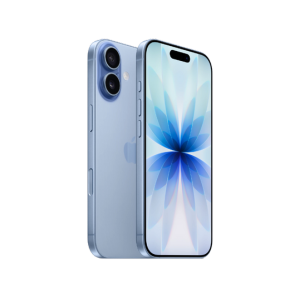
iPhone 17
Price comparison shopping
To find the best prices on iPhones, it pays to check for Apple iPhone deals offered by wireless carriers in your area. From BOGO promotions to free phones with eligible trades, there are a variety of sales that can save you money. Below are easy ways to view the limited-time promotions at leading wireless providers. Please be sure to check the terms and conditions pertaining to each offer on the specific retailer's website.
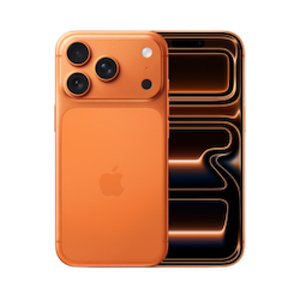
iPhone 17 Pro
iPhone accessory coupons
While coupons typically don't exist on the phones themselves, there are a number of promotional code discounts available on accessories. Below is a roundup of the best accessory deals on iPhone cases and chargers:
- Courant: 20% off with promo code APINSIDER20
- Grovemade: 10% off sitewide for new customers with coupon code AppleInsider
Which iPhone should I buy?
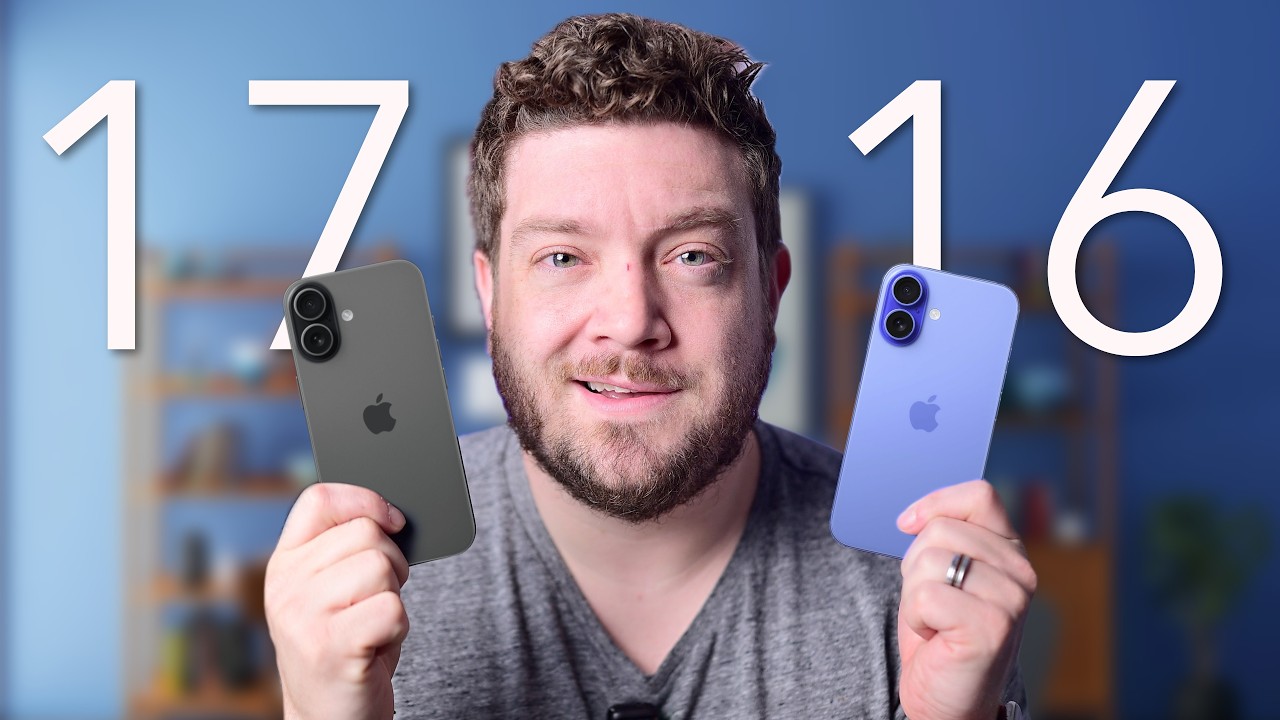
When choosing your next phone, you likely have a few ideas in mind already about what your priority is. Apple has the most complex phone lineup they've ever had, and it can be difficult to make a choice based on price or specs alone. Here we break down each device series, and what standout features might drive you to that particular model to help choose between the best iPhone deals.
iPhone 17 Pro and iPhone 17 Pro Max
Apple's 2025 flagships are rethought with a unibody aluminum chassis, large camera bar, and Ceramic Shield 2 plate for MagSafe passthrough. The iPhone 17 Pro and iPhone 17 Pro Max have better processors, vapor chamber cooling, and an incredible 48MP 4x Telephoto camera.
 iPhone 17 Pro Max
It was important to differentiate the iPhone Air and iPhone 17 Pro line, so Apple rethought the entire device. This is a more rugged build aimed at pro use cases, much more so than previous prosumer-targeted devices.
Each of the three rear cameras are 48MP and are capable of taking binned "optical like" photos, which Apple says is like having 8 cameras in 3. The selfie camera is also improved with the Center Stage square sensor that can capture portrait and landscape videos without rotating the device.
The vapor chamber cooling also ensures no matter how long a 4K video you're recording, or how detailed the video game you're playing, the iPhone stays cool. It helps dissipate heat through the aluminum frame instead of concentrating it on the outer edge.
Get the iPhone 17 Pro starting at $1,099 or the iPhone 17 Pro Max starting at $1,199 with 256GB of storage.
iPhone Air
The iPhone Air is a significant departure from standard iPhone design with a single camera, ultra-thin design, and titanium frame. It isn't a standard iPhone nor is it a pro one, but a new alternative for premium shoppers.
 iPhone Air
It has the A19 Pro chipset, but lacks a GPU core versus the pro phones, and the single 48MP camera isn't pro-grade either. The battery life is closer to a standard iPhone 16 than an iPhone Plus due to its thinness and in spite of the larger display size.
Apple built the iPhone Air to be super durable with the titanium frame. It's unbendable, at least by human hands. There's also the Ceramic Shield 2 on the front and back with 3x scratch resistance.
This is an iPhone pitched more for aesthetics than function, but it is still a powerful and performant device. Add an iPhone Air MagSafe Battery for up to 40 hours of video viewing time.
Get the iPhone Air starting at $999 with 256GB of storage.
iPhone 17
Apple's iPhone 17 has a slightly larger always-on ProMotion display, longer battery life, and the upgraded Center Stage selfie camera. When compared to the other iPhones available, it's an excellent entry option that maxes out bang for the buck.
 iPhone 17
The stronger Ceramic Shield 2 on the front for 3 times the scratch resistance compared to previous models. The 120Hz ProMotion display is a big finally for standard iPhone users, who have been using the 60Hz display for years.
The Center Stage selfie camera is one of the biggest reasons to upgrade as it captures portrait or landscape photos without needing to rotate the iPhone. It also enables the ability to record video with both the front and back camera at the same time.
The iPhone 17 starts at $799 at 256GB of storage.
iPhone 16e
In February 2025, Apple introduced a new product called the iPhone 16e. It isn't the iPhone SE 4, but instead a more premium device that comes in under the base iPhone 16 price.
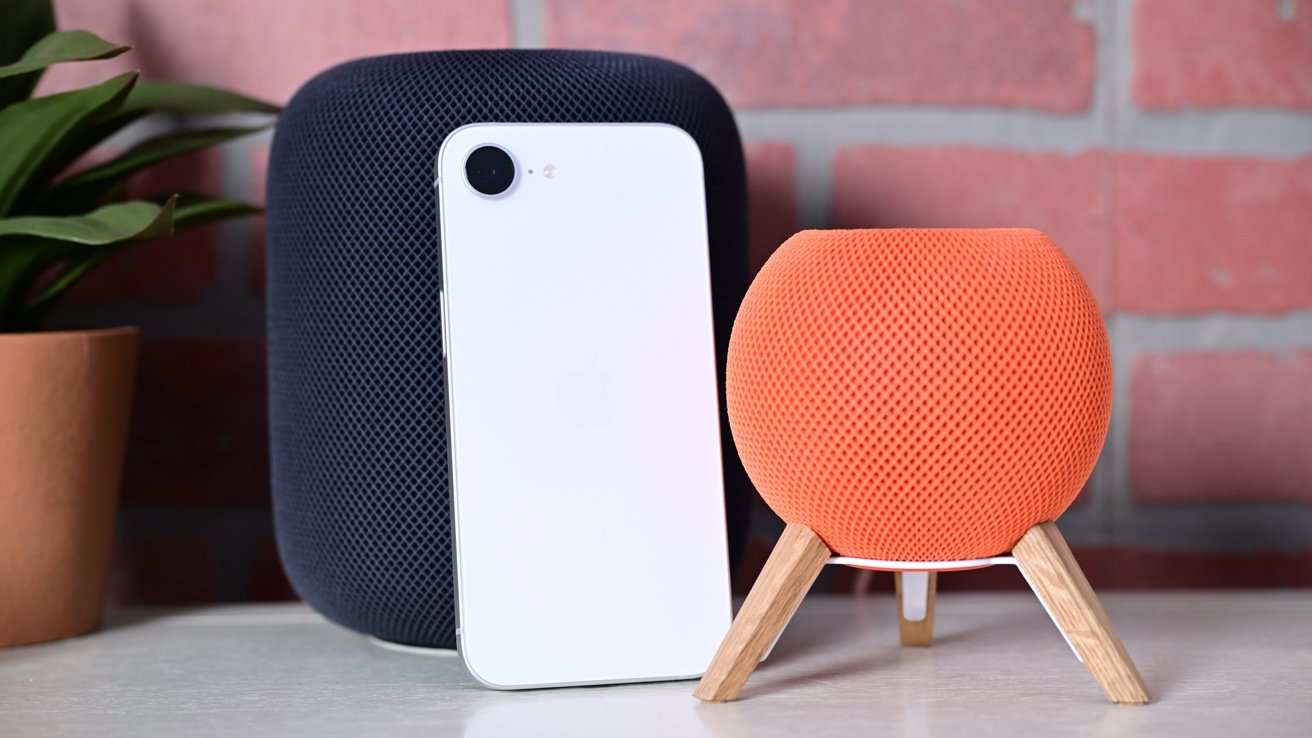 iPhone 16e takes over as Apple's new budget model
The single 48MP Main Camera, USB-C port, and display with a notch mark it as a totally different device from the iPhone SE 3 it replaced. Apple ensured it had access to Apple Intelligence by including the A18 processor.
The device is meant to act as an entry option for customers, so it cut out a few more modern features. It has an Action button, but no Camera Control, and it lacks MagSafe or the Dynamic Island.
Get the iPhone 16e starting at $599. It is available in white or black with 128GB to start and options for 256GB or 512GB of storage.
iPhone 16 Pro and iPhone 16 Pro Max
The iPhone 16 Pro and iPhone 16 Pro Max were identical in feature set minus display size and battery life. Camera Control, reversible Photographic Styles, and a 48MP Ultra Wide camera made this generation have a big focus on photography.
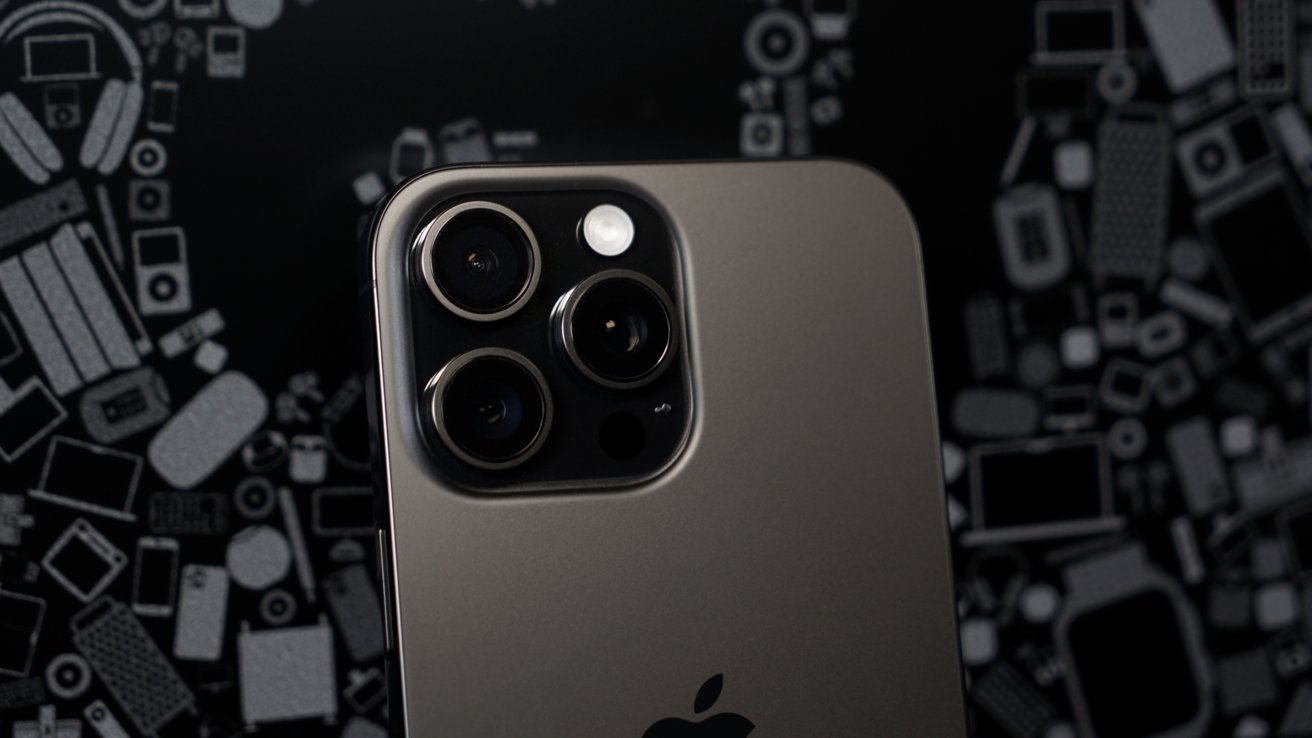 iPhone 16 Pro Max offers more power, better photography
It was sold in Black Titanium, White Titanium, Natural Titanium and Desert Titanium, with storage options of 256GB, 512GB and 1TB. The iPhone 16 Pro has an additional storage capacity choice of 128GB.
Both options feature a Super Retina XDR display and the A18 Pro chip with a new 6‑core CPU with 2 performance and 4 efficiency cores. It also has a new 6‑core GPU and new 16‑core Neural Engine.
Prices for the iPhone 16 Pro started at $999, while the Pro Max started at $1,199. They can be found heavily discounted, used, or refurbished.
iPhone 16 and iPhone 16 Plus
Even though the iPhone 16 and iPhone 16 Plus are the lower-end models in 2024, they got many of the same upgrades as the pro iPhones. Apple Intelligence is also included thanks to the A18 processor.
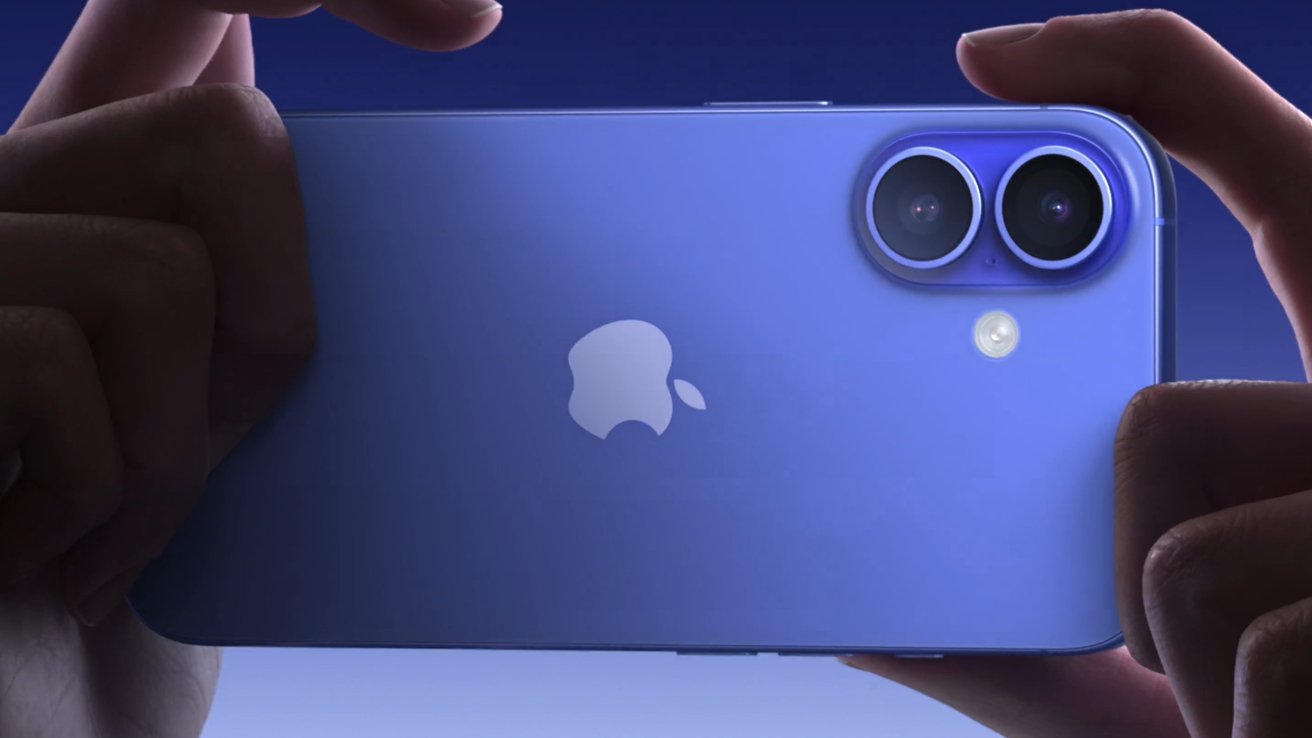 iPhone 16 comes in a new ultramarine color
Camera Control provides a new option for framing and taking photos, while the faster processor is better for gaming and battery life.
They are available in ultramarine, teal, pink, white, and black. Storage options include 128GB, 256GB, and 512GB.
Prices for the iPhone 16 started at $799 and iPhone 16 Plus started at $899 when they were sold new. They can still be found at a discount or refurbished at some retailers.
iPhone 15 Pro and iPhone 15 Pro Max
The iPhone 15 Pro and iPhone 15 Pro Max share most of the same features minus one — the larger 6.7-inch Pro Max model has a 120mm tetraprism lens. That camera is equivalent to a 5x zoom from the Main Camera, replacing the previous 3x zoom still present on the 6.1-inch Pro model.
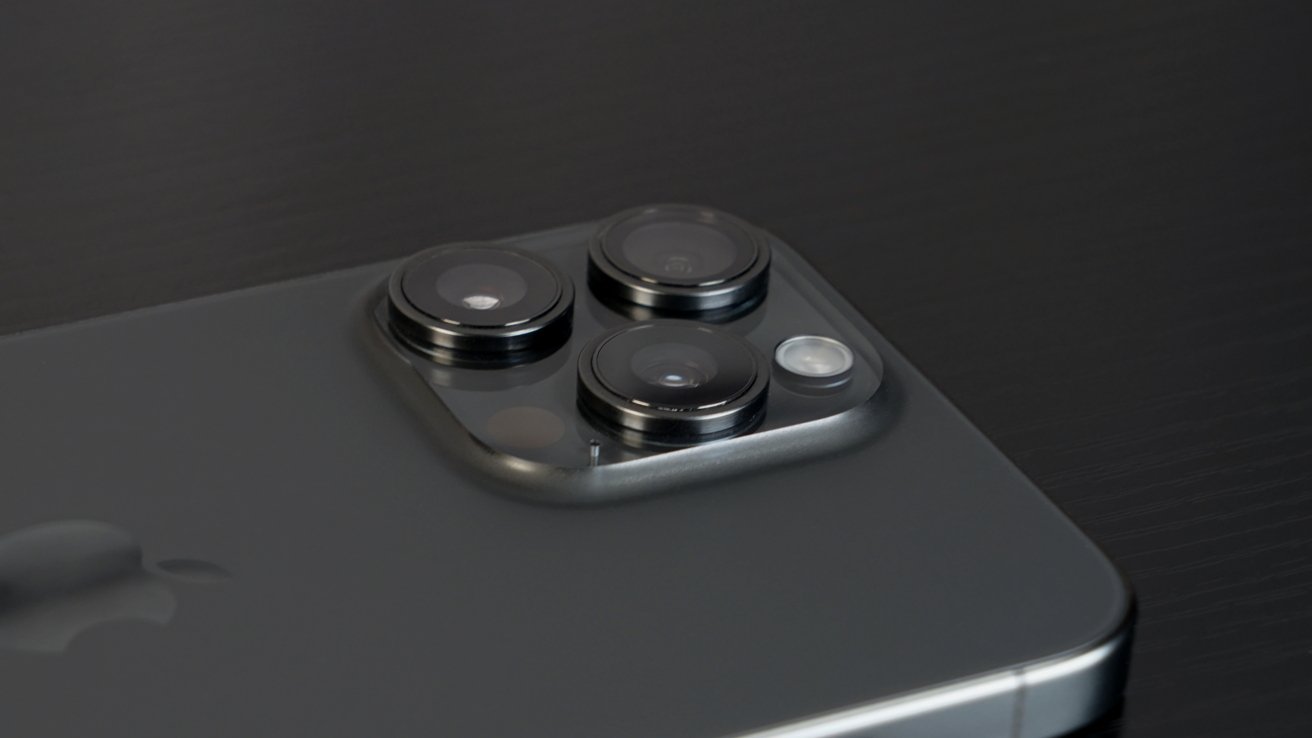 Zoom closer than ever with a 120mm tetraprism lens
Apple's A17 Pro processor is the first built on the 3nm process and benefits from features like hardware ray tracing. Gaming performance is improved alongside other general speed boosts.
The external frame is built with titanium instead of stainless steel, which makes the device much lighter to hold compared to previous pros. The Lightning port has been traded for a USB 3.0 Type-C port, plus there's the Action button that replaced the mute switch.
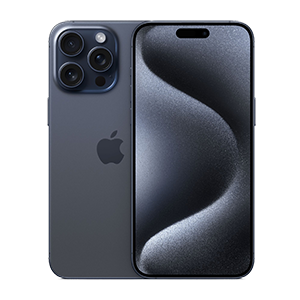
iPhone 15 Pro Max
The always-on display shows a dimmed version of the wallpaper, the clock, widgets, and Live Activities. It is slowed to 1Hz to keep battery consumption to a minimum, and the display only turns off completely when face down or in a pocket.
Apple added more camera options to the Main Camera to allow users to choose between 24mm, 28mm, and 35mm focal lengths. Capture higher dynamic range photos at 24MP photos with the new higher default resolution setting.
The iPhone 15 Pro started at $999 for 128GB of storage, while the iPhone 15 Pro Max started at $1,199 with 256GB of storage when they were sold new. They come in four colors: black, white, blue, and natural titanium.
iPhone 15 and iPhone 15 Plus
The standard iPhone 15 and iPhone 15 Plus are still decent options in 2025 and can be found at heavy discounts. They run the latest version of iOS, but lack access to Apple Intelligence.
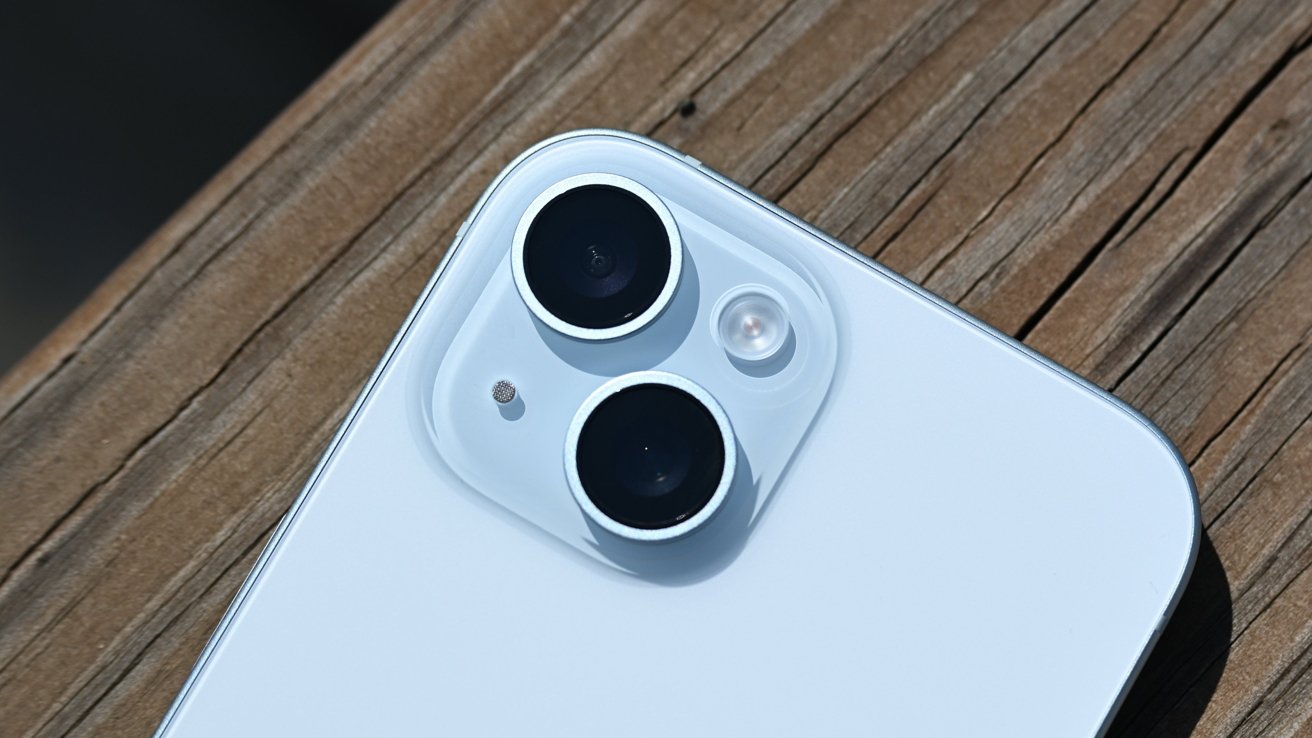 iPhone 15 has a 48MP Main Camera
The Main Camera has a 48MP sensor that captures high-contrast 24MP images.
This is also the first iPhone with USB-C, so upgrading will get you the more universal port, versus Lightning. It is a USB-2.0 port, so don't expect to use it for heavy data transfer.
The iPhone 15 started at $799 for 128GB storage, while the iPhone 15 Plus started at $899 when it launched. The price whittles down substantially with the best iPad deals and incentives at the top of this page.


