The Federal Trade Commission is forcing Amazon to hand over $2.5 billion in total, with $1.5 billion going to consumers that were lured into deceptive Prime signups.
On September 25, 2025, Amazon agreed to pay $1 billion in civil penalties and $1.5 billion in consumer refunds. The settlement was approved unanimously by the Federal Trade Commission.
It was filed in the U.S. District Court for the Western District of Washington. As part of the deal, Amazon has to overhaul how customers sign up for and cancel Prime.
Amazon issued a statement on the matter, after the announcement.
"Amazon and our executives have always followed the law and this settlement allows us to move forward and focus on innovating for customers. We work incredibly hard to make it clear and simple for customers to both sign up or cancel their Prime membership, and to offer substantial value for our many millions of loyal Prime members around the world," Amazon spokesperson Mark Blafkin told AppleInsider and other venues. "We will continue to do so, and look forward to what we'll deliver for Prime members in the coming years."
How the case unfolded
The FTC claimed that Amazon designed deceptive interfaces that pushed people into Prime without clear consent. Once they signed up, canceling was a maze of confusing menus and hidden options, which the agency argued was intentional.
Amazon's emails confirmed the allegations. Executives called their subscription tactics "shady" and the outcome "unspoken cancer." Regulators found the company knew what it was doing.
FTC Chairman Andrew N. Ferguson said the decision sends a clear message. He explained that Amazon used sophisticated subscription traps to manipulate people into signing up for Prime and then made it extremely difficult to cancel.
Ferguson said the settlement will put billions of dollars back in Americans' pockets. He added that the action ensures Amazon won't repeat these tactics.
What Amazon has been ordered to change
According to the FTC, the settlement also forces Amazon to rebuild its Prime enrollment system from the ground up. It now has to include a clear "Decline Prime" button instead of misleading phrases like "No, I don't want Free Shipping."
Prime signups now have to clearly show the cost, how often charges occur, whether the plan auto-renews, and how to cancel before you pay. These basics, once buried in fine print or skipped entirely, are now mandatory.
Canceling should be as simple as signing up. If someone joined with a single click, they should be able to cancel easily, without hidden menus or tricks.
Amazon will pay for an independent third-party supervisor to make sure refunds are distributed correctly. The supervisor will also check that the new system works as promised.
The case is significant for both its massive dollar figure and its wide impact. According to the FTC, roughly 35 million people were hit with unwanted Prime signups or delayed cancellations.
In the afternoon statement to AppleInsider, Amazon says that the changes that the FTC laid out on Thursday have already been made, and many of them were made years ago. They also said that the settlement without any admission of guilt was made not have to deal with the trial and perhaps years of appeals.
The stakes for consumers
The FTC called the $1.5 billion in refunds the second-largest in its history. It also marks one of the broadest restitution efforts ever for online consumers.
Cases like this are rare, since the FTC has only brought three under the Restore Online Shoppers' Confidence Act. This one is the largest penalty the agency has ever issued under that law. Amazon now stands out in a way no company would want.
Lawmakers, consumer-protection groups, and researchers have long warned about "dark patterns," user interfaces designed to trick people into costly subscriptions. The FTC's 2022 report flagged practices that hide cancellation or bury renewal terms as a key example.
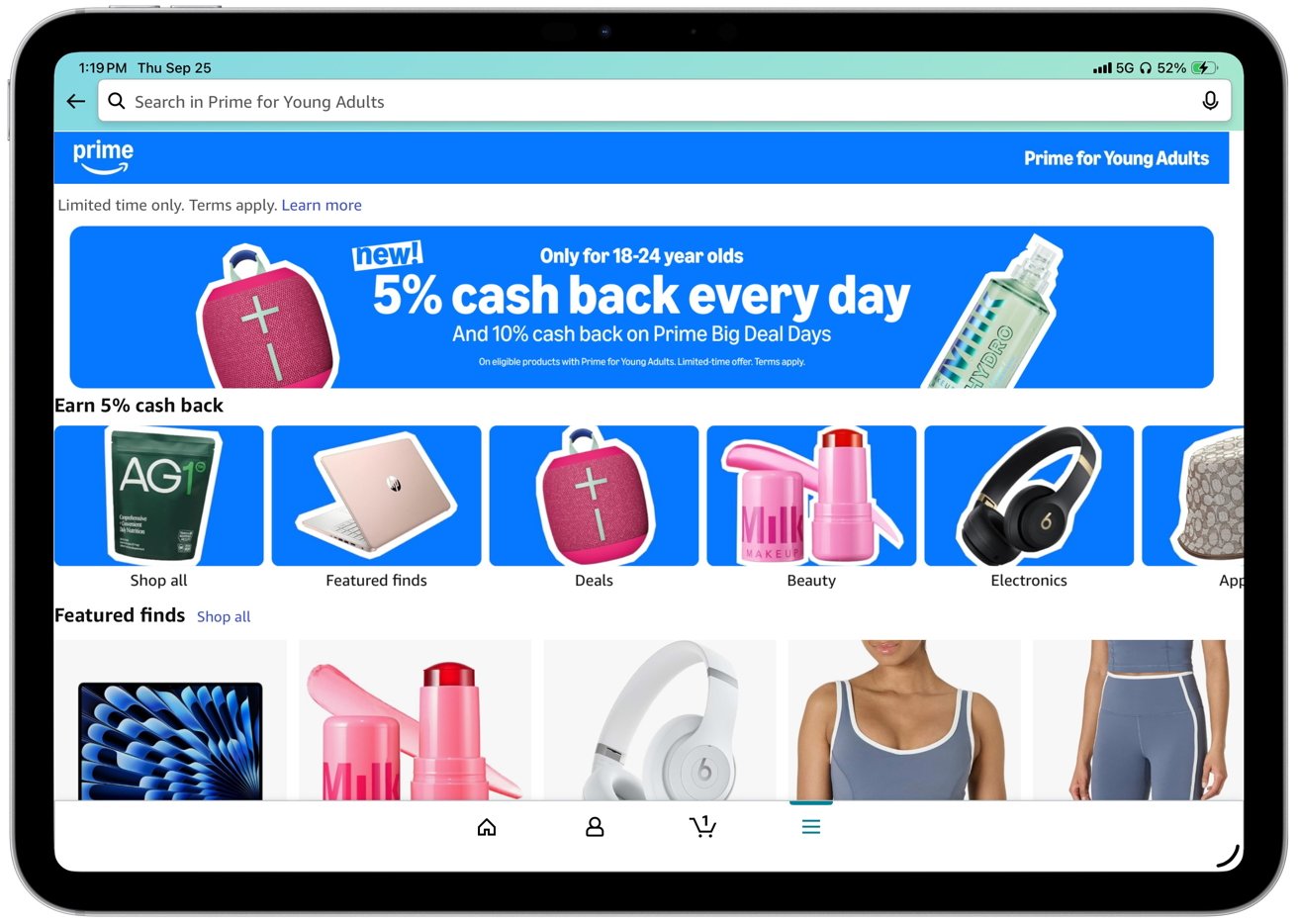
Amazon Prime offerings
It's also been studied in academia — the "Roach Motel" design (easy in, hard out) has been documented across websites in multiple countries.
The bigger picture
Amazon Prime has been a cornerstone of the company's business since its launch in 2005. The service, now used by well over 200 million people worldwide, drives shopping habits by tying fast shipping to recurring fees.
Consumers who stay subscribed are more likely to buy more, more often. That incentive explains why Amazon fought to make cancellation so painful.
But the settlement shows regulators are no longer willing to let "dark patterns" run unchecked. The outcome suggests other companies relying on similar tricks might be next in line.
The $2.5 billion settlement is a major financial blow for Amazon. The bigger question is whether the company will actually change how it handles Prime subscriptions.
Regulators have made the expectations clear, and the industry will be watching closely to see if Amazon follows through.
For once, the message is simple. If a service is worth paying for, people will stick around without being trapped. If it isn't, tricks shouldn't be enough to keep them subscribed.
Update September 25 4:02 PM ET Updated with a quote from Amazon, and further details about when the changes that the FTC must be made, were actually made.