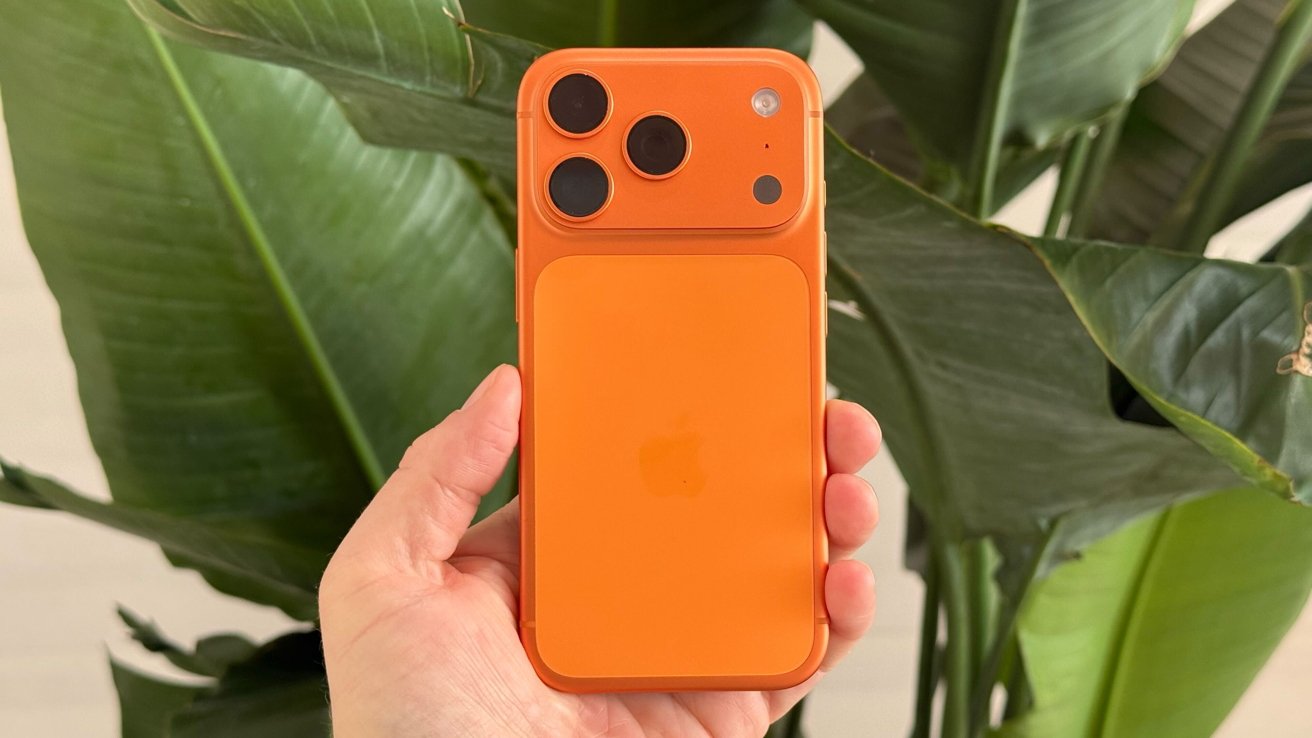
A new teardown confirms Apple killed the SIM tray in the iPhone 17 lineup, using the space to pack in bigger batteries.
The shift shows Apple squeezing every bit of space out of its devices while pushing more people into an eSIM-only future. Teardowns confirm it's not cosmetic.
Earlier U.S. models had a plastic filler where the slot used to be. Now, Apple uses that space for extra battery cells.
Repair videos and European energy labels reveal exact figures across the lineup. The iPhone 17 Pro Max tops the list with 5,088 mAh, up 8.6% from 2024's iPhone 16 Pro Max.

The iPhone 17 Pro comes in at 4,252 mAh, a jump of nearly 19% over the iPhone 16 Pro. Even the standard iPhone 17 and the new iPhone Air get upgrades, with 3,692 mAh and 3,149 mAh respectively.
All iPhone 17 models sold in the U.S., Canada, Japan, Mexico, Saudi Arabia, and the United Arab Emirates now ship without SIM trays. That makes eSIM-only devices the default in most of Apple's major markets.
Europe still gets some SIM-equipped versions, but the direction is clear.
Apple's move is about both control and design. The eSIM ties customers more tightly to carriers and Apple's activation system, limiting the gray-market trade in international SIMs.
It also removes a mechanical slot from a company obsessed with shaving down components. Travelers and multi-line users now need workarounds, which are rarely as cheap or simple as grabbing a prepaid SIM at an airport kiosk.
What history tells us
Apple is betting that longer battery life and slimmer devices will outweigh the hassle.
Apple has made a habit of killing off hardware features in the name of progress. The iPhone headphone jack disappeared in 2016. Optical drives vanished from MacBooks even earlier.
Each time, protests flared, then faded as the market adjusted. The SIM card looks destined for the same fate.
Rivals like Samsung still keep it in some markets, but industry pressure to follow Apple tends to win. For carriers, it means stronger customer lock-in. For users, it's one less piece of plastic to keep track of.
The iPhone 17 teardown shows Apple is still finding ways to reclaim space once reserved for legacy parts. The end of the SIM tray buys you more screen time but locks you into an eSIM-only world.