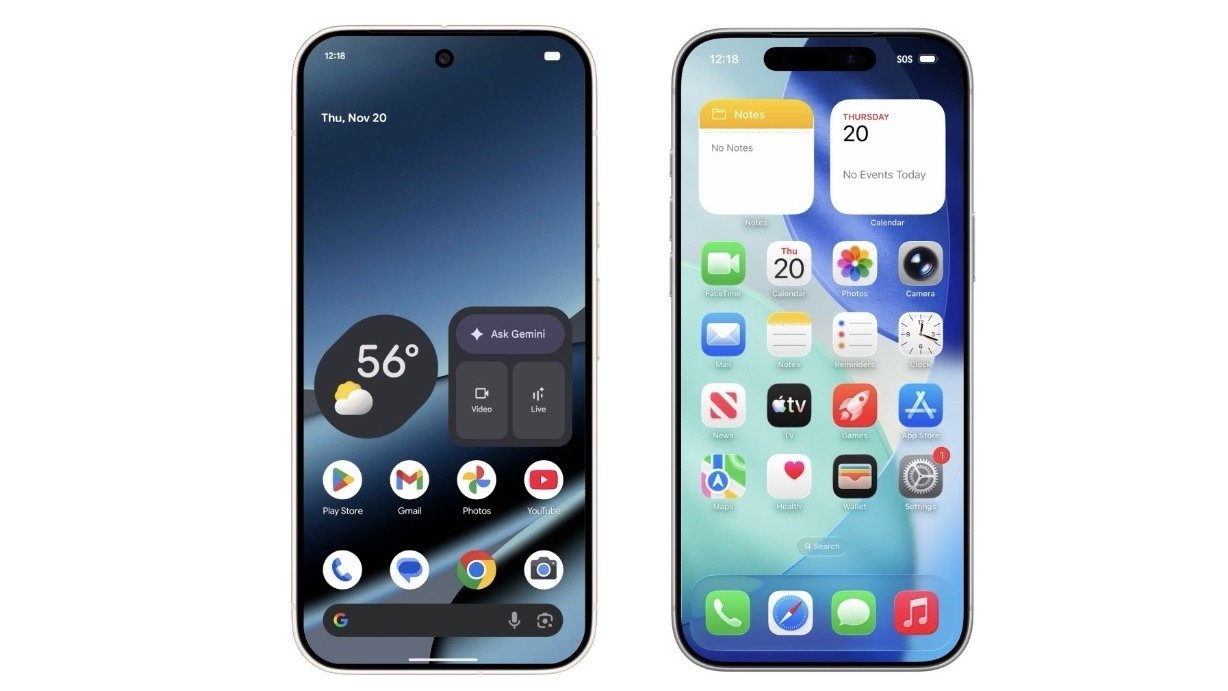
A new Android update lets Pixel 10 users send files to iPhone through Quick Share without the usual workarounds. Here's how it works.
Google started rolling out the feature on November 20, 2025 as a response to years of complaints. The update improves interaction between Android and Apple devices in mixed-device environments.
It also gives Pixel users a smoother way to move photos, videos, and documents without relying on cloud drives or messaging apps. Many households use a mix of Android and Apple products, and they often run into friction during tasks.
Google says users shared steady feedback about awkward transfers that disrupted everyday moments. The company described the new capability as a practical improvement for people who just want their devices to cooperate.
How the new sharing works
The feature is available on the Pixel 10, Pixel 10 Pro, Pixel 10 Pro XL, and Pixel 10 Fold. These devices can now detect Apple hardware through the Quick Share panel, which appears in the system-wide Share menu.
When an iPhone, iPad, or Mac is nearby, the Android user can select Quick Share and choose the Apple device from the list. The Apple user needs to switch AirDrop visibility to "Everyone for 10 minutes."
In 2023, Apple introduced a setting that creates a temporary window for device transfers. The feature minimizes the time the device remains openly visible.
Bluetooth handles the initial discovery, and the devices switch to a direct WiFi link for the actual transfer. The file stays local and never passes through external servers.
Transfer behavior is similar to AirDrop, and small photos finish quickly. Larger videos depend on local WiFi conditions, and no accounts, cables, or extra apps are needed.
Device support and rollout limits
The update is limited to the Pixel 10 family, and Google hasn't shared a specific timeline for additional Android devices. The company says it plans to expand support over time.
Apple didn't need to update its hardware for this to work. AirDrop already supports the temporary visibility mode that Quick Share relies on.
The company usually moves carefully when introducing cross-platform features. A gradual expansion seems likely, especially those interacting with Apple's ecosystem.
The narrow rollout creates a patchwork, with some Android users gaining a fast tool. Others continue using older approaches, but this may change as more manufacturers adopt the feature.
Why Google made the change
Quick Share grew out of Nearby Share, which Google launched in 2020. Nearby Share aimed to solve the long-standing challenge of device-to-device transfers within the Android ecosystem.
It worked reliably for Android users but didn't address the common issue of mixed-device households.
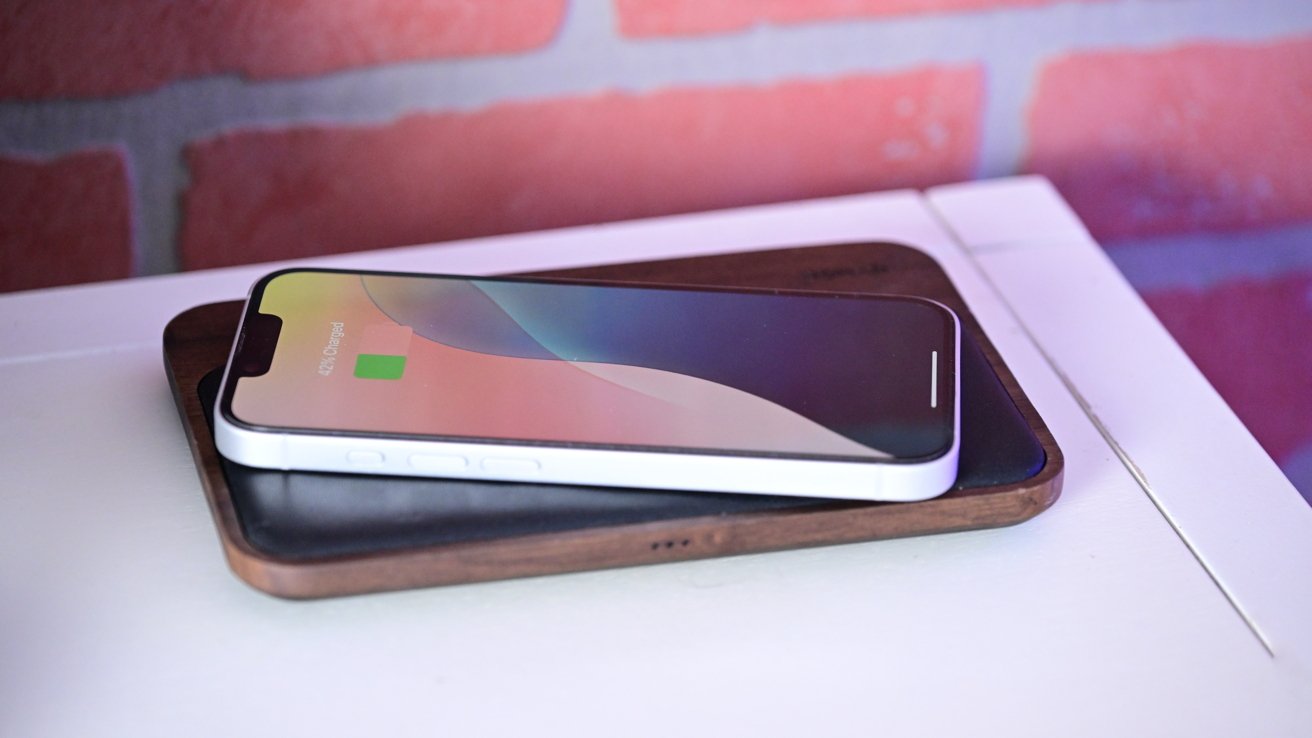
Apple users can now send files to Android users with AirDrop and Quick Share
Google highlighted that users want fast, familiar tools without complicated settings or extra apps. Cross-platform compatibility was a top request, especially for Pixel users who often interact with iPhone owners.
Benefits for everyday users
Everyday sharing feels much smoother when both devices cooperate. A Pixel 10 user can easily pass vacation photos to an iPhone owner.
Parents can also move school documents to their children's iPhones with less hassle. Coworkers using a Pixel 10 Pro can easily transfer design files to a MacBook with one tap. These small improvements make a big difference during a hectic day.
Local transfers reduce waiting by using the fastest nearby connection instead of relying on inconsistent internet speeds. That's especially beneficial for large videos or high-resolution images that take longer to send through other services.
Users who conserve mobile data also benefit since the process avoids cloud uploads.
Privacy is enhanced when files remain on the local network, reducing exposure to risks. Google emphasized the security layers in Quick Share for safe cross-platform transfers.
What still needs work
Switching AirDrop to "Everyone for 10 minutes" adds some friction. Many people keep their settings locked and might not adjust them while accepting a file.
The temporary visibility mode supports privacy but introduces an extra step, interrupting the otherwise straightforward flow of sharing files. A narrow rollout leaves many Android owners waiting.
Google hasn't confirmed support for older Pixel models yet. Broader adoption likely depends on how quickly manufacturers enable the feature.
Apple hasn't introduced broader AirDrop support for Android devices. However, each company has proven open to steps that improve daily usability.