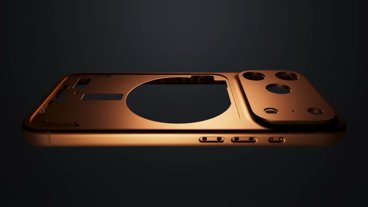
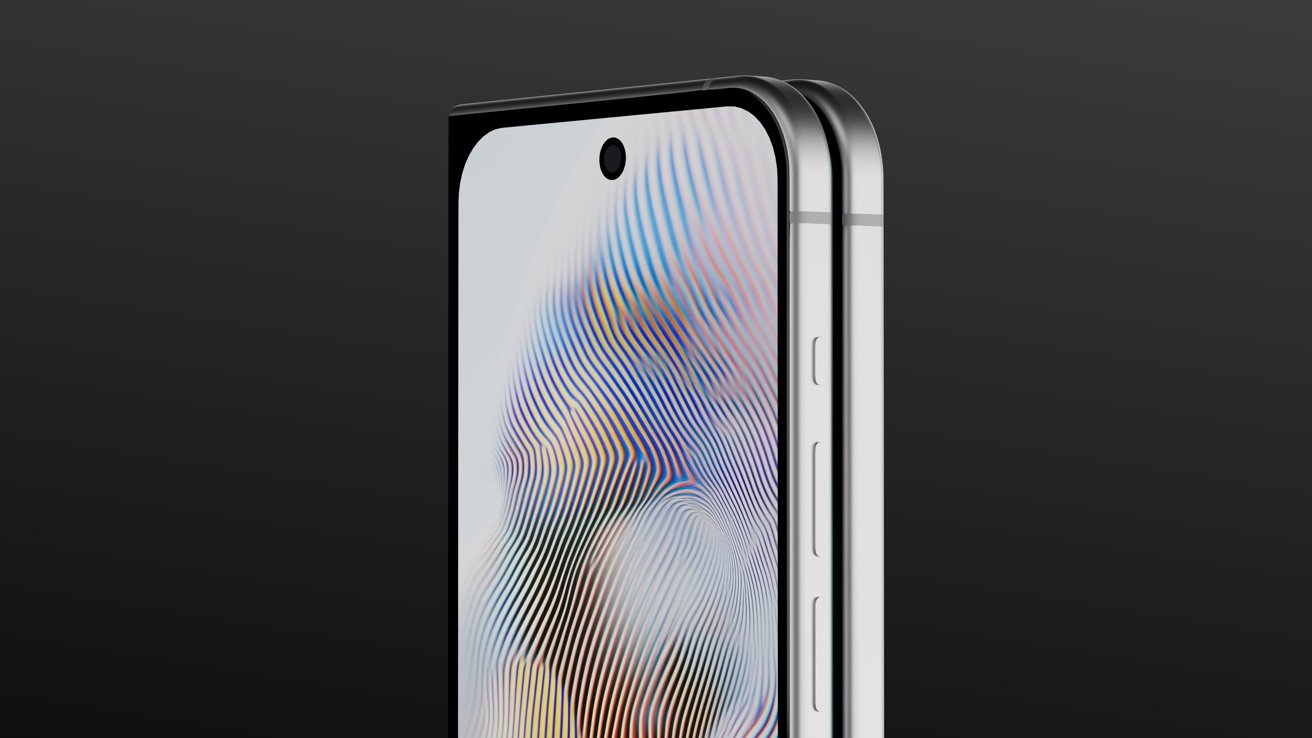
Apple is approaching foldables as a materials problem by focusing on how the iPhone Fold display handles stress with adhesive layers rather than how other companies deal with the hinge.
Foldables have been available for years, yet the crease continues to be the main compromise that distinguishes them from traditional smartphones. Initially, designs concentrated on hinges, support plates, and mechanical tension systems to flatten the display.
These methods enhanced durability, but they never fully eliminated deformation. According to industry research from TrendForce, a new approach is emerging that treats the display as a layered system.
Creases form because stress concentrates at the bend point, not just because the display folds. Repeated bending shifts the neutral layer inside the display stack, creating localized strain and micro-deformation that eventually becomes visible.
The result is the familiar line that develops across the screen over time. Hinges can spread out force, but they can't control how stress moves through the materials themselves.
Multiple generations of foldables still crease despite sophisticated hinge designs. Hardware refinements reduced creasing severity but didn't address how layered materials respond to repeated stress.
Why adhesive layers are becoming the real solution
Optically clear adhesive, or OCA, has long been used as a glue layer that holds the display together while staying transparent. Engineers now design that layer to do more than just bond components.
Newer versions of OCA, according to the TrendForce report, behave more like a flexible cushion. During normal folding, the material stays soft and spreads stress across the display, which helps prevent wear from building up in one spot over time.
The same material can also react to sudden pressure, stiffening when needed to provide support at the bend point and maintain the display's shape under force.

An example of optically clear adhesive glue in an applicator
OCA also shifts slightly at a microscopic level as the device ages. Movement of the material fills in tiny imperfections which reduces how much light scatters across the fold and makes creases less noticeable.
Manufacturers now prioritize controlling material behavior inside displays, managing each layer's bending, stretching, and recovery. The result is a stress-distributed panel that avoids concentration along a single fold line.
Apple's materials-first strategy for foldables
Apple's patents describe variable thickness glass and material strategies designed to better manage stress across the display. Thinner regions at the fold improve flexibility, while thicker areas away from the bend maintain durability.
The design points to controlled deformation across the panel rather than relying on structural resistance alone. Apple typically enters product categories after key technical constraints have been reduced, and foldables appear to be approaching that point.
Prioritizing durability and consistency over early adoption could reduce expectations if crease visibility is meaningfully reduced. Material improvements also directly affect long-term panel fatigue, a major concern with foldable devices.
The foldable market has focused on visible and marketable hinges, but the most significant progress is happening inside the display stack. Advancements in adhesive engineering and stress management improve these devices' durability.