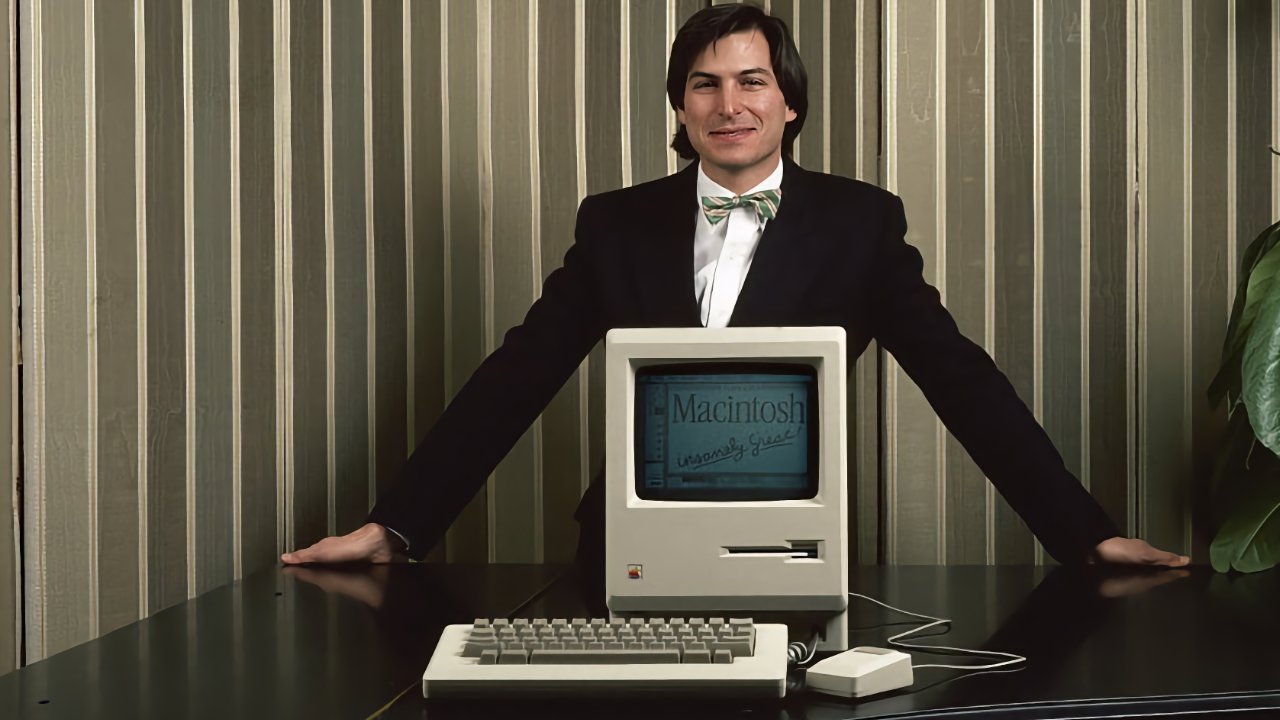
There's plenty to like, admire, and definitely dislike about Steve Jobs, but he did an incredible job saving Apple, and will forever be treated like a rock star.
The greatest thing that Gil Amelio, Apple's fifth CEO, ever did was pave the way for Steve Jobs to become its sixth. It was great for Apple, it was great for users, but it was probably horrible for Amelio himself.
That's because what he did was have Apple acquire Steve Jobs's failed NeXT firm. As part of that acquisition he got Jobs as no more than an advisor.
He must surely have guessed that Jobs wanted more. When Amelio was just a board member, Jobs had asked him to support an ousting of the then-CEO. Jobs wanted Amelio's backing to take over the company.
Jobs didn't get it then, and he didn't get it when Amelio later bought NeXT. But by then, Jobs was both savvy enough about business, and popular enough with Apple staff, that he didn't need anyone's help to take over.
He just needed some time and a bit of leverage.
Apple bought NeXT for about $400 million and it was specifically so it could base the next Mac OS on that firm's NeXTStep operating system. NeXT had brilliant software and excellent hardware, but it had failed at both and was going nowhere.
So maybe being bought by Apple was a lifeline. Or maybe it was the plan all along.
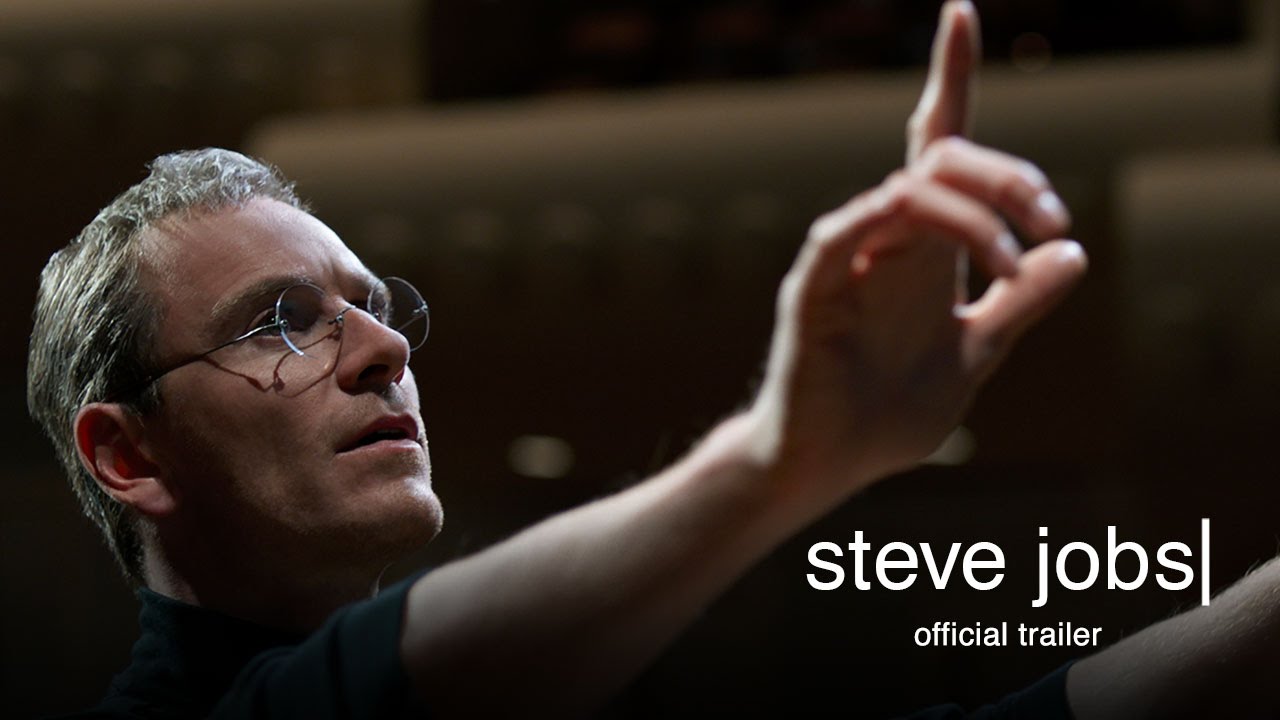
As presented in Aaron Sorkin's "Steve Jobs" film, it's possible that Steve Jobs had being acquired by Apple in mind the whole time. For all its strengths, that film is not noted for its accuracy, but it's a possibility that fits with Jobs having gone to Amelio.
Yet speaking about his return much later, Jobs made it sound like the whole thing was unexpected and perhaps even unwanted.
"When I was trying to decide whether to come back to Apple or not I struggled. I talked to a lot of people and got a lot of opinions," Jobs said in 2001. "And then there I was, late one night, struggling with this and I called up a friend of mine at 2am."
"I said, 'should I come back, should I not?' and the friend replied, 'Steve, look. I don't give a f*ck about Apple. Just make up your mind' and hung up," continued Jobs. "It was in that moment that I realized I truly cared about Apple."
People change their minds, people misremember details, and people lie. Gil Amelio would probably presume the latter in Steve Jobs's case, because Jobs allegedly did lie to him.
As part of that deal to buy NeXT, Steve Jobs was personally give shares in Apple, on the promise that he wouldn't sell them. Shortly afterwards, just about exactly that number of shares were sold and despite Amelio and the industry suspecting it was Jobs, he denied it.
But later, legal and financial reporting laws meant the seller was identified and it was Jobs. The move was seemingly part of his signalling to investors that Apple was not a good buy, and that was something he knew would be heard by the company's board.
It wasn't a simple series of steps, and there was much more involved than we may ever know, but Jobs worked steadily to make sure that Amelio was fired.
Once the board fired Amelio, it needed a new CEO and, oh look, here's one. Here's a man who knows Apple more than anyone, and has been the CEO of NeXT, which was a huge corporation.
Jobs gets the job
Yet reportedly, Steve Jobs did not lobby to become CEO, and he even asked to not be considered for the role. He asked to be involved in choosing Amelio's replacement.
It's hard to be sure of his plan, or even whether he truly had one or was just lurching from opportunity to opportunity. But if you want a job, sometimes the last thing you should do is be visibly keen to get it.
Especially if you are already in a situation where you might as well have the role because you are already taking on all of the responsibility. Certainly from the time that Amelio left, and maybe even earlier, Apple was being run by Steve Jobs.
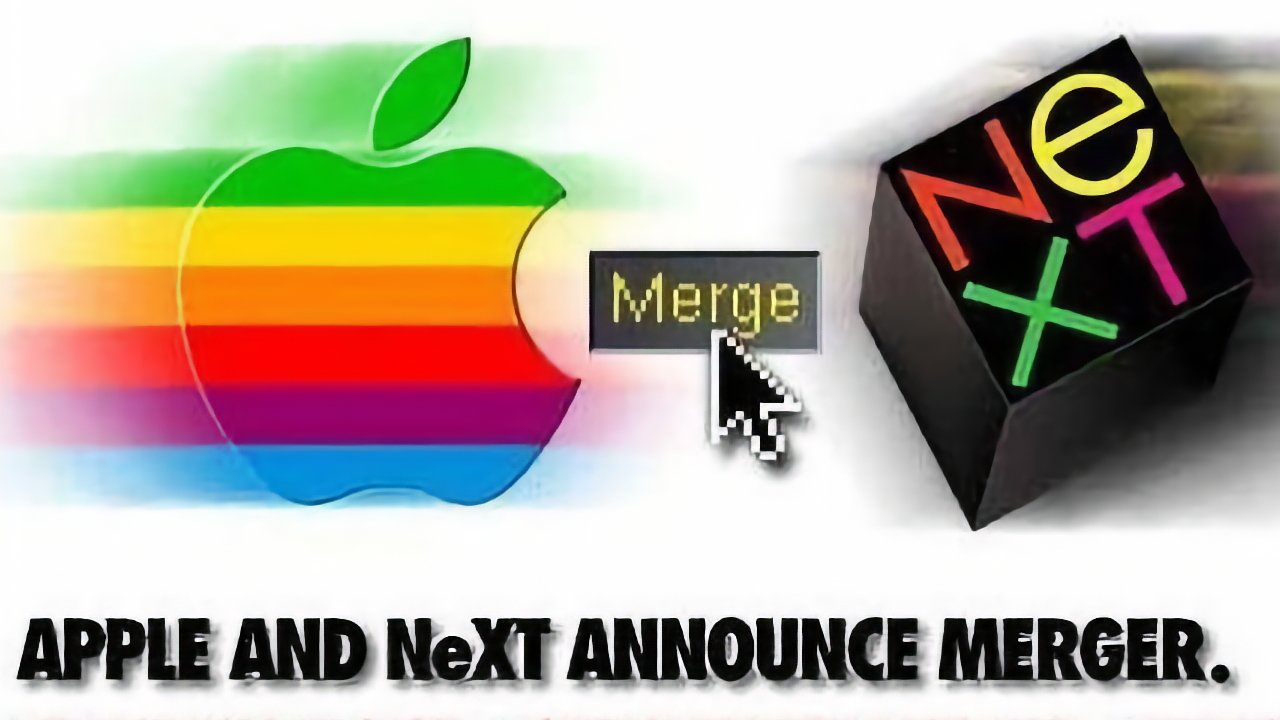
Apple called it buying NeXT, but NeXT claimed it was a merger - image credit: NeXT
It was also being staffed by him, as he put many ex-NeXT people into key roles. That must have stung existing Apple employees, especially since 3,000 of them were laid off in the February after Jobs returned.
In September 1997, Steve Jobs declared himself the interim CEO, the iCEO. He would stay as that until Macworld Expo in 2000, which is when he formally announced having become Apple's proper CEO.
Getting to work
He didn't wait for any title, though, as he immediately got to work trying to bring Apple back from the brink of financial ruin. You can argue that he was petty in cancelling projects like the Newton, but he was also doing it from necessity.
Apple was 90 days or so away from bankruptcy, and the steps Jobs took are the only reason the company survived that time. That includes the then shocking deal he made with Microsoft's Bill Gates.
That deal is usually presented as being how Microsoft saved Apple. Bill Gates agreed to invest $150 million in Apple, and to develop Microsoft Office for Mac for the following five years.
It is true that Apple needed this. It also needed to be free of the costly litigation that was going on between it and Microsoft over how Windows was copying the Mac.
Jobs must have seen that Apple was not going to win that fight, even if it should have, so he let it go in order to cut that expense. Separately, Microsoft was in trouble with the Department of Justice, though, over being allegedly a monopoly.

By having a Mac version of Office as well as the Windows one, Microsoft could and did make the case that was competing like any other firm.
So it was a win/win for Apple and Microsoft, it was a win/win for Steve Jobs and Bill Gates. But at this time, Mac users and Window users were oil and water, and having the Apple founder appear to bow to the maker of Windows, was not popular.
Jobs could've thought ahead about the optics of it all, too. Gates did not come to the event, which was one bad point, and he did a video call instead, which proved to be a worse one.
Bill Gates appeared on an enormous screen, totally dominating the stage and sending every signal possible that Windows was king. He spoke briefly, but the visuals were the thing.
That did make it look as if Apple was over. That it might continue without going bankrupt, but maybe it would never be the same Apple again.
Never the same Apple
It was never the same again. It was better.
Jony Ive was promoted to Senior Vice President of Industrial Design, and by 1998 he had created the iMac. You can point to several devices that saved Apple, including the iPod and the iPhone, but the first one was the iMac.
That was released on May 6, 1998, and it came with a new focus. "Even though this is a full-blooded Macintosh," said Jobs at its launch, "we are targeting this for the #1 use consumers tell us they want a computer for, which is to get on the Internet, simply and fast."
But Apple was also focusing on something else. "Apple will be working on strengthening its brand name," Jobs told a financial site when the iMac launched. He specifically compared Apple to Nike, Disney and Sony, and that focus worked.
We know that now because of how incredibly well known the Apple brand is. But while that took time, Apple made it seem inexorable. By 2017, Interbrand named Apple the year's most valuable brand, for the fifth year in a row.
That was more significant than perhaps it seems, and it was certainly more important than rival technology firms thought. What the iMac brought was a concentration on what users would use it for, rather than what great technology it could have.

If any one thing describes Apple, both under Steve Jobs and later, it's this. That design is more than what something looks like, it is how it is used.
"The one thing Apple's providing now is leadership in colors," Bill Gates said of the iMac, entirely missing the point. "It won't take long for us to catch up with that, I don't think."
It says a lot that Gates, head of the practically totally dominant Windows firm, was even asked to comment about Apple at this point. It says a lot, too, that he meant it about catching up.
Microsoft, back then, had no reason to compete with Apple except perhaps a bit of pride. Anything they can do, we can do better, appears to have been at the forefront of Microsoft's collective mind.
So yes, within weeks there were colorful PCs from all sorts of manufacturers. They didn't change a single thing about Windows, they just used some color plastic on the case instead of beige.
The iPod changes Apple
Originally, Apple never crossed Microsoft's mind as it worked with vendors around the year 2000. It was working with them to create MP3 music players around its Windows Media Player.
But then in 2001, Steve Jobs launched the iPod and changed everything, eventually. It was typical Apple, which means typical Jobs, in that it was far from the first MP3 music player, but it was profoundly better than anything that came before it.

Initially just for Mac users, the iPod would go on to work with Windows too, and Microsoft was not happy. It could have carried on with other partners, it didn't have to make its own rival to the iPod, but for one illustration of why it did, there's a now famous email.
"I have to tell you my experience with our software and this device Creative's Nomad Jukebox Zen Xtra is really terrible," wrote Windows Vista development chief Jim Allchin in a 2003 internal email. "Apple is just so far ahead. How can we get the [firms] to create something that is competitive with the iPod? I looked at the Dell system and that is not close either."
Allchin could have looked closer to home and reexamined Windows Media Player. But over and over again, Microsoft recognized where Apple was superior, and failed to match it despite trying.
For instance, Microsoft probably wasn't trying to copy Apple when it first attempted to launch an online music store. It was more likely that it wanted some of the action that Napster was getting, but then it saw how the iTunes Music Store was working.
So Microsoft famously introduced the Zune and the less-remembered Zune Marketplace to compete with little Apple. If you need an example of Microsoft thinking of technology and never users, there's its PlaysForSure program.
There were competing music formats, there were digital rights issues, it was surprisingly complex at the time. Apple hid all of that complexity, Apple made everything seamless for users.
And Microsoft launched its PlaysForSure program. If you got a portable digital player with the PlaysForSure logo on it, you knew you were good to go.
Except Microsoft's own Zune player didn't work with it.
Apple had been dying, then under Steve Jobs it was punching far above its weight in terms of industry recognition. Then with the iMac and especially the iPod, and especially against this kind of startlingly poor competition, Apple was becoming the one to beat.
Steve Jobs destroyed the iPod
It took Microsoft years before it abandoned the worthless Zune. In comparison, the iPod was an enormous success, yet under Steve Jobs, Apple killed the iPod.
Apple deliberately destroyed what had been one of the most incredibly lucrative devices made up to that point. And it did it because where other firms would be doubling down on a hit, Apple was looking to what Jobs felt was certain to come next.

On January 9, 2007, Steve Jobs launched the iPhone. You can say that the rest is history, but it's economic history, it's business history, and it is social history.
Growing Apple
Before Jobs, John Sculley had done a remarkable job as CEO, increasing Apple's fortunes, before those fortunes rather went away again. After Jobs, Tim Cook raised its fortunes by a staggering amount to make Apple the biggest company in the world.
Between them, Steve Jobs also increased Apple's financial fortunes. He raised it by more than Sculley, it raised it by less than Cook, but he raised it at the single most crucial time in Apple's history.
In 2009, Steve Jobs was named the best-performing CEO in the world by Harvard Business Review, for how he'd increased Apple's income.
"The #1 CEO on the list, Steve Jobs, delivered a whopping 3,188% industry-adjusted return (34% compounded annually) after he rejoined Apple as CEO in 1997, when the company was in dire shape," said the magazine. "From that time until the end of September 2009, Apple's market value increased by $150 billion."
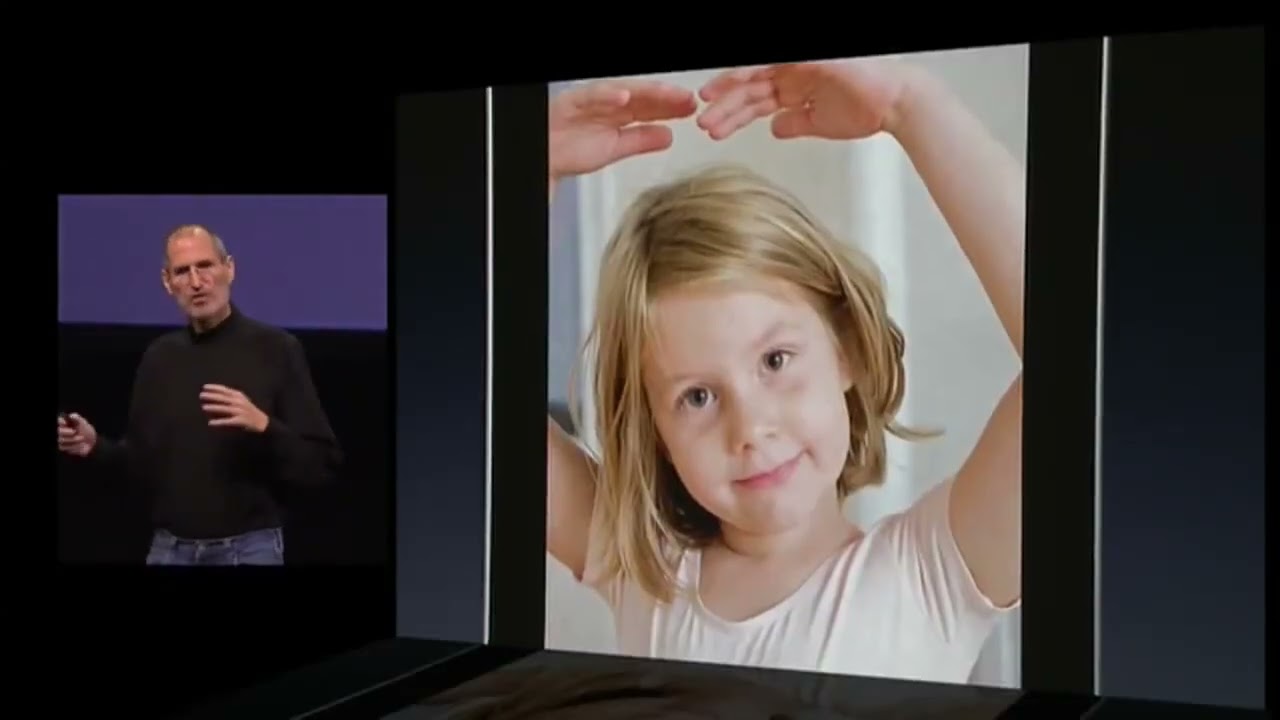
Shortly after that report, Apple under Steve Jobs launched the iPad. At times it's been mocked for being just a large iPhone, at other times it's been criticized as a media consumption device, but there is still no tablet to rival it.
The iPad took longer to become a hit, and it never became the success the iPhone did, but it was a key part of Steve Jobs's era.
It was also the last major product released during his time.
Steve Jobs steps down
Steve Jobs was the sixth CEO of Apple. Of his predecessors, Mike Markkula stepped aside for John Sculley, but every other one was fired.
Doubtlessly, Steve Jobs would not have stepped down for anyone, and equally certainly, no Apple board would ever have fired him.
But on August 24, 2011, Steve Jobs quit as CEO. He'd already had leaves of absence over health issues, during which Tim Cook became acting CEO.
Now his failing health was too much and Cook became his full-time replacement. Steve Jobs died on October 5, 2011, aged 56. The cause of death was officially respiratory arrest, but the underlying cause was his "metastatic pancreas neuroendocrine tumor."
"I believe Apple's brightest and most innovative days are ahead of it," Jobs had written in his resignation letter. He also told his team, particularly Tim Cook, that they should never look back.
He told them to not ask "what would Steve do."
You have to imagine that they do ask that, that they do all wonder that, at least at times. But during his time as CEO, Steve Jobs set up Apple for the future, and protected it from ever coming so close to failing again.
It was time for Tim Cook to shape what happened next.
Apple at 50: How each of its CEOs shaped the company
- Apple at 50: Michael Scott, the company's first CEO, made bold and bad choices
- Apple at 50: Mike Markkula, Apple's second CEO was as important as Steve Jobs
- Apple at 50: John Sculley, Apple's most maligned CEO
- Apple at 50: Michael Spindler, the CEO who brought in the clones
- Apple at 50: Gil Amelio, the CEO who brought back Steve Jobs