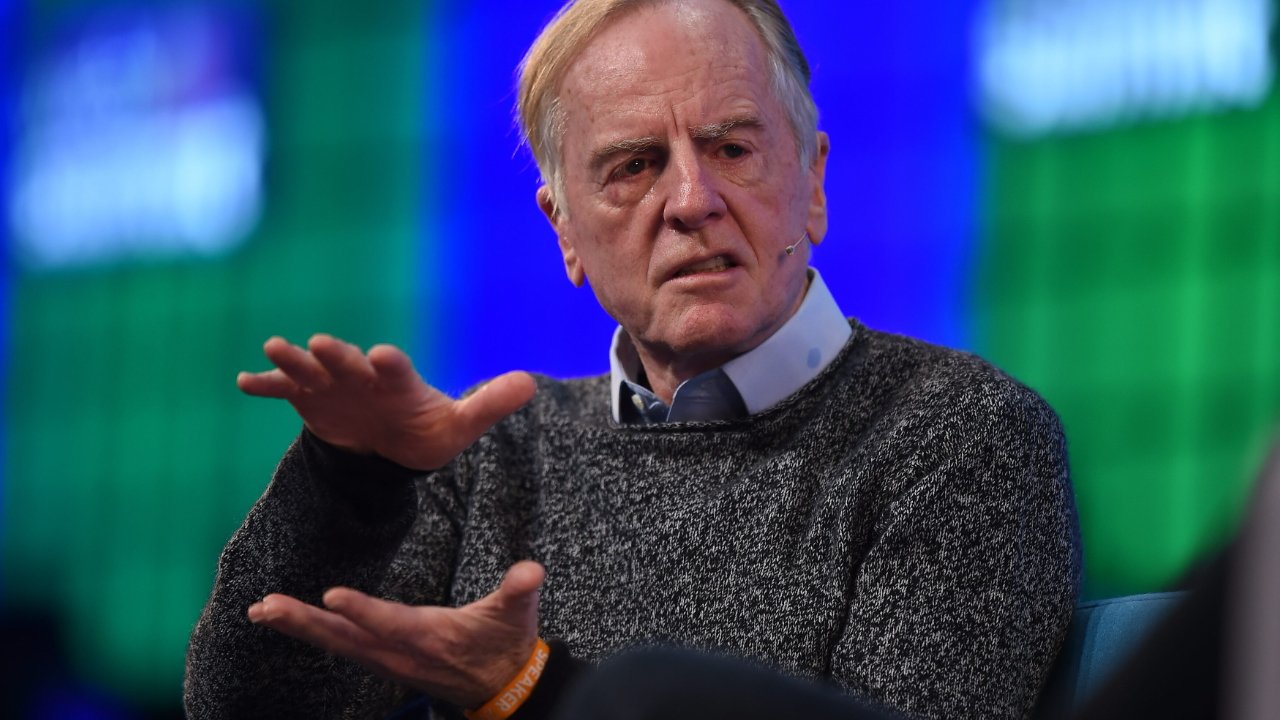
John Sculley's ten years as Apple CEO saw huge financial growth and innovative ideas like the Newton — but also a financial crash and the ousting of Steve Jobs.
If you can just stick around long enough, your reputation is likely to change. Today it's common to see ex-Apple CEO John Sculley praised, or at least described as having been unfairly treated by history.
There are reasons to back that up, most specifically to do with how he didn't actually fire Steve Jobs as years of rumors would have it. That's a little bit hair-splitting, though, because the situation between the two men had deteriorated so badly, but it is true.
Nonetheless, Sculley is certainly the most criticized CEO Apple ever had. That's because he did make some some strange decisions, but then he also made good ones.
Sculley looked far into the future of Apple with ideas that weren't exactly his, but still are only now coming true 33 years after he left the company.
Then, too, he was perhaps too keen to look into the future, because a major failing was announcing the Newton far too soon. He said yes to the Newton, but he said yes to the practically identical General Magic, and both died.
He's been excoriated by the business press — once voted 14th worst CEO of all time, for instance. But he's also been canonized — if chiefly in his own autobiography.
Perhaps the best way to summarized John Sculley before detailing his impact on Apple, is to quote one of the men who hired him.
"John Sculley did a great job the first five years," Markkula told the New York Times back in 1997. "Then, for some reason, he took his eye off the ball. I'm still not sure why."
Why Apple appointed John Sculley
Apple was still in its early days when Sculley joined in 1983, and the company's board still did not see Steve Jobs as CEO material. Apple's first CEO, Michael Scott hadn't worked out, and its second one, Mike Markkula was adamant he was only meant to be temporary.
So Apple was searching for someone to take on the role and hopefully stay. Markkula and Jobs led the search, and initially wanted a CEO who understood technology, so they approached IBM's Don Estridge, but were turned down.
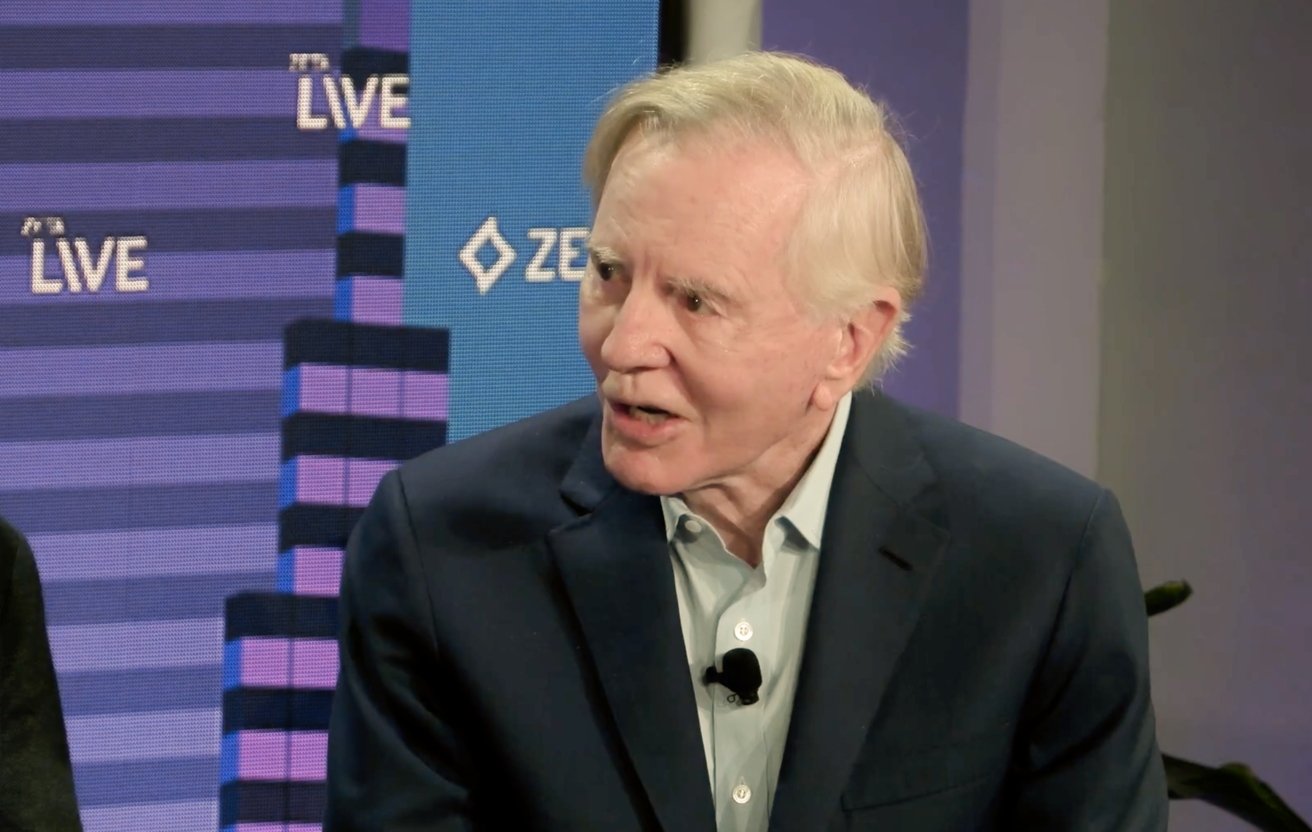
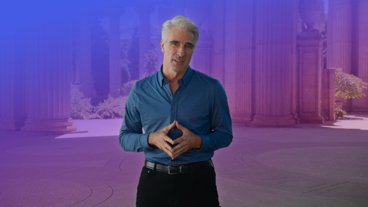
John Sculley in October 2025 — image credit: Zeta Live Conference
Most people turned Apple down, until they came to John Sculley. At the time, he was president of PepsiCo and says he wasn't looking to leave.
But he was approached by headhunter Gerry Roche, who he knew would not spend his own time on a company unless he was sure Sculley was right for it. Sculley was far from convinced, but he agreed to speak with Steve Jobs and to visit Apple.
"I flew out to Los Angeles on Saturday, 18 December [1982], and quickly convinced [my children] Meg, 19, and Jack, 17, to visit a computer store with me," he wrote in his 1988 autobiography, Odyssey: Pepsi to Apple. "Driving back in the car, my kids asked me why I was so interested in computers."
"I told them I was going to meet Steve Jobs at Apple," he continued. "'Steve Jobs?' asked Meg excitedly. 'You're going to meet Steve Jobs!'"
"I was astonished that Jobs could prompt such a reaction," said Sculley. "They had grown up in a Hollywood environment, they went to school with the sons and daughters of movie and television stars. But the mere mention of Steve Jobs seemed something else."
Culture clash
If Apple had got Don Estridge, it would have had a CEO with a technology background. With Sculley, it got none of that at all, but it did get what was someone considered to be supremely talented at marketing.
Sculley's autobiography — co-written with John A. Bryne from Business Week — even has the strapline "A marketing genius tells his story."
But this image was all based on how well Sculley had done at Pepsi, and specifically on him creating the famous blind taste test against Coke. Yet even Sculley himself says he didn't create this Pepsi Challenge.
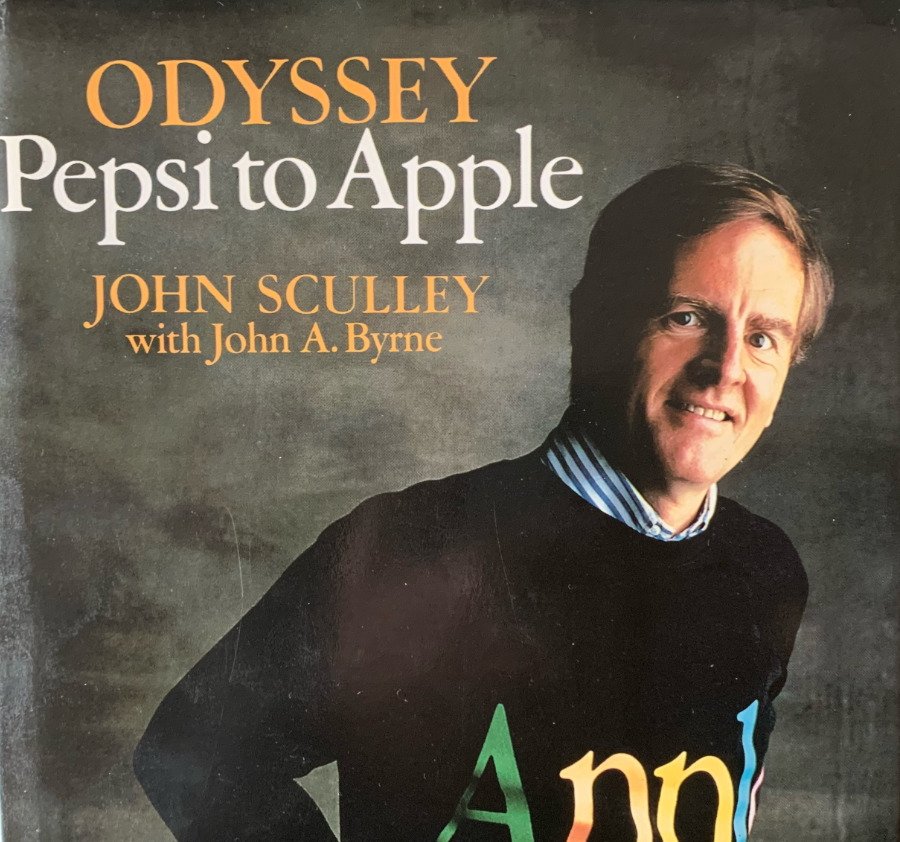
John Sculley on the cover of his 1988 autobiography — Image Credit: Random House
In an example of what at Apple would be called skunkworks, Pepsi's bottling vice president Larry Smith hired an ad agency expressly against the instructions from the company's board. He, this agency, and vice president of marketing Harry Hersh created the Pepsi Challenge and ran it successfully in Texas in 1973.
What Sculley did four years later was take that Pepsi Challenge campaign and run it nationally. Since then, there have been academic studies into how it might really have worked, but what the ads showed was real people finding they preferred the taste of Pepsi.
"I thought: 'Good, this guy understands marketing,' " Markkula told David Pogue for Apple: The First 50 Years. "That gives me an opportunity to retire again and not have to worry about this thing."
It took several meetings with Steve Jobs before Sculley was asked the famous question about whether he wanted to change the world, or carry on selling sugar water. That was the question that sealed the deal, although a $1 million signing bonus, $1 million golden parachute clause, options on 350,000 shares of Apple stock, a $1 million salary, and relocation expenses may have helped.
One CEO, two leaders
Much later in 2010, Sculley said that it at least should have been obvious immediately that there were going to be problems between him and Steve Jobs. "[He] was chairman of the board, the largest shareholder, and he ran the Macintosh division, so he was above me and below me."
As reported by Owen W. Linzmayer in his book Apple Confidential 2.0, though, business journalists predicted trouble from the start. "Some naysayers claim the partnership will never last," said an edition of Fortune magazine in 1984, "that intense, mercurial Jobs, who owns nearly 12% of Apple stock... will drive intense, focused Sculley back East."
In the earliest days, though, things were different, or perhaps Sculley tried to make them different. "Apple has one leader, Steve and me," he said to the staff, while raising a toast to Apple on the first anniversary of his joining.
Then, too, Jobs was reportedly fully on board with Sculley being CEO. It's Sculley who reports this, but he says that Jobs had told him "You're like one of the founders of the company."
"Woz and I founded its past, but you and I are founding the future," he is said to have continued.
Why 1984 wasn't like '1984'
Jobs and Sculley seemingly had a harmonious relationship at first, but they also clashed and in particular over the Macintosh. The Mac, as important as it would become and continue to be today, was a flop at first and in part because of its price — which Sculley insisted on.
Originally the Macintosh was meant to be a low-cost computer, but Jobs kept adding more technology to it and requiring higher specifications. Then Sculley planned a hugely expensive marketing campaign which was to be paid for by raising the price of the Mac.
Sculley won that one, and actually it seems that even the poor Mac sales were sufficient to recoup that marketing spend. But then Jobs was enamored of the idea that would become the "1984" ad that run during the Super Bowl, and Sculley hesitated.
Sculley was unsure of the ad until it was shown at an Apple sales conference and went down a storm. Now Sculley backed it, but then Apple's board hated it.
"Most of them felt it was the worst commercial they had ever seen," said Sculley. "Not a single outside board member liked it."
It's not clear quite what the consequences of that should have been, since some sources say the board had to approve the ad, and others say that didn't. It doesn't appear that the board asked for the ad to be dropped, but Sculley hesitated again.
Ad agency Chiat/Day was told to sell off the two Super Bowl slots it had bought for the ad, a 30-second one and a 60-second one. Chiat/Day did sell the first, but apparently pretended it couldn't get a buyer for the latter, not at this last minute.
Even so, there was a chance to run a previous ad called "Manuals" instead and Sculley thought about it. Eventually he passed the buck and told Apple marketing executives William V. Campbell and E. Floyd Kvamme to make the decision.
They ultimately decided to go ahead with the full 60-second commercial, and now Sculley got to bask in having been behind what was seen as the most famous Super Bowl ad ever made.
The Macintosh Challenge
Following that undoubted success, Sculley fell back on another old idea and worked up a kind of Pepsi Challenge for the Mac. There was no way to sit people in front of the Mac and the IBM PC, but if you could just get people to try the Macintosh, they'd surely realise which was the better.
So "Test Drive a Macintosh" was born, and meant that people could take home a Mac for a while to try it out. They did, but they didn't then tend to buy one for themselves, they just returned it — sometimes battered, too.
The campaign was a costly mess and failed to raise the sales of the Mac. With the Mac struggling, what was sometimes called the "dynamic duo" of Sculley and Jobs was going to struggle too.

Up to this point, Apple had been able to weather failures like the Apple Lisa because it the Apple II was still selling incredibly well. Now those sales were tailing off and Apple had to announce a loss, Apple had to lay off employees.
On April 10, 1985, Sculley told Apple's board that he would resign as CEO if they did not remove Jobs as executive vice president and general manager of the Macintosh division. The board agreed — but decided Jobs should stay as their chairman.
Again Sculley hesitated over doing anything and let that stand, let things continue, until he learned that Jobs was now working to oust him. Sculley was warned of the coup attempt by Jean-Louis Gassee, who believed the whole company was in danger.
On May 24, 1985, Sculley confronted Jobs, who confirmed his plan. "I think you're bad for Apple," Jobs reportedly told him, "and I think you're the wrong person to run this company."
Sculley did not fire Steve Jobs
Jobs appears to have said this not just to Sculley's face, but in front of the whole board. But then every member of the board backed Sculley.
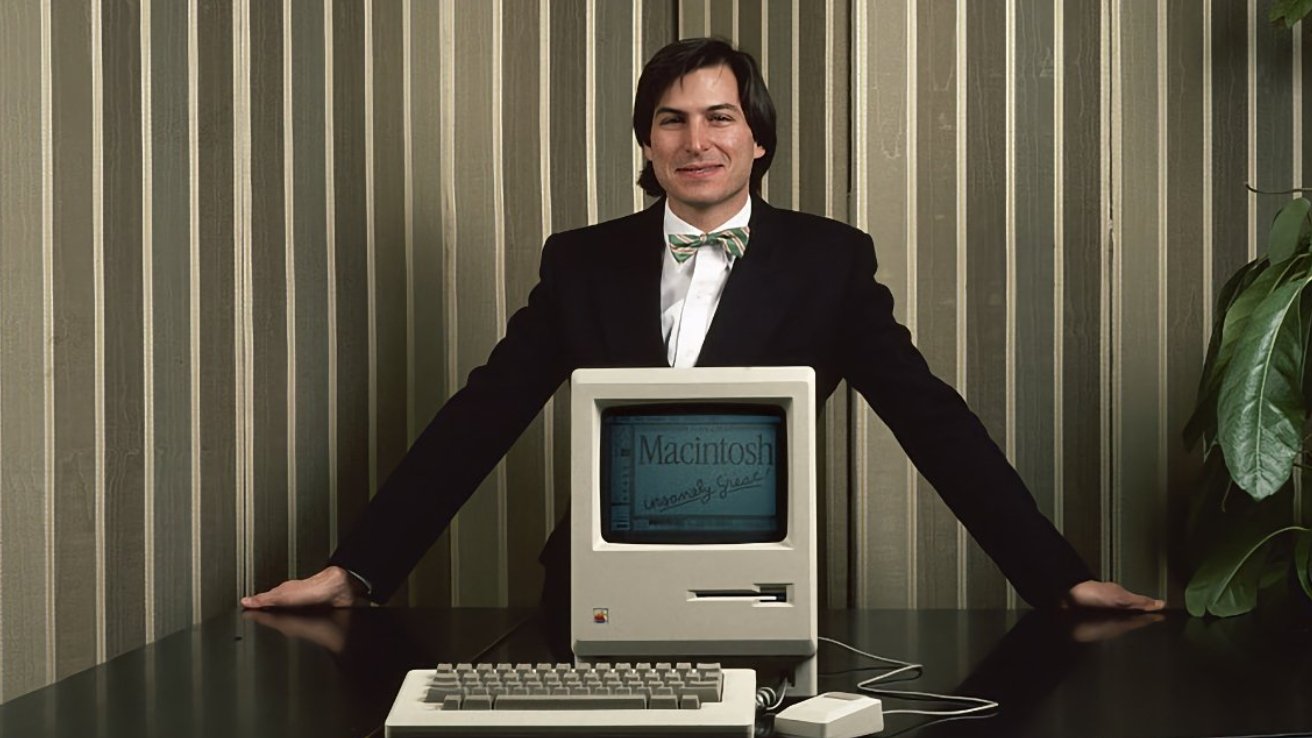
Steve Jobs with the original Macintosh in 1984 — image credit: Apple
Somewhere around this time, Sculley says in his autobiography that Jobs spent an hour effectively pleading to stay in charge of the Macintosh. When that failed, Jobs left Sculley's office and the CEO's executive assistant, Nanette Buckhout, came in to ask what was wrong.
I closed the office door and slumped into a chair, my hands on my forehead. 'Steve wants more time to prove he can change. I told him it's all over. 'But, my God, I came here because of Steve, because I wanted to work with him. I picked up and left everything so we could work together. And now he's gone. I'm left here alone. What do I have? Maybe I'm not good enough or competent enough?'
'John, I've never seen you like this. I've seen you deal with problems at home, with tough situations here. But nothing like this. You're a broken man,' she said, nearly sobbing herself.
Just because an account is melodramatic, it doesn't mean it didn't happen and immediately after this description, Sculley's account turns very practical. All of his Apple stock options, he said, had become worthless and "with all Apple's problems, I would probably never be offered another job in corporate America."
So Sculley was staying at Apple, but just to make walking through the offices uncomfortable, Steve Jobs was staying too. He was given a spurious title about global thinking and moved to a building nicknamed Sibera, but he was still in the company.
Except on September 12, 1985, Jobs informed the board that he planned to leave to start a new firm. It was what would become NeXT, but the way he sold it, it was an education-based technology company, and he needed a few people to come with him.
Jobs offered to resign from the board on that day, but the board asked him to think about it for a week. Then on September 13, Sculley learned who Jobs was taking — and they were absolutely key to the next Mac.
Sculley finally moved to remove Jobs as chairman, but Jobs resigned first. And to both prevent the board again refusing to accept his resignation, and to make as big a noise out of it as he could, Jobs send copies of his resignation letter to the press.
That actually helped Sculley, though, as Apple's stock rose a full point in response.
Sculley without Jobs
John Sculley and Steve Jobs worked together at Apple from April 8, 1983, to September 13, 1985. That's just the first two years of Sculley's eventual decade as CEO.
It's also well within the five years that Mike Markkula says Sculley was great in. And he was — according to Linkzmayer, Apple had $600 million annual sales in 1983, and close to $8 billion when he left ten years later.
Sculley would later insist that all of Apple's best ideas during his time were started by Steve Jobs, but that is actually too generous.
Still, in 1987, with echoes of how he saw the success of the existing Pepsi Challenge idea and took it nationally, Sculley had Apple make a video for what was called the Knowledge Navigator.

There was nothing actually new in this video of how the world of tomorrow — actually the world of 2011 — would be like. And the video is very of its time.
But curiously, a lot of the ideas it has about digital assistants and a device being central to people's working lives, is still steadily coming true.
"My dream is to see the Knowledge Navigator become the legitimate descendant of the Macintosh," wrote Sculley in 1988.
Then in 1992, he got the glory for another idea that had nothing to do with Steve Jobs: he announced the Newton.
Only, that Newton announcement is an illustration of so many problems. He took credit for it at the time, for instance, having what Gassee later called "this passionate need to put his name on things."
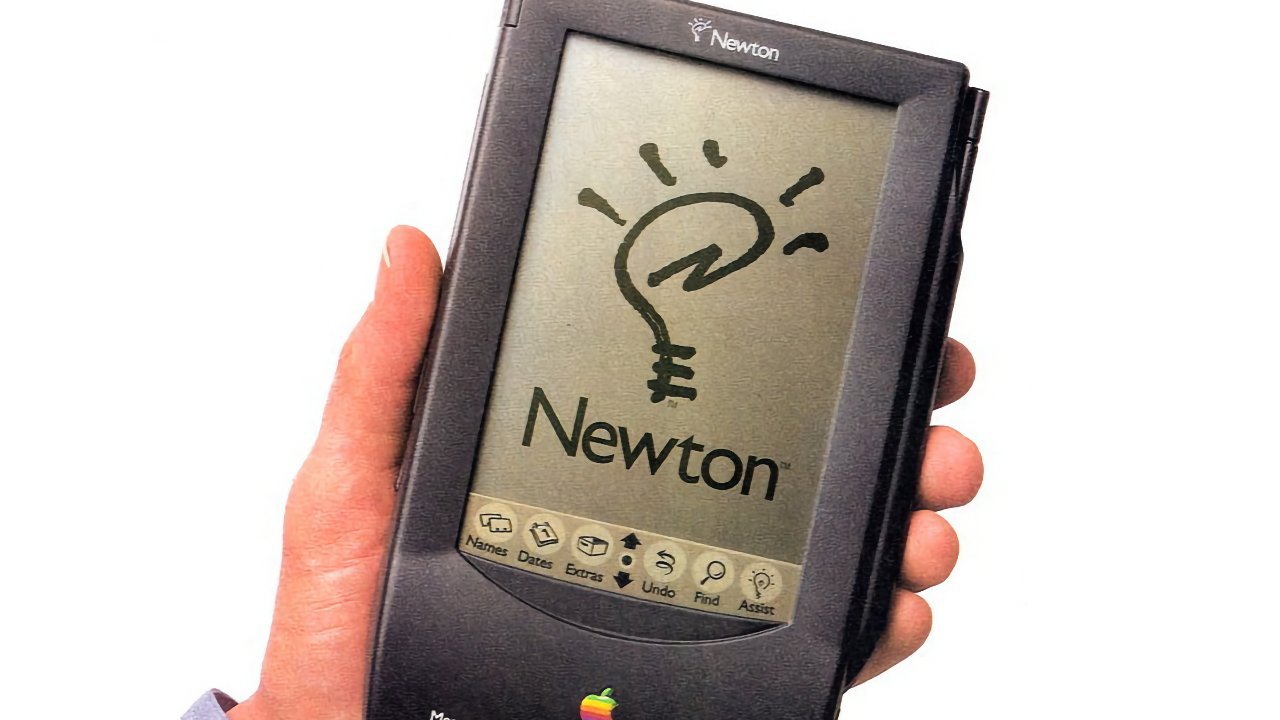
Apple's Newton was late — but still ahead of its time. Image credit: Apple
He may have announced it in January 1992, but it didn't ship until August 1993. Apple could have established a lead in what Sculley called the PDA, the Personal Digital Assistant, but it was beaten to market by cheaper, lower-specification rivals.
While you're wondering why he announced Newton despite knowing it wasn't ready, and wondering why he didn't find a way to make the acronym be PAD, there is one more puzzle.
At first, Sculley reportedly didn't understand Newton when told about it by Apple's Bill Atkinson. Then when he got it, he loved the idea and backed the project.
But he also backed the completely separate Apple spin-off General Magic, which was effectively trying to produce the same kind of device. Sculley backed both at the same time, and perhaps because yet again he hesitated over what was the right one.
Both Newton and General Magic failed. When Steve Jobs came back, he killed off the Newton, ostensibly in order to concentrate Apple on a few key products.
But then eventually the reason Jobs came back at all, is tied to Sculley and the Newton. Despite increasing Apple's earnings for most of the time he was in charge, in 1993 there was a dramatic drop as the company faced more competition.
Apple's board, thinking Sculley was more interested in Newton than on the firm's bottom line, asked him to step down. On June 18, 1993, Sculley was replaced by Apple's fourth CEO, Michael Spindler.
One key legacy
As noted by David Pogue's book, Sculley did do one particularly successful thing in the time after Jobs — he bought into the British company Arm. Today Arm processors are in everything from the iPhone to thermostats, but the benefit to Apple is not that Sculley bought in to Arm early, but that Apple sold most of its stake.
Reportedly, Apple was in such a bad financial shape that is solely because it was able to sell its last ARM holdings that it was able to buy NeXT and get back Steve Jobs.
But it wasn't Sculley who sold the shares, and it wasn't his successor. It wasn't Spindler's successor, Gil Amelio whose 500 days at the top of Apple ultimately led to the return of Jobs.
Before Amelio could preside over a failing Apple, though, the company first had the rocky tenure of Michael Spindler.
Apple at 50: How each of its CEOs shaped the company
- Apple at 50: Michael Scott, the company's first CEO, made bold and bad choices
- Apple at 50: Mike Markkula, Apple's second CEO was as important as Steve Jobs
- Apple at 50: John Sculley, Apple's most maligned CEO
- Apple at 50: Michael Spindler, the CEO who brought in the clones
- Apple at 50: Gil Amelio, the CEO who brought back Steve Jobs