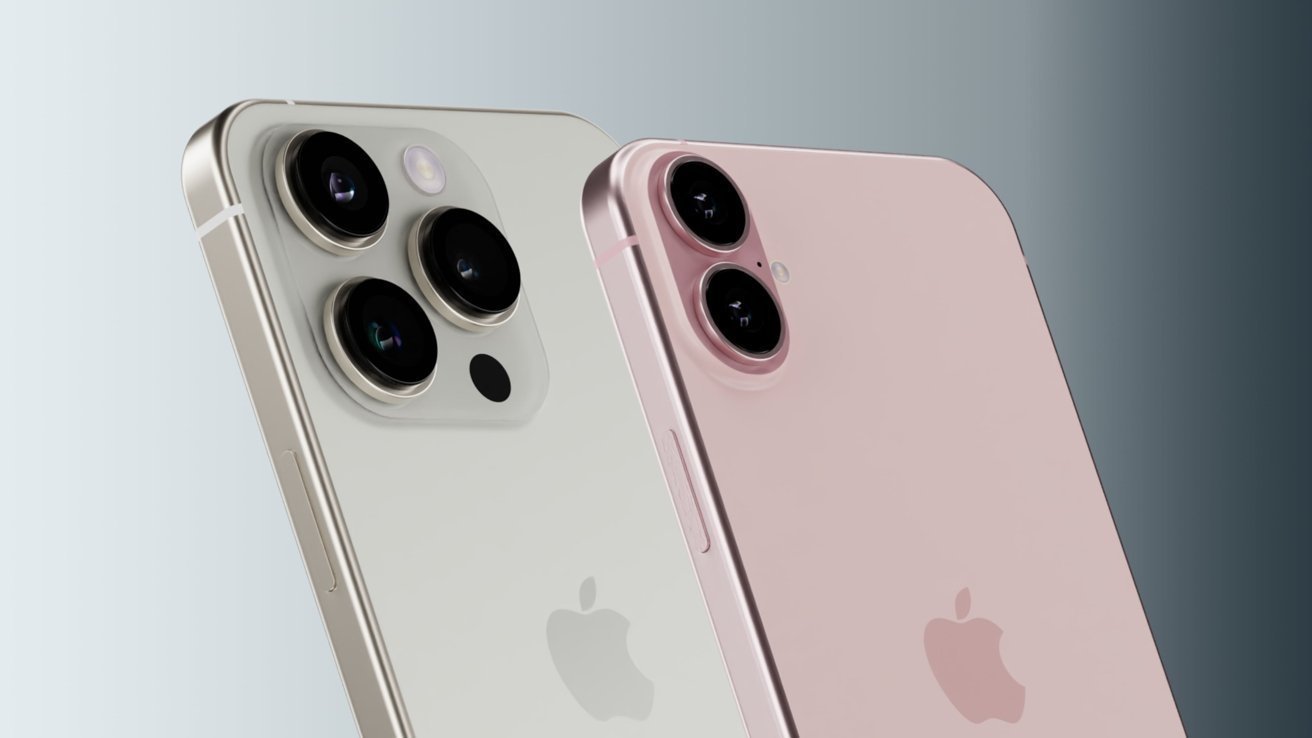
Morgan Stanley analysts have raised their iPhone 16 build estimates, signaling stronger than expected demand heading into Apple's September quarter.
Morgan Stanley's Greater China Technology Hardware team revised September quarter iPhone builds up 8%, from 50 million to 54 million units. The report claims that the increase comes entirely from the iPhone 16 and iPhone 16 Pro Max, with 2 million more units added to each.
Stronger June quarter sell-through cut iPhone channel inventory below normal levels, opening room for restocking. Morgan Stanley already factored this in, forecasting 55 million September shipments.
That's about 800,000 more than the revised build figure, according to an investor note seen by AppleInsider.
December quarter forecast
Apple's December quarter is historically volatile, with iPhone builds rising between 35% and 71% from September. Based on the revised 54 million base, Morgan Stanley sees a possible range of 73 million to 92 million builds, or 76 million to 95 million shipments.
The analysts expect a more measured outcome of 73 million to 81 million builds and 76 million to 84 million shipments. That aligns with their current Apple December quarter forecast of 78 million shipments, leaving only modest upside potential.
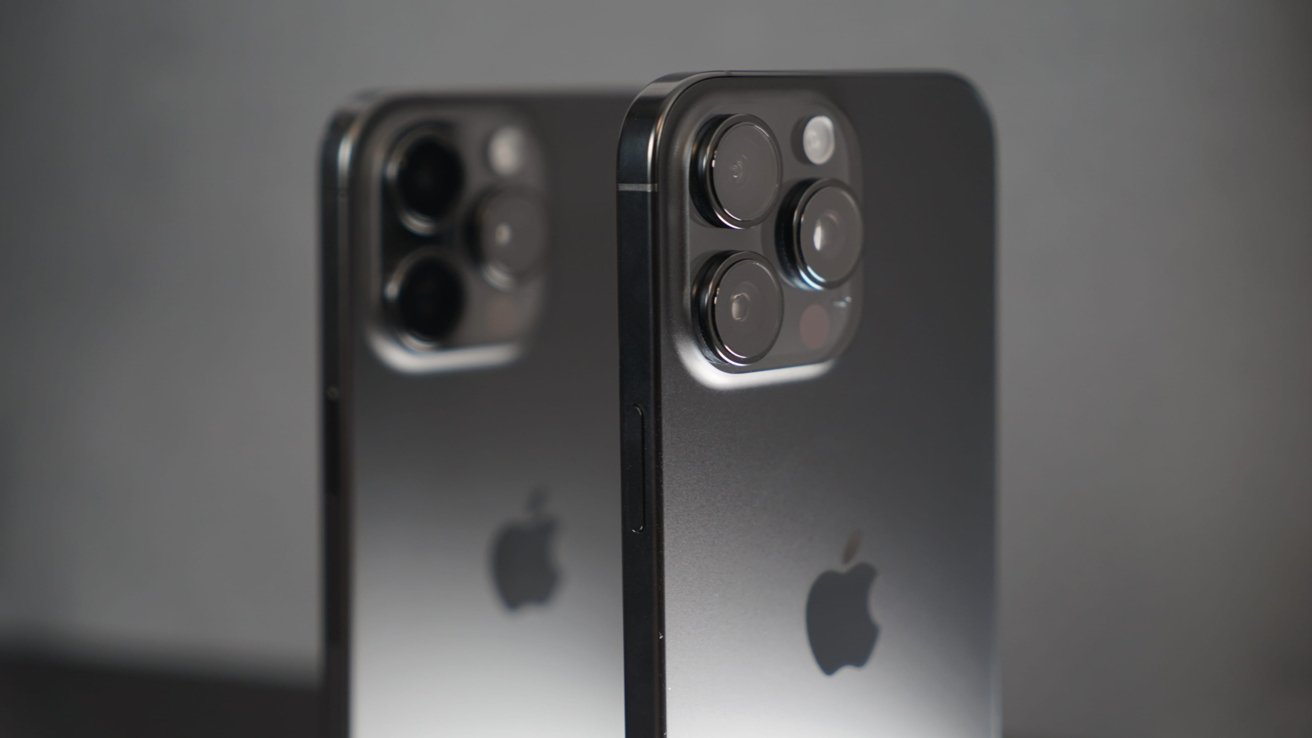
Near-term production is trending higher, but Morgan Stanley left its Apple iPhone 17 build forecast unchanged at 80 million to 85 million units for the second half of 2025. That compares to 84 million in 2024, pointing to flat to slightly lower iPhone shipment growth year over year.
Near-term production is trending higher
Analysts indicate that optimism is increasing, but expectations are still cautious. Concerns have included sluggish product growth, tariff risks, regulatory pressure, and an unclear Apple AI strategy since March 2025. Recently, sentiment has begun to change.
Is Apple turning a corner?
Morgan Stanley suggests that Apple is overcoming earlier stock concerns. Tariff risks have diminished, and short-term regulatory pressures are less significant.
Additionally, Apple Services pricing has been stable for two years. That provides a potential adjustment option.
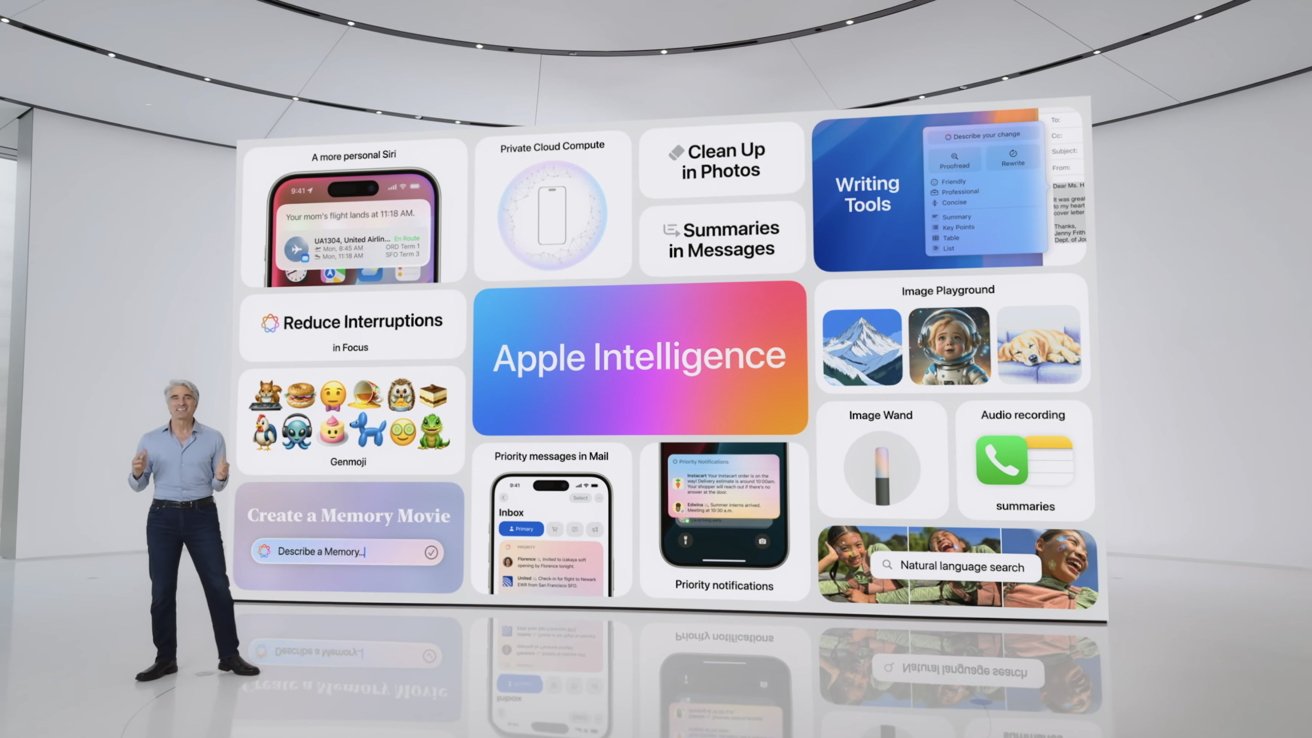
The missing piece is still Apple's AI strategy
Morgan Stanley presented valuation scenarios for 2026, with price targets from $173 to $284. The bull case scenario involves an "AI iPhone" cycle that boosts upgrades and increases iPhone revenue growth to the mid-teens.
That growth is expected to elevate earnings sufficiently to justify a $284 valuation. The base case assumes steady Services growth above 10% and modest product gains, offset by tariff costs, leading to a $240 target.
The bear case sees weak iPhone 17 demand and pressured consumer spending, with EPS growth stalling and valuation falling to $173. Analysts argue that Apple product demand may be stabilizing, and that even modest growth could support a stronger stock outlook.
The missing piece is still Apple's AI strategy. Competitors are aggressively pursuing AI products and partnerships. Morgan Stanley suggests Apple is one strategic partnership away from breaking out of its current range.
The upcoming iPhone 17 launch will be a key test of Apple's momentum. The iPhone build revisions indicate steady demand recovery.
However, long-term growth will depend on Apple's management of iPhone sales trends. Additionally, leveraging Services pricing and developing its position in AI will be crucial. For now, the signs point to resilience in Apple's core products.