Wall Street analysts are incredibly positive about Apple's Services revenue after the Google antitrust ruling, saying the company came out stronger with billions of dollars preserved and new bargaining power in AI search.
Apple keeps its lucrative search payments, avoids major disruption, and gains leverage from annual renegotiations. None of the major firms cut price targets, and some argue the outcome could be financially positive.
TD Cowen: a favorable outcome
TD Cowen's Krish Sankar described the remedies as mostly beneficial for Apple's advertising business. The business relies on Google licensing for approximately 20% of Services revenue and 10% of gross profit.
Sankar estimates that Google revenue sharing might remain in the $20 billion range. This is despite a decrease in Safari queries as users try out AI chatbots.
Apple can now license AI products beyond Google, such as OpenAI's ChatGPT, enhancing its flexibility in partnerships. The shift preserves revenue streams while granting Apple greater leverage in negotiating future AI search deals.
Wedbush: a monster win
Wedbush's Daniel Ives described the ruling as a "monster win" for Cupertino, removing a $25 overhang from Apple's stock. He noted that while exclusivity is gone, the deal's survival paves the way for an expanded AI partnership with Google Gemini.
In his view, the resolution clears a major risk for investors and creates a green light for Apple to double down on AI tie-ups with Google, rather than threatening its revenue base. His $270 target and Outperform rating remain intact.
Evercore: annual leverage
Evercore's Amit Daryanani emphasized that Apple's $15 billion to 20 billion annual payment from Google is safe, but with one-year contracts instead of three-year terms. That shift could actually boost Apple's leverage, as rivals may try to outbid Google for default status.
He added that the ruling requires Google to syndicate some data and ad services to competitors, making alternative search engines more viable. Evercore sees the change as a net positive, giving Apple annual bargaining power and the chance to swap in an AI-based search partner if it sees fit.
J.P. Morgan: Positive for Apple, with just modest risk
J.P. Morgan's Samik Chatterjee views the ruling as a positive outcome for Apple. The company will continue receiving payments from Google, maintaining Safari's default search option.
The payments ensure Apple's Services revenue remains unaffected by structural changes. Overall, the ruling alleviates investors' worst fears and supports Apple's financial stability.
Chatterjee described the ruling as "better than feared." He noted that Apple might face a low- to mid-single digit earnings impact in a worst-case scenario.
However, the ability to renegotiate contracts annually turns this into a manageable risk. Overall, J.P. Morgan views the ruling as supportive for Apple's stock.
Morgan Stanley: best-case scenario
Morgan Stanley's Erik Woodring framed the ruling as a near best-case scenario. Google can still pay Apple more than $25 billion annually at 95% plus margins, and Apple can renegotiate each year to potentially improve terms.
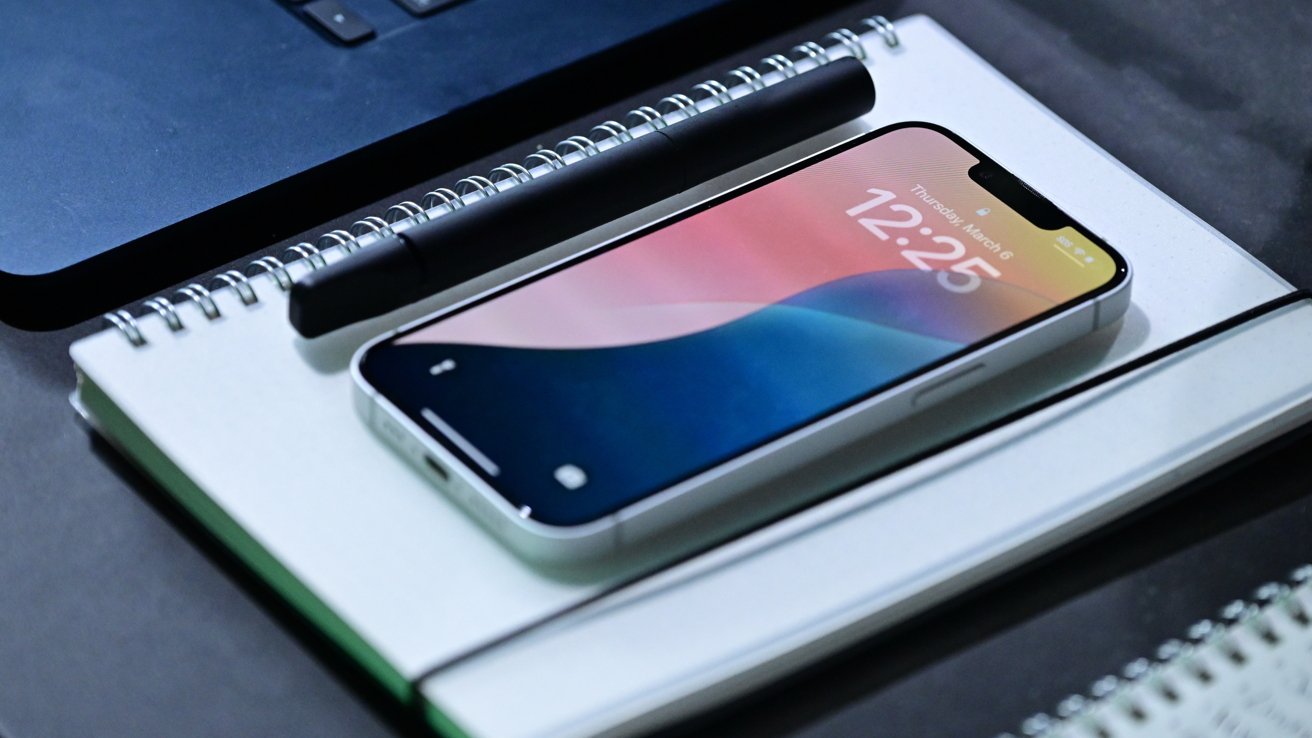
iPhones will have more competition in Search
The bank dismissed speculation that Apple needs to build or buy its own search engine, saying the remedies prove otherwise. Instead, Apple can keep collecting payments, invite new AI players, and remain a gatekeeper in search distribution.
Other analyst voices
Not every take came from the big five firms. Other analysts and talking heads weighed in with equally bullish spins, often framing the ruling as a win dressed up as regulation.
RBC Capital called the decision "benign," noting it lifted a major overhang and even raised its Google price target from $220 to $260.
Oppenheimer Jason went further, describing the outcome as "best-case" for Google and Apple alike, while hiking his Google target to $270.
UBS Analysts told clients the DOJ drama was already baked into Apple's estimates. They kept a Neutral rating and a $220 price target, suggesting that the lack of real change means no reason to adjust the model.
On CNBC, Jim Cramer boiled it down, saying Apple gets paid to use someone else's AI. Instead of pouring billions into its own search product, it can let Google and rivals bid for default status.
The only thing Apple spends is the time cashing checks.
Others echoed that perspective, arguing the ruling actually makes it easier for Apple to integrate generative AI services like Gemini into its products without losing the Google relationship.
The tone across Wall Street and cable finance was strikingly consistent. What was billed as an antitrust crackdown ended up sounding more like a business opportunity for Apple.
Background: the ruling itself
Investors feared a total ban on those payments. Instead, the judge banned exclusivity but let the money keep flowing.
Google pays Apple an estimated $20 billion to $25 billion annually to be the default search engine on Safari. The traffic acquisition cost deal accounts for about 20% of Apple's Services segment revenue.
The ruling allows Search payments to continue. However, contracts can't be exclusive or last longer than a year.
The court's decision lands just as generative AI reshapes search. Tools like ChatGPT and Gemini are pulling queries away from traditional engines. Safari usage of Google Search has already dipped, according to TD Cowen.
Apple already licenses ChatGPT inside iOS and could easily add other AI engines to Safari's options. Morgan Stanley analysts even said the ruling should put to rest the idea that Apple needs to buy its own search engine.
Why spend tens of billions when you can charge others for the privilege of access?
The irony is that remedies aimed at weakening Google's dominance may have strengthened Apple's hand. Apple keeps collecting billions in payments while gaining the option to invite more partners.
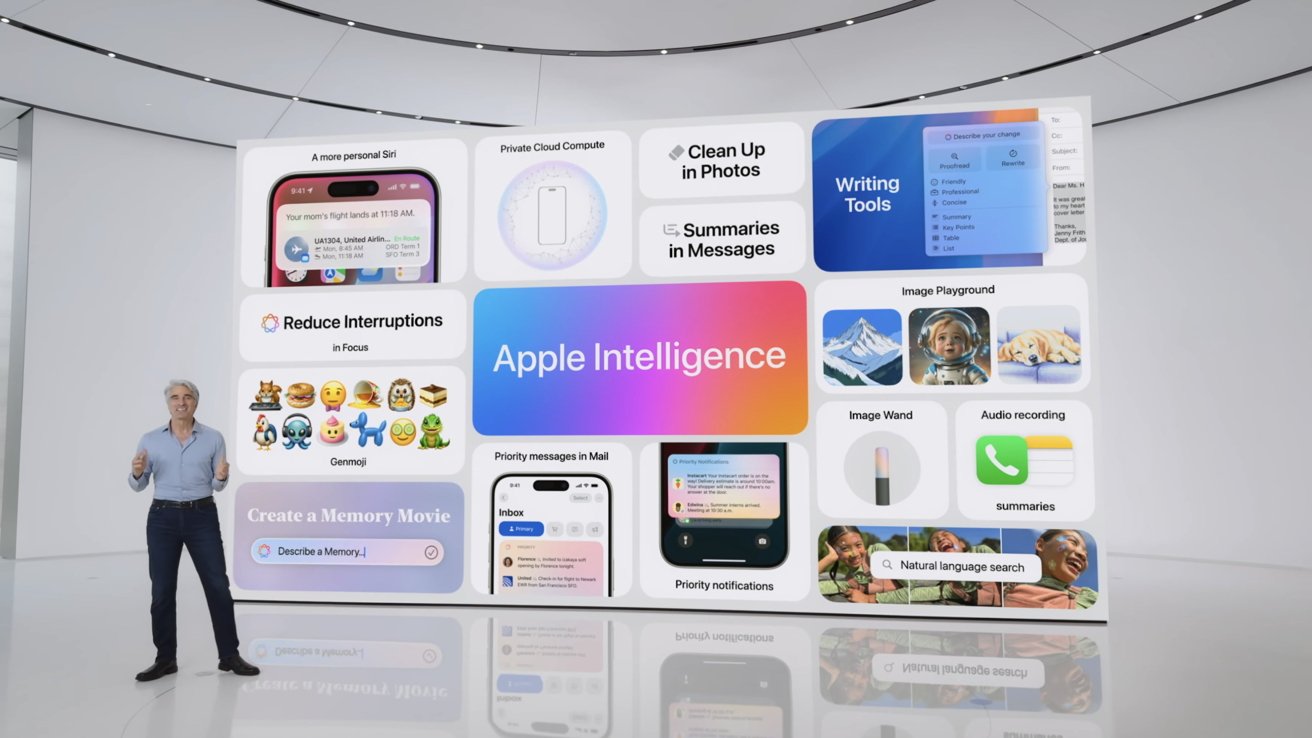
Apple will likely add integrations with other chatbots to Siri, like its deal with OpenAI.
Google loses its search exclusivity but avoids the breakup of Chrome or Android, leaving both companies financially stronger. However, consumer advocates criticize the ruling for not doing enough to curb entrenched dominance.
History suggests they may have a point — Microsoft once tried to chip away at Google with Bing. But despite pouring money into the effort, it never captured more than a sliver of the market.
AI firms may struggle to sustain the billions needed to compete head-to-head.
Where it leaves Apple
Apple retains its search windfall, ensuring that its Services revenue remains intact. The stability boosts investor confidence and helps the stock avoid a significant decline.
Annual contracts create a recurring spectacle where Google must defend its position with cash. Meanwhile, Apple benefits as an auctioneer, collecting bids from eager contenders.
The DOJ's case, intended to limit dominance, inadvertently strengthened Apple's negotiating power. Instead of merely surviving the legal challenge, Apple emerged even stronger.