Evercore ISI thinks Apple's new iPhone Air will be the catalyst for a long-overdue upgrade cycle and has boosted it's Apple stock price target by a bit, but history suggests that's a risky bet.
In a note to investors on September 9, 2025, seen by AppleInsider, the research firm raised its Apple stock target to $260, up from $250. Analysts argued that the iPhone 17 lineup, particularly the newly introduced iPhone Air, represents enough of a design shift to reinvigorate demand.
Evercore highlighted five takeaways from Apple's "Awe Dropping" event in Cupertino. Analysts believe these moves mark the start of a new multi-year roadmap for iPhone sales.
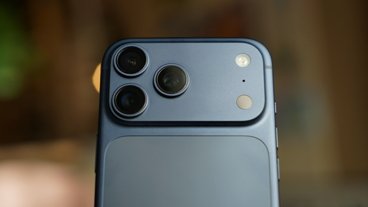
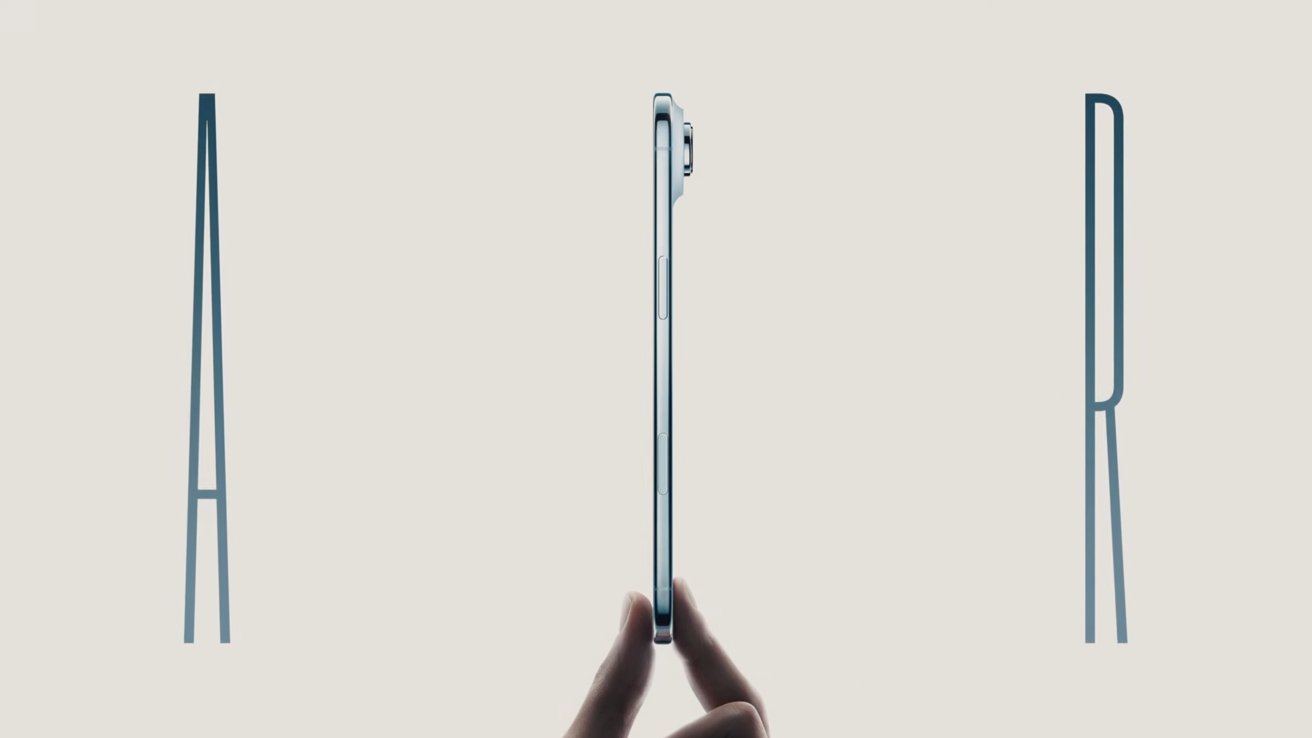
The star of their thesis is the iPhone Air. At $999, it's thinner and lighter than other models. In a bit of revisionist history, Evercore compares it directly to the MacBook Air, which poorly launched a transformation of Apple's laptop lineup back in 2008.
Pricing & positioning
Evercore applauded Apple for holding the line on pricing in a high-inflation environment. The iPhone Air comes in at $999, while the iPhone 17 Pro begins at $1,099.
The iPhone 17 Pro has a higher entry point than the iPhone 16 Pro did. However, it starts at the 256GB storage tier, for the same price that the same capacity sold for in 2024.
Other price points remain largely unchanged.
Analysts say Apple is making a strategic move to keep customers loyal to its ecosystem. They believe it also positions the company to compete more effectively with Android phones like Samsung's Galaxy S25 Ultra and Google's Pixel 9 Pro.
Other product highlights
Apple's decision to hold the line on prices might mean it has reached the limit of its pricing power at the high end. It suggests the company knows consumers are stretching their budgets, which doesn't set up the best case for a big upgrade cycle.
Beyond iPhones, Evercore flagged Apple Watch Series 11's hypertension monitoring as notable. While it is not strictly a blood pressure monitor, the analysts argued it could make the watch eligible for health savings account purchases in the U.S., unlocking incremental demand.
They also cited stronger battery life across devices, with the iPhone 17 Pro Max offering up to 39 hours of video playback and the iPhone Air hitting 27. These improvements are real, but whether they drive behavior change is uncertain.
Longer battery life is welcome, but incremental. Health features have helped wearables grow, but adoption has plateaued in many markets.
Investor reaction & the bigger picture
Evercore raised its target to $260, betting that Apple can turn design changes and the new iPhone Air into stronger sales. Analysts admit the outlook might be optimistic since hardware growth has slowed for years while most revenue gains come from services.
The firm's "Outperform" rating reflects Wall Street's confidence in Apple's skill at handling product cycles. Investors should keep in mind that hype around supercycles often trails reality.
Apple's iPhone demand is generally steady. It hasn't produced a breakout year since the 5G iPhone 12 cycle in 2020.
Evercore ISI is betting on Apple's iPhone Air to repeat the MacBook Air's eventual success story, as the first MacBook Air didn't sell all that well. The call makes for a tidy investor narrative — fresh design, stable pricing, and improved features spark a new upgrade cycle.
The problem is that consumer behavior rarely follows tidy narratives. Apple has mastered the art of keeping its base engaged, but the days of mass migration to new iPhones every other year are gone.
Evercore may be right that the iPhone Air is the start of something bigger. However, it could just as easily be another Wall Street supercycle myth.
Shares closed at $234.60, after plummeting $3 per share during the event.