Apple has opened applications for its 2026 Security Research Device Program, offering researchers completely unlocked iPhone models designed for probing iOS security.
The Security Research Device Program gives vetted researchers rare access to iPhones designed for hacking. Apple isn't suddenly encouraging jailbreaking, but it is providing a safe, legal channel to test iOS at its deepest layers.
Applications opened in September 2025 and will remain open until October 31. If selected, participants receive a 12-month loan of a specially fused iPhone, along with access to beta software and Apple's lucrative bug bounty program.
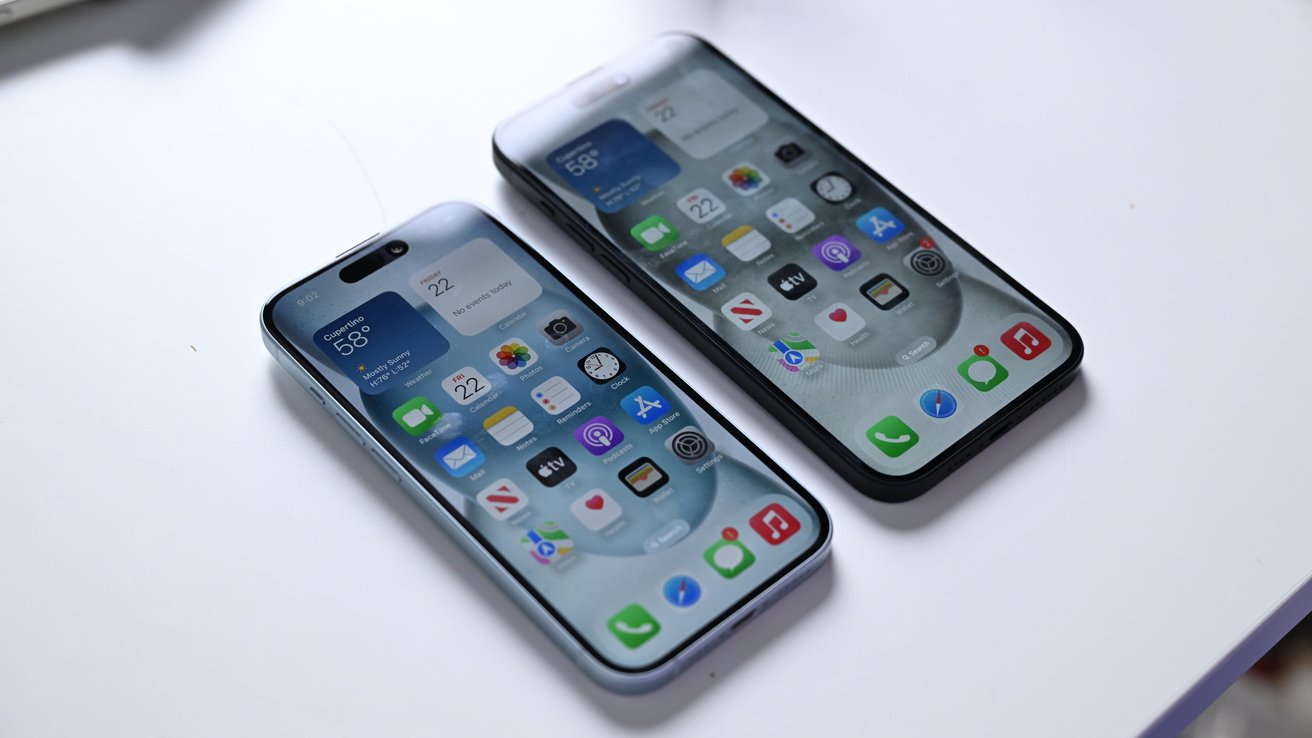
The Security Research Device, or SRD, is built to look and work like a normal iPhone, but it behaves differently under the hood. Apple removes certain restrictions so researchers can go places ordinary users can't.
The SRD gives you shell access, lets you run custom kernels, and offers the flexibility to choose your own entitlements. It's like having an iPhone with all the safety locks turned off.
Unlike consumer models, the SRD isn't for personal use. Apple stresses it should remain on the premises of approved researchers and must not be carried as a daily device.
Who can apply
Apple doesn't hand out these devices casually. To be considered, applicants need a track record of finding security flaws in Apple platforms or modern operating systems.
Applicants must be legal adults and can't currently work for Apple. They also can't be on any government restricted lists.
The program is open to researchers in dozens of countries, including the United States, much of Europe, Japan, India, and South Korea. Some regions remain excluded, particularly those under U.S. trade restrictions.
If approved, participants receive the device on a renewable one-year loan. Apple keeps ownership and reserves the right to request its return.
What researchers get
The benefits go beyond the hardware. Participants gain access to Apple's security betas, software previews, and a research community built around the SRD Program. These extras give researchers a head start on testing iOS before it reaches consumers.
Findings from the SRD feed directly into Apple's Security Bounty Program. That means researchers don't have to worry about being disqualified because of how they discovered a vulnerability.
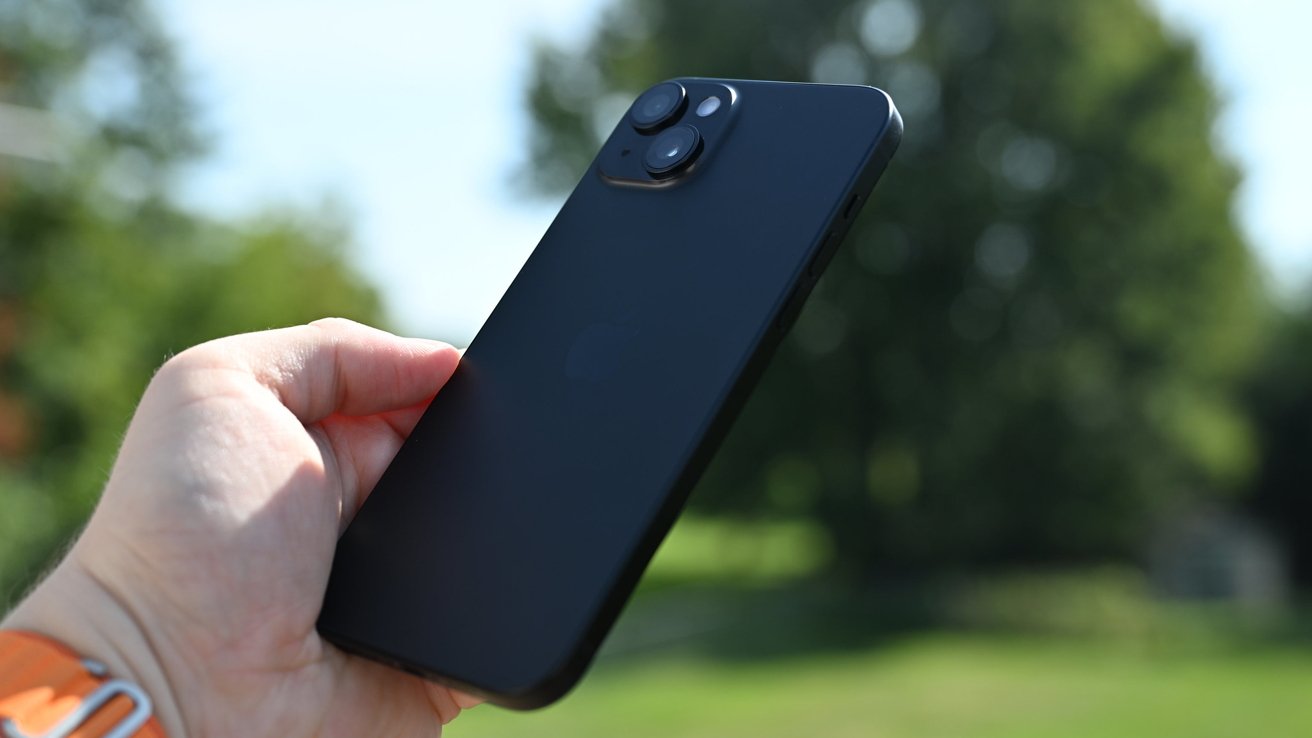
Participants gain access to Apple's security betas, software previews, and a research community built around the SRD Program.
All SRD-based discoveries qualify for rewards, with added bonuses for those found in preview or beta software. Apple has paid some eye-catching sums through its bounty system.
Top payouts have reached half a million dollars, while median awards hover closer to $18,000. For independent researchers, those numbers make the SRD Program more than just an academic exercise.
Why it matters
For consumers, the SRD Program won't change the way iPhones work in daily life. But it does influence how quickly security flaws are found and fixed.
When a researcher uses the SRD to uncover a kernel exploit, the issue often gets patched before it becomes a widespread attack.
Applications for the 2026 program are open now and close on October 31, 2025. For those who qualify, it's a unique chance to test iOS at a level most never see, with the potential to earn serious payouts in the process.