
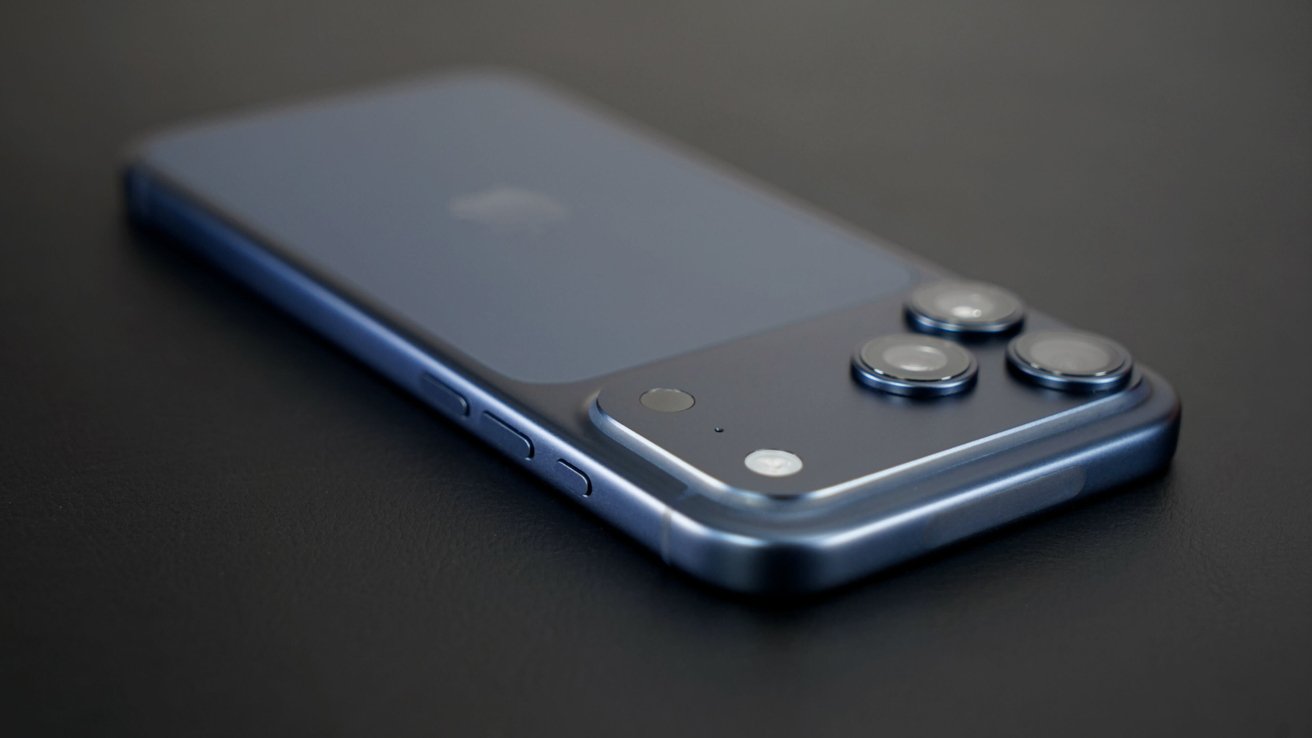
The Pro iPhone model is always most popular at launch, but a new survey has found that the iPhone 17 Pro is more popular than ever. The iPhone Air apparently isn't.
The initial weeks of sale for an iPhone generation are often closely scrutinized by analysts, hoping to work out whether the releases will ultimately be successful. Based on what JPM reports in a note to investors seen by AppleInsider, it's a very good year for Apple.
Consumer interest is high in the United States relative to the release of the iPhone 16 family in 2024, the note reads, albeit with marginally softer demand in China. Approximately 71% of consumers in a survey said they were looking to purchasing a new iPhone in 2025, versus 68% in 2024 and 63% in 2023.
In China, the figure dips slightly to a still robust 90%.
As for what consumers want to buy from the range, the iPhone 17 Pro Max is the most popular model with a 33% share, followed by the iPhone 17 Pro with 22%. This is followed by the standard iPhone 17, which secured 20% of the vote.
Overall, there continues to be a preference for the Pro models over the non-Pro, as usual. The aggregate popularity of the Pro models is 72% for the iPhone 17 range, while that figure hit 64% in the iPhone 16 range.
An Air of questionability
While the survey discusses the iPhone 17 range relative to the iPhone 16, AppleInsider noticed an oddity in the form of no references to the iPhone Air at all. While the Pro models continuing to sell highly makes sense, discussions about the non-Pro iPhone 17 should be considered more carefully.
JPM said in the report that the preference for the base iPhone 17 model is higher than the base iPhone 16 model, especially in China. This doesn't quite make sense given the Pro discussion, until you consider that the iPhone 16 was accompanied by the iPhone 16 Plus, while the "Plus" model of iPhone 17 was replaced by the entirely new iPhone Air.
There is no mention of the iPhone Air, or even the word Air at all, in the full report. It was unclear if the Air was factored into the results of the survey.
AppleInsider asked for clarification and was told that the iPhone Air actually was part of the survey. However, it didn't get enough of a share to count as one of the top five preferred models among consumers, so was left out of the report.
As an example, for the question "Which iPhone are you looking to purchase?" the iPhone Air got a 2% share overall, with US and China-specific responses also being 2% for that model.
Upgraders and switchers
When it comes to upgrades for existing iPhone users, approximately 82% identified as such say they were looking at possibly getting a new iPhone in 2025. This is slightly up from the 79% reported for 2024.
This sentiment grew more in the United States, which saw the percentage grow from 73% to 78%. In China, the sentiment was "relatively modest," but that was because it grew from an already high 97% in 2024 to 98% in 2025.
Upgraders are also leaning towards securing Pro models, with the Pro Max at 36% of the total, Pro at 20%, and the standard iPhone 17 at 20%. In total, 73% of upgrading existing iPhone owners were looking towards getting the Pro, versus 67% for the iPhone 16 series.
For switchers, there's a slightly lower appetite to move to iOS versus the 2024 figures. For Android users, 57% of respondents are considering a new iPhone in 2025, while that figure was 61% in 2024.
Much like the upgraders, the switcher contingent eyed the Pro models, with 29% wanting the Pro Max, 26% for the Pro, and 21% for the iPhone 17. Overall, 69% of switchers wanted the Pro models for the iPhone 17 generation, against 62% for the iPhone 16 series.
Watching Apple Watch
The survey also touched upon the purchasing intent for the Apple Watch, which saw sweeping upgrades across the range.
Approximately 56% of people surveyed were looking to buy a new smartwatch in 2025, versus 54% in 2024's survey. Apple Watch continues to be the most popular choice, albeit slightly lower at 87% versus the year-ago 91%.
As for which Apple Watch, the skew is towards the "lower end" according to JPM, though this hasn't changed much. The popularity of the Apple Watch Series 11 is 53%, versus 54% for the Apple Watch Series 10 in 2024, while the Apple Watch Ultra 3 is at a 26% share against 25% for the Ultra 2 in 2024.