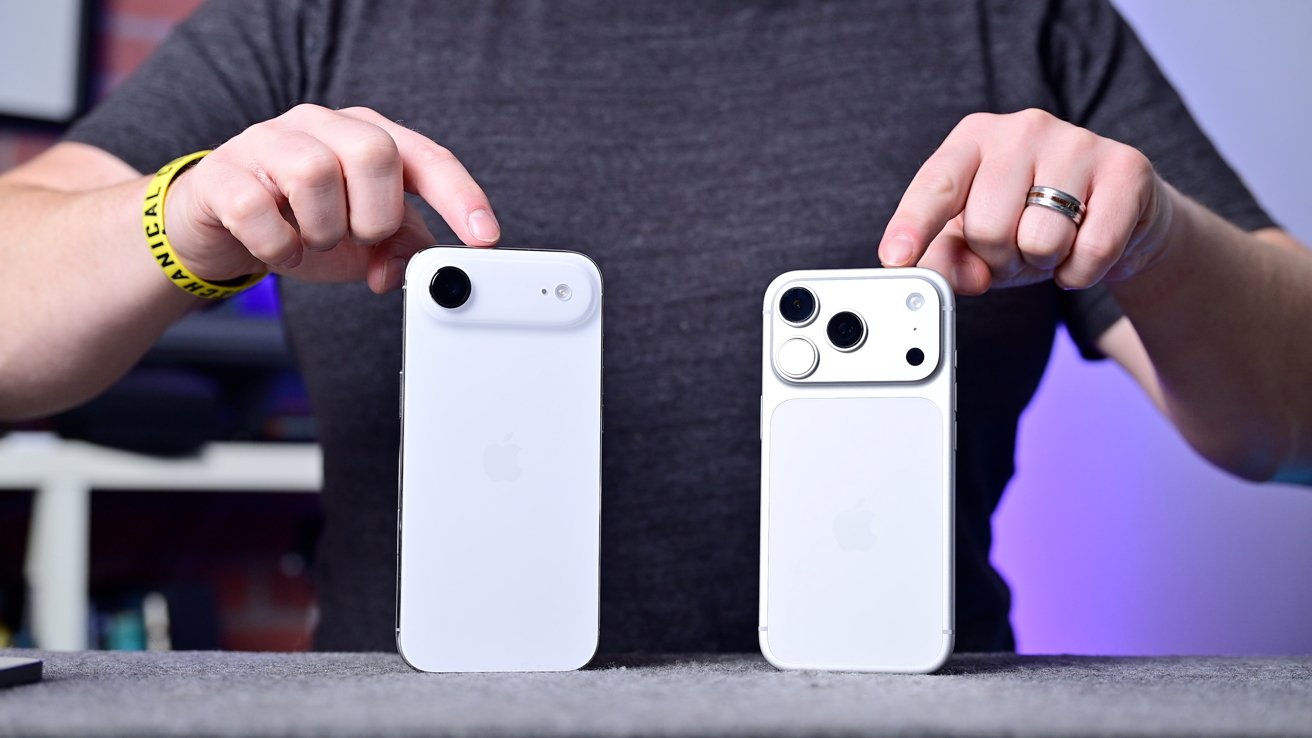
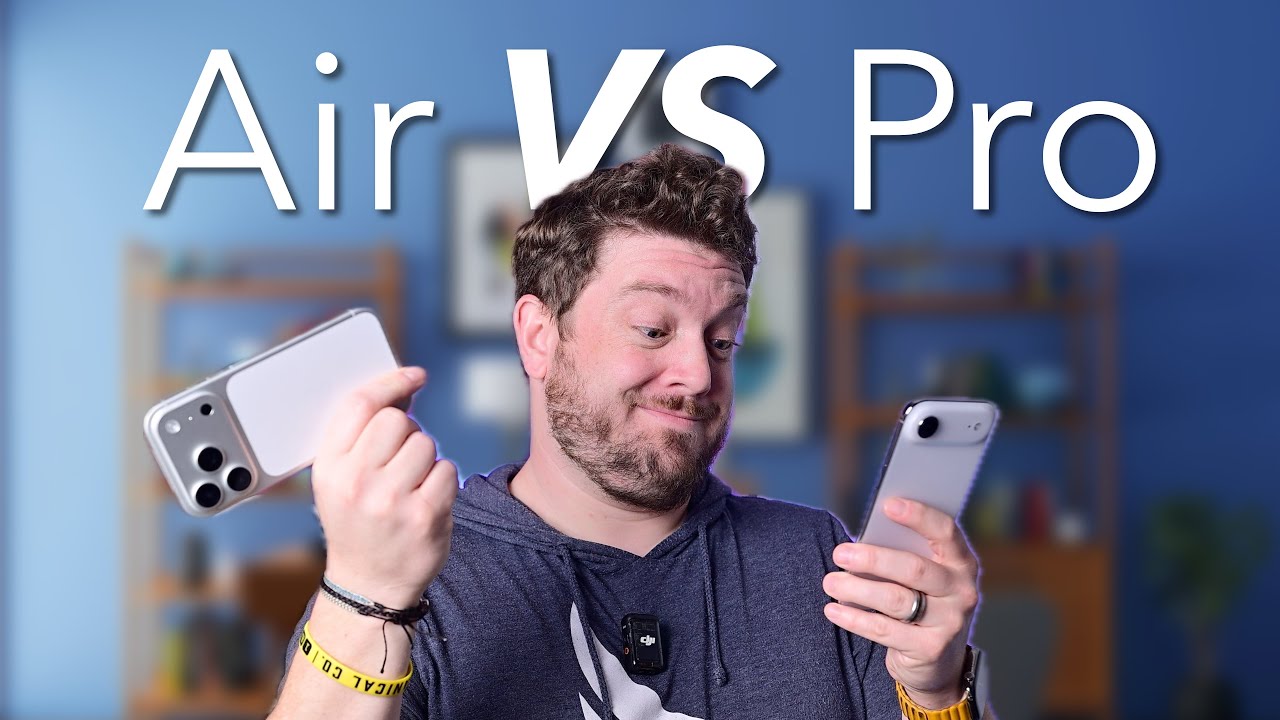
I've been using both iPhone Air and iPhone 17 Pro for more than two weeks. Let's dispel some common myths and give you a better idea of which model you should choose.
On launch day, I bought both the iPhone Air and the iPhone 17 Pro. Ahead of the launch, there were numerous opinions circulating, especially about the iPhone Air.
A huge number of people I spoke to who were actively choosing one phone or the other ultimately distilled that decision down to three central issues. While there are other differences and considerations to consider, I wanted to focus on these the most.
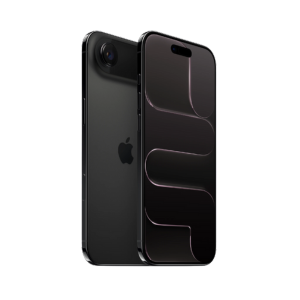
iPhone Air
The three issues I've gotten cited time and time again for buying the iPhone 17 Pro over the iPhone Air have been durability, battery life, and cameras.
Durability: The "bendgate" that never happened
The biggest concern I heard about the iPhone Air before launch was that it wouldn't be durable enough. Some people in the tech space were already reviving "bendgate" jokes before even holding one.
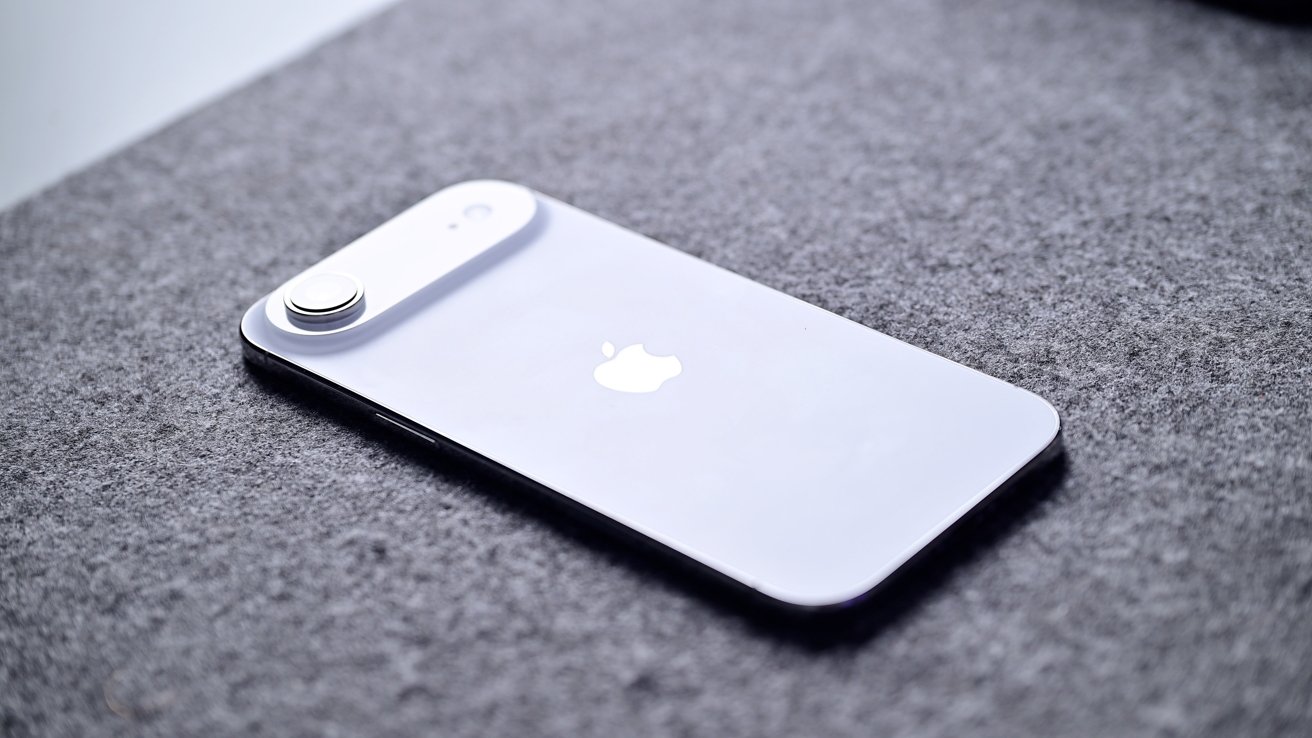
The iPhone Air looks and feels great
Even to this day, when I hand out the phone for someone to hold or try, they inevitably ask, "Can I try to bend it?" The thin nature leaves people to assume it's going to bend.
After using it extensively, I can confidently say: this thing's a tank.
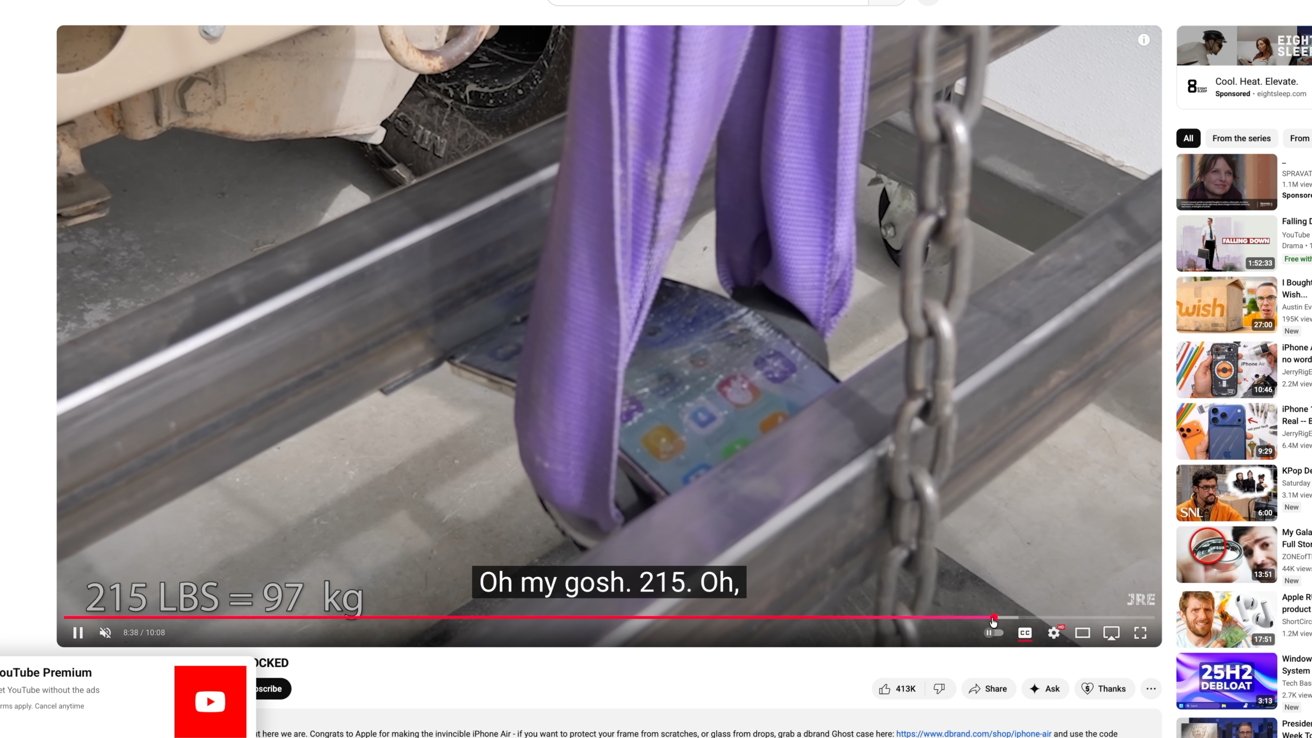
Internet-popular bend tests have shown how strong the iPhone Air is
Durability tests online back this up — JerryRigEverything now famously had to use a crane to apply enough force to bend the phone, and even then, the display still worked. Ahead of launch, Apple executives flippantly tossed it around on stage during interviews to prove the point.
The iPhone Air is the only model in the lineup made with a titanium frame, and it clearly holds up in real-world use. I have no worries about this bending, even in my back pocket.
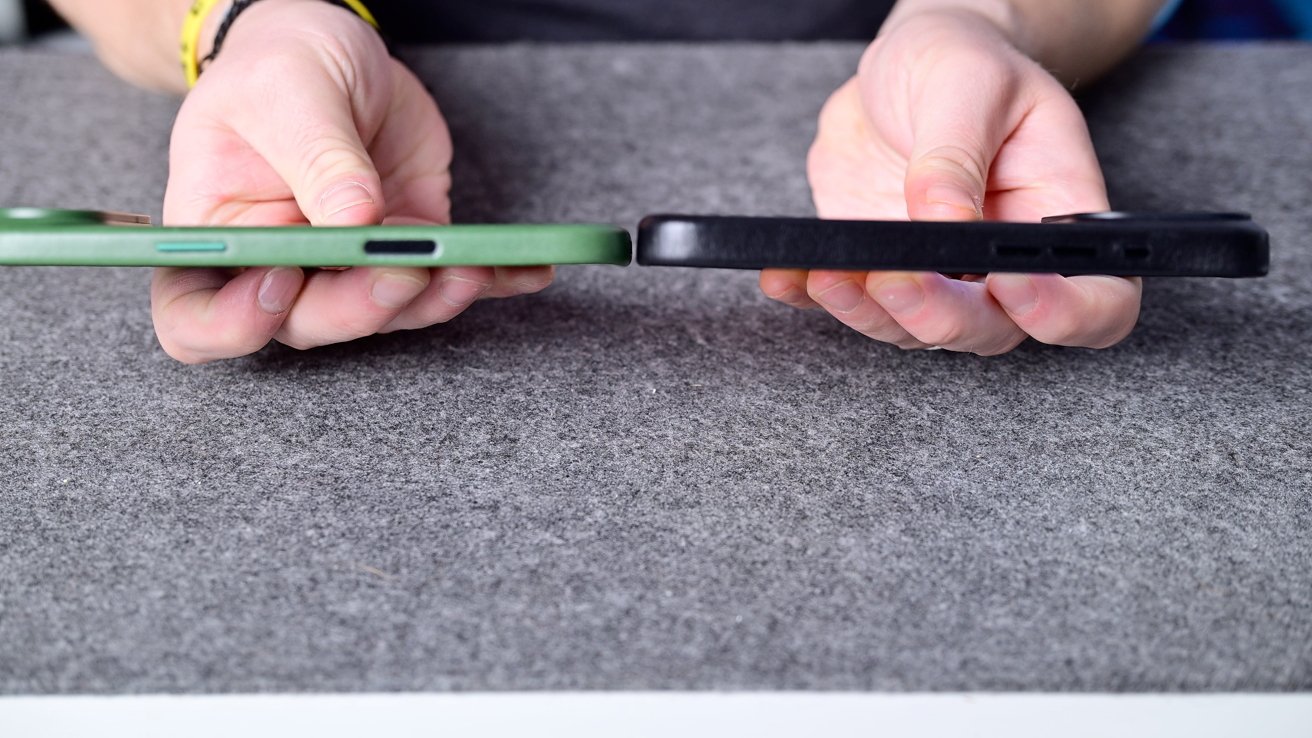
Both iPhone Air and iPhone 17 Pro in cases
Since we're talking about the svelteness, it is still thin when you put a case on it. An iPhone Air with most cases was about as thick as an iPhone 17 Pro without one, let alone with one.
The point is, the worry around bending was much ado about nothing. It's comfortable, sleek, and plenty tough for everyday life.
Battery life: Surprisingly strong
The next big concern was battery life. Apple rates the iPhone Air at 27 hours of video playback, which is the same as last year's iPhone 16 Pro.
Coming from an iPhone 16 Pro, I've found the battery life on the Air to be almost identical. Despite early criticism, I've been getting through a full day — and I'm someone who's constantly using their phone.
Of course, like most people, I have chargers everywhere: a MagSafe stand on my nightstand, one on my desk, and one in my car. I'm not going out of my way to charge the Air, but for daily life, I just don't have to think about it.
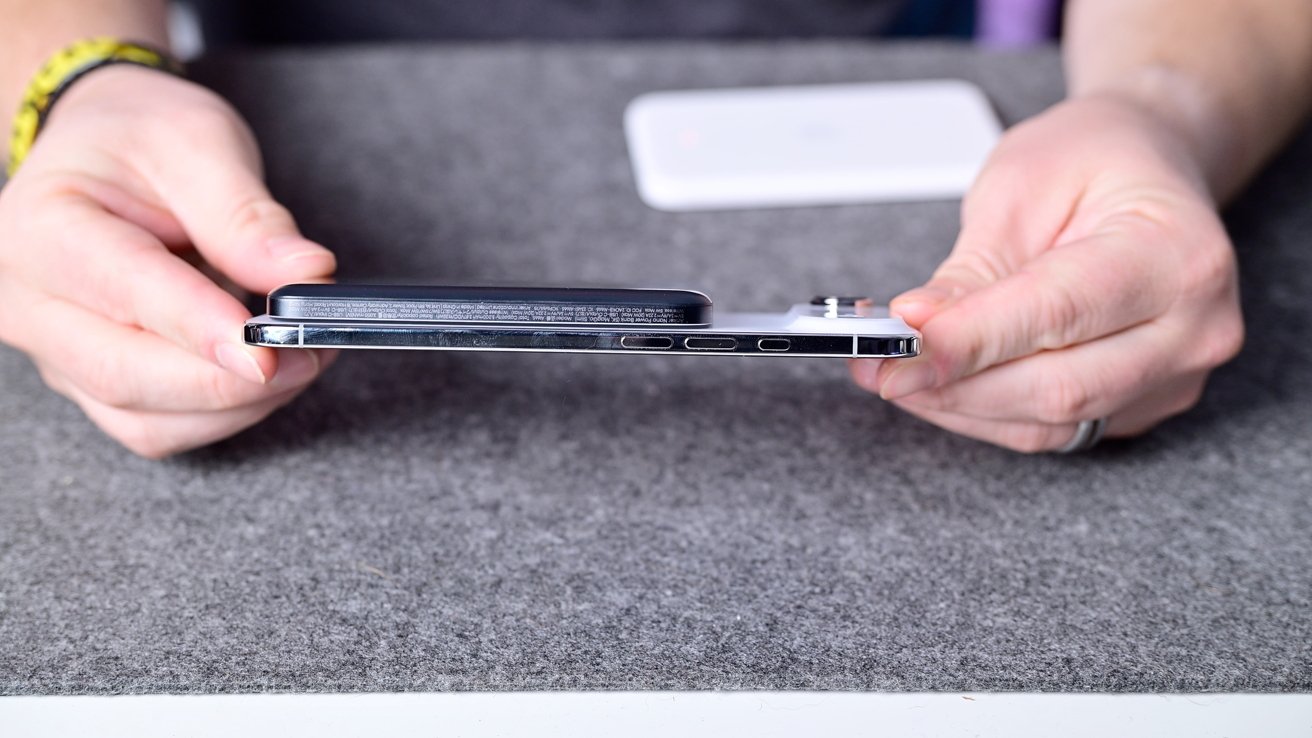
A MagSafe battery pack on the back of iPhone Air
If I know I'm going to have a heavy-use day away from chargers, I have a MagSafe Battery Pack at the ready. There are plenty of great options out there — from Apple's own (pricey) model to a smaller one from Anker.
No reason to burden myself with a hefty phone all the time when it isn't needed all the time. Plus, most of those batteries are very affordable now.
To me, it's a win-win. I get the light, compact form factor of the iPhone Air every day, and when I need more juice, I just clip on an extra battery.
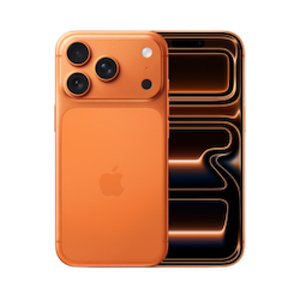
iPhone 17 Pro
Problem solved.
Camera: How often do you really use those extra lenses?
The last major difference — and the one that often decides the purchase — is the camera setup. This is the one that probably gave me the most pause.
The iPhone Air has a single 48MP sensor capable of 2X optical-quality zoom. That means it lacks the ultra-wide and telephoto lenses found on the iPhone 17 Pro.
But here's the thing: I don't think most people use those extra lenses nearly as much as they think they do. I wanted to prove this to myself, so I ran a little test.
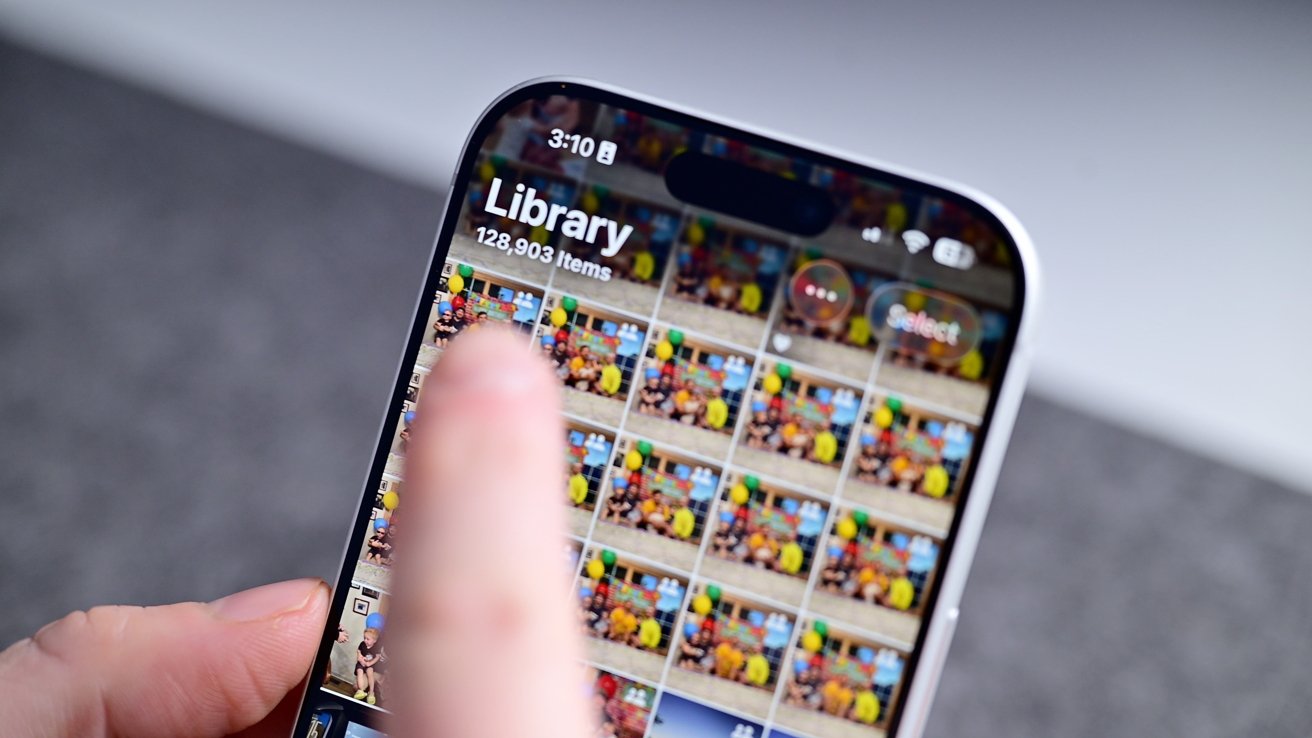
My Photo library has almost 130,000 images
I went through my own photo library — currently sitting at over 120,000 images, with 40,000 taken in the past two years. I created Smart Albums to see how many were shot using the telephoto or ultra-wide lenses.
Interestingly, I ended up capturing 367 ultra-wide shots and 270 telephoto shots in those two years. That's roughly 1.5% of all my photos during that time.
As I looked back at those images too, a huge chunk of those telephoto ones were from Apple events, which probably shouldn't even count. Even so, the use is small.
So even for someone who travels frequently, shoots tons of content, and has kiddos, those extra lenses don't make a massive difference in day-to-day use. I was still somewhat surprised at how underutilized those cameras were for me.
Obviously, I do use them, and that equates to several hundred shots I wouldn't otherwise have, but I feel good about not relying on them.
Which phone is best for you?
At the end of the day, there's no wrong choice here, assuming you tailor your purchase to your workflow and what you find important in a phone. The iPhone Air has proven itself to be far more durable and capable than early rumors suggested.
For most people, it's more than enough phone. If you need that extra power, versatility, or endurance, the iPhone 17 Pro still delivers on all fronts.
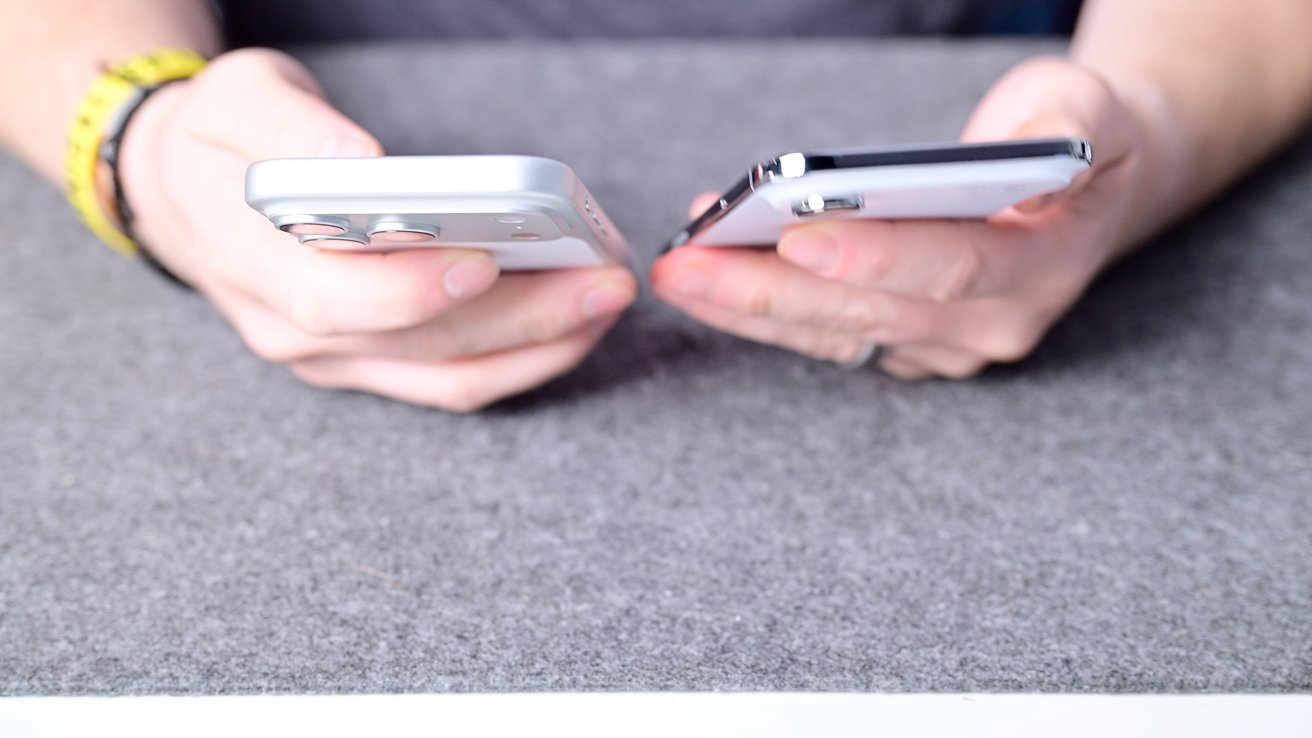
Both phones are amazing, but iPhone Air feels special
Personally, I'm loving the small phone life. Half the time, I forget the iPhone Air is even in my pocket as it's so light and comfortable.
Don't get me wrong, there are reasons to buy the Pro. Longer battery for those who travel, vapor chamber cooling for serious gamers or those doing more intensive work on their phone, like editing high-resolution photos or videos, all make the list.
There's also faster USB data speeds if you're importing or exporting data to external devices all the time, or even all the pro video abilities like GenLock or ProRes. Anyone who needs these features will know.
All I can say is that when they're both sitting on my desk and I reach to pick one up — I'm picking up the Air.