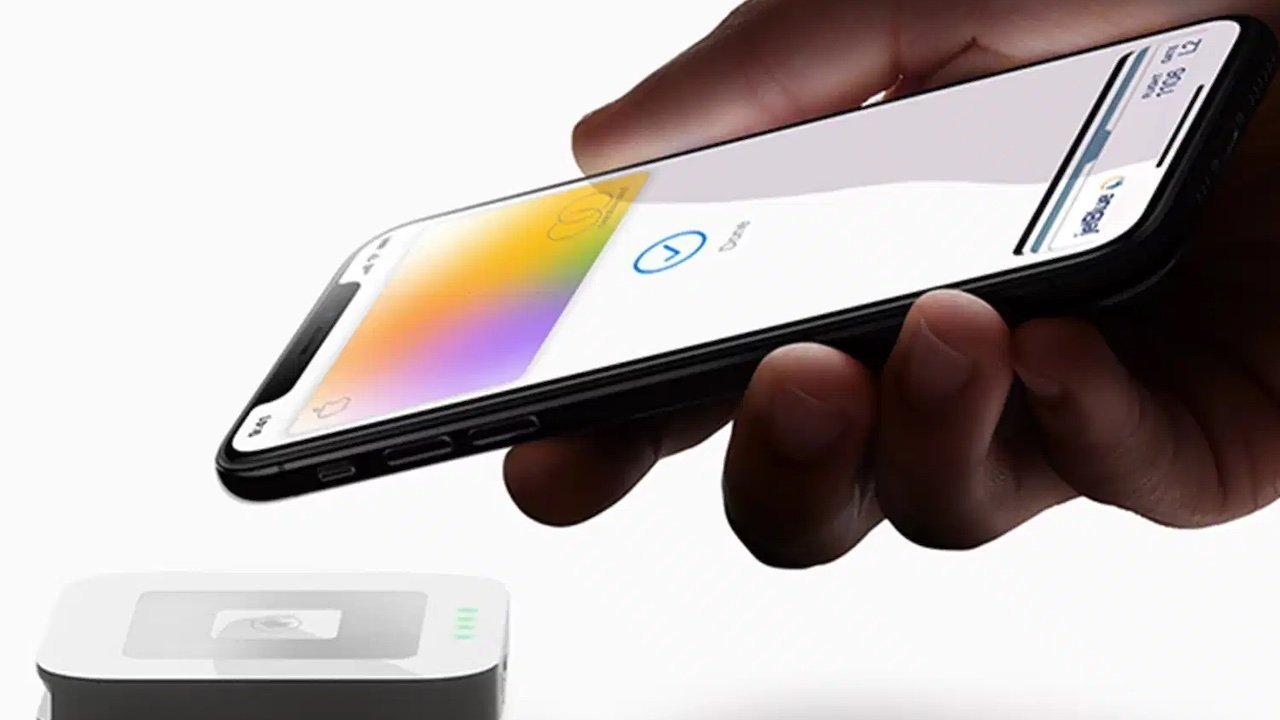
Apple has requested a Georgia judge to either send Fintiv's latest Apple Pay lawsuit back to Texas, or dismiss it entirely.
Apple filed its motion on October 27, 2025, in the Northern District of Georgia. The company argues that Fintiv's new trade-secret and racketeering claims are essentially a repeat of their previous issues.
These claims are based on the same technology and witnesses involved in their seven-year patent dispute in Texas. That earlier case, filed in December 2018, accused Apple Pay of using features from Fintiv's digital-wallet patent without permission.
Fintiv spun out of the Korean mobile-payment company CorFire, which once supplied technology to major banks. Its lawsuit, spotted by 9to5Mac, drew attention as one of the first Apple Pay cases to reach Judge Alan Albright in Waco.
Judge Albright is known for his fast patent docket and a schedule that often favors plaintiffs.
From patents to trade secrets
After years of litigation, Albright twice ruled that Apple Pay didn't infringe the asserted patent. Fintiv tried to amend its complaint in 2020 to include trade-secret and contract claims, arguing that confidential CorFire technology was shared with Apple during early Apple Pay development.
The court denied the amendment, and Fintiv continued with the remaining patent counts. In August 2025, just days before trial, Fintiv voluntarily dismissed the remaining counts.
Two days later, Fintiv filed a new lawsuit in Georgia. The complaint now describes the situation as a trade-secret theft and racketeering scheme, claiming Apple conspired with partners and former CorFire employees to steal payment technology.
Apple maintains that there's nothing new about this story.
Apple's transfer and dismissal plan
Apple's motion asks the Georgia court to transfer the case back to the Western District of Texas, where Judge Albright already built a full record. The company argues that both efficiency and fairness favor Texas, since most witnesses and documents are there.
It also notes that Fintiv previously fought to keep the patent case in Texas and insisted Albright was "the right judge." If the Georgia court keeps jurisdiction, Apple wants dismissal under Rule 12(b)(6).
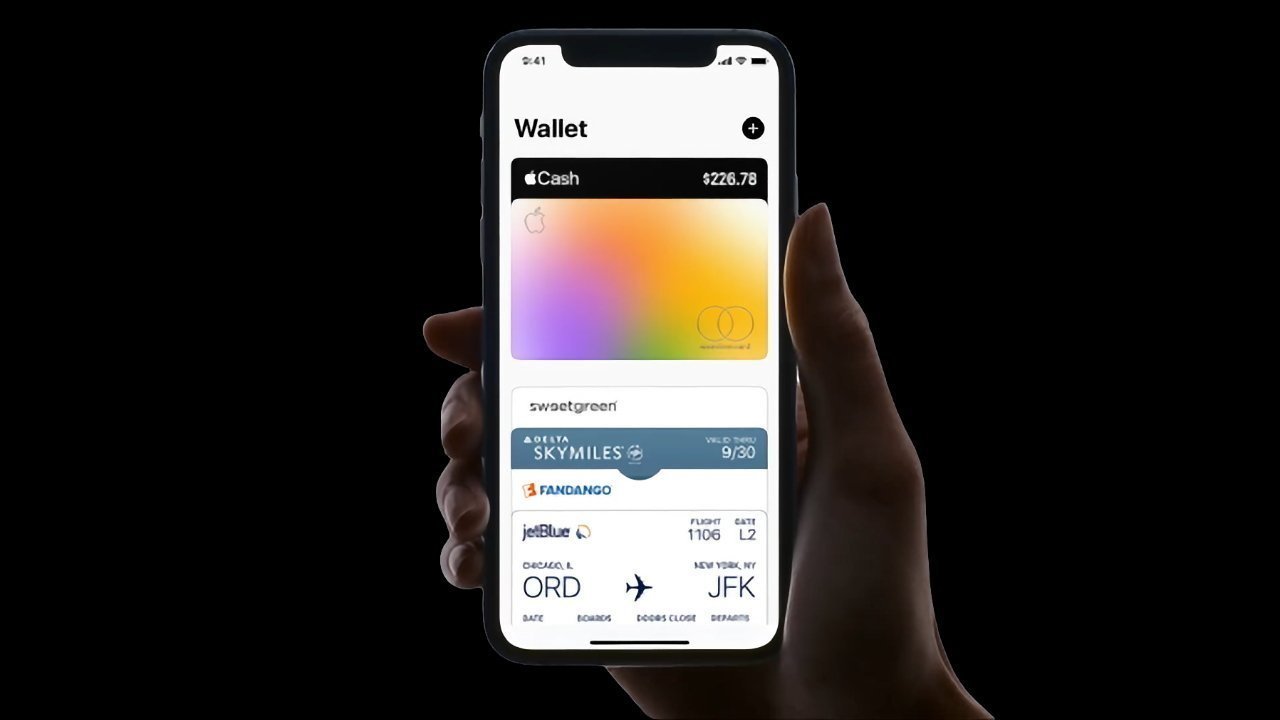
Apple Pay launched in October 2014, while the CorFire employees cited in Fintiv's complaint didn't join Apple until 2015.
The trade-secret and RICO claims are argued to be time-barred. The Georgia RICO claim is said to be preempted by the state's trade-secret statute.
Apple claims that Fintiv was aware of the underlying facts by 2020. That means the three to four year statutes of limitation expired well before August 2025.
The filing by Apple also notes that Fintiv was aware of potential issues early on. Apple pointed to CorFire meetings, hiring former employees, and Apple Pay's technical structure as evidence.
Too late, too broad
In 2020, Apple said Fintiv had already raised these facts in the Texas case. By the time Fintiv admitted in 2022 that they might support trade-secret claims, the statute of limitations had already expired.
Apple claims that the continued use of the alleged technology doesn't reset the legal timeline — and precedent is generally on Apple's side here. Apple also states that Fintiv's Georgia RICO count merely reiterates the same trade-secret allegations, which are preempted by state law.
Regarding the federal RICO count, Apple argues that Fintiv cannot demonstrate an "enterprise" or a "pattern" of criminal activities. It contends that the so-called "Apple Pay Payment Enterprise" is simply Apple's regular network of business partners.
Secrets that weren't secret
Apple's filing also targets the core of Fintiv's theory — the idea that the wallet functions at the heart of Apple Pay are proprietary. Apple says those functions were described years ago in Fintiv's own patent filings, which became public when the company sought protection.
Once disclosed, Apple argues, they can't be treated as confidential trade secrets. The motion also points to timing.
Apple Pay launched in October 2014, while the CorFire employees cited in Fintiv's complaint didn't join Apple until 2015. Apple says that timeline alone undermines any claim that their hiring influenced the design or rollout of the service.
Wider context and what's at stake
Fintiv's seven-year litigation campaign has been controversial. It became central to the debate over the Patent Trial and Appeal Board's "Fintiv rule." The rule allowed the U.S. Patent Office to deny inter-partes reviews when parallel lawsuits were active.
The rule drew heavy criticism from industry groups and was scaled back in 2024. Apple faces a broader strategic concern in this dispute. Apple Pay has grown into one of the company's most profitable services, and safeguarding its design history goes beyond any single case.
Apple maintains that it created the system independently, relying on its own patented architecture. The design includes the Secure Element chip, which stores encrypted card data directly on the device.
Case still idle
For now, Fintiv hasn't even served Apple with the Georgia complaint. That means the case hasn't formally begun, and Apple's motion may end up moving it forward before Fintiv does.
If the court agrees to transfer the case, Judge Albright might handle it again. He has already ruled twice that Apple Pay didn't infringe and knows both sides' arguments well.
If the court keeps the case, it will decide if Fintiv's new claims can withstand Apple's motion to dismiss.
What comes next
The Georgia court will now determine where the case belongs and whether it can proceed at all. Given Fintiv's timing, Apple's confidence, and the overlap with the Texas record, most of the key facts are already on file.
Unless Fintiv presents new evidence or files a timely claim, Apple seems ready to end a decade of Apple Pay litigation that started seven years ago in Waco. For now, the case continues in Georgia.