
Japanese iPhone owners are able to start using alternative app storefronts on their devices, as the first iOS 26.2 developer beta grants permission for them to be installed.
The Japan Fair Trade Commission will start to enforce the country's new Smartphone Act rules in December, forcing Apple to make changes to its software policies. It now appears that Apple is publicly testing one key change in preparation for rule enforcement.
iOS 26.2 Beta 1
— (@Tzzlala) November 4, 2025
AltStore PALEpic Games Store pic.twitter.com/292ncTZrKJ
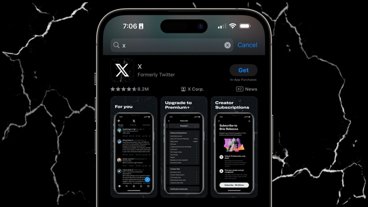
Social media posts on X by "@Tzzlala" spotted by MacRumors indicate that iOS 26.2 beta 1 allows users to install alternative app stores in Japan. This includes the AltStore PAL and the Epic Games Store.
The inclusion in the developer beta makes sense, as Apple needs to test the software changes before a public release. With the latest generation of developer betas in its early stages, this seems to line up with a December release to the public of iOS 26.2, complete with the new feature.
The change means consumers in Japan will be able to acquire and install apps on their devices through other sources, not just the App Store. Japan joins a small but growing group of countries that require this, which includes the 27 EU member states.
The act will go into full effect on December 18, 2025.
A raft of changes
Following Europe's push for the Digital Markets Act, the Japanese government indicated in 2023 that it wanted to be next to force major tech companies into abiding by pro-competition rules.
By 2024, the bill was being debated by the Japanese Parliament, and by July 2025, the Japan Fair Trade Commission had created a framework that Apple and Google had to abide by.
This included allowing third-party app storefronts to work on iPhone, as well as allowing for the use of alternative payment platforms for iOS app transactions. For the App Store, Apple would be prevented from favoring its own apps or services, with users also able to choose the default apps for their hardware.
Apple and Google also cannot benefit from any collected data that it would not otherwise supply to third-party developers.
The rules also cover elements such as access to operating system functions and controlled hardware. That list includes everything from speakers and microphones and location measurement functions, to data communication and biometric authentication.