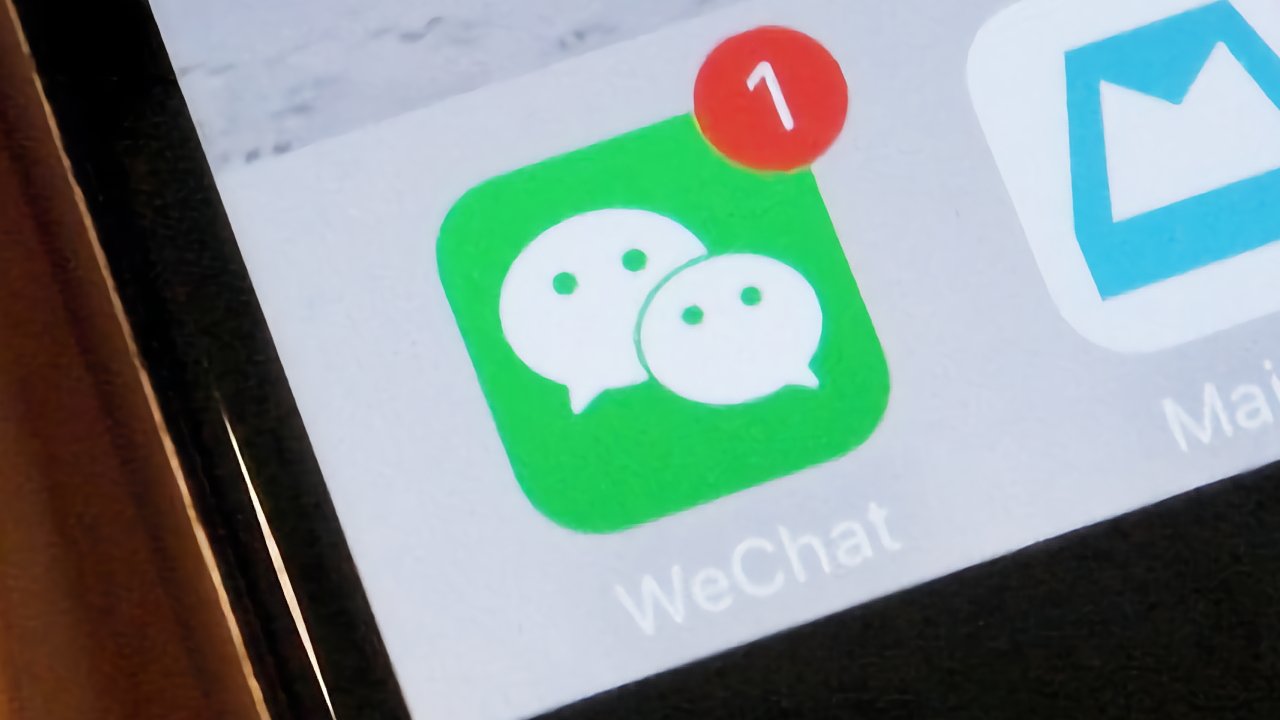
Following Apple's moves to get much more cash from apps embedded in China's WeChat, the company has issued a Mini Apps program for the App Store worldwide.
A Mini App is a game or any other small app that isn't sold on its own, but instead is accessed via a so-called super-app. In theory this could be any super-app, and Elon Musk wants to turn Twitter into one, but in practice it means China's WeChat. Up to now, Apple has not been able to charge Mini App developers anything because they aren't on the App Store.
Apple has subsequently issued new developer guidance for what it is calling its Mini Apps Partner Program. The documentation stresses that Apple has supported such apps since 2017, but it's all about how developers can now opt in to the new system.
So developers can continue to run on WeChat without Apple's involvement. But with Apple, those developers get what the company calls "an improved customer experience."
It means that it will be quicker and more straightforward for users to select and buy a Mini App than before. Or it is, if developers sign up to the program — and if they qualify for it.
To qualify, Apple says that developers must agree to certain requirements. As previously reported, that includes complying with its Declared Age Rating API for providing age-appropriate features.
They must also, though, use Apple's Advanced Commerce API and In-App Purchase system. Plus they are required to report information that is needed when users ask Apple for refunds.
In these respects, developers effectively have to treat Mini Apps the same way they would regular apps that exist outside of super-apps like WeChat. Apple does spin the figures a little, though, choosing to say that such developers get 85% of revenues, rather than that it takes a 15% cut.