The Supreme Court could now weigh in on the Apple versus Epic case where Apple was found in contempt of an injunction and forced to allow all developers to link externally without commission.
The Apple versus Epic saga is nowhere near an end even if Epic is celebrating a victory prematurely. Even as the case returns to Circuit Courts, Apple is requesting the Supreme Court to review two specific issues it has with the proceedings so far.
In the Supreme Court filing viewed by AppleInsider, Apple shares that the scope of the anti-steering injunction exceeds the District Court's limits set by CASA. It also argues that the injunction violation was issued in error due to suggesting it was violating the "spirit" of the law rather than the letter.
Its arguments in the 34-page filing suggest that the Supreme Court should take up these matters because Apple's is a perfect vehicle to address these issues. Apple asserts that providing a decision would settle matters for future cases, and if left untouched, could cause the CASA verdict to be a dead letter.
Basically, Apple hopes that there are enough discrepancies to ensure the Supreme Court at least picks up the case. In the meantime, Apple will continue its proceedings with Epic in the lower courts.
The story so far
Epic sued Apple in 2020 on antitrust grounds, but Epic lost on every count except one. That count pertained to Apple's anti-steering practices.
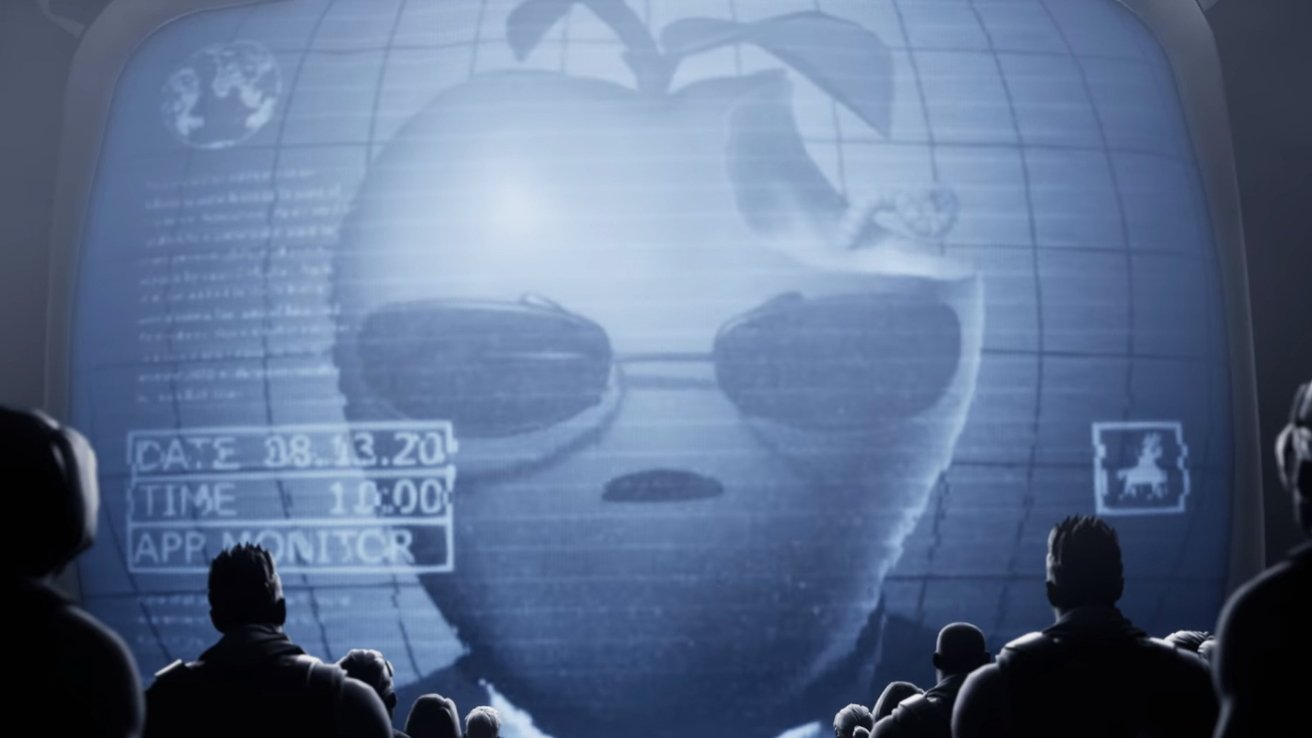
Epic's '1984' parody ad
Apple removed the anti-steering provisions and provided a new, if complex, way for developers to link to external purchases. It meant developers still owed Apple a commission, 12% or 27%, even if it directed customers to the web.
Even though Epic filed the case and it wasn't a class action, the injunction was applied to all developers based in the United States. Apple clearly planned to appeal that point even then, but then things were made more complicated.
Epic filed a complaint, which resulted in Apple being found in contempt. However, the original injunction didn't mention anything about Apple's commission, and the violation was argued in spirit.
Various appeals and arguments later, and Apple has been told it is owed a commission, even on external links. The problem is, Apple would have to come back to court and decide on the commission rate with Epic.
That's how the case has arrived at the Supreme Court. And even though Apple tried to get the proceedings halted in the lower courts, twice, it must now face both at once.
Apple's arguments
The foundations of Apple's arguments appear to be sound. The courts do appear to be ignoring the precedent set by CASA.
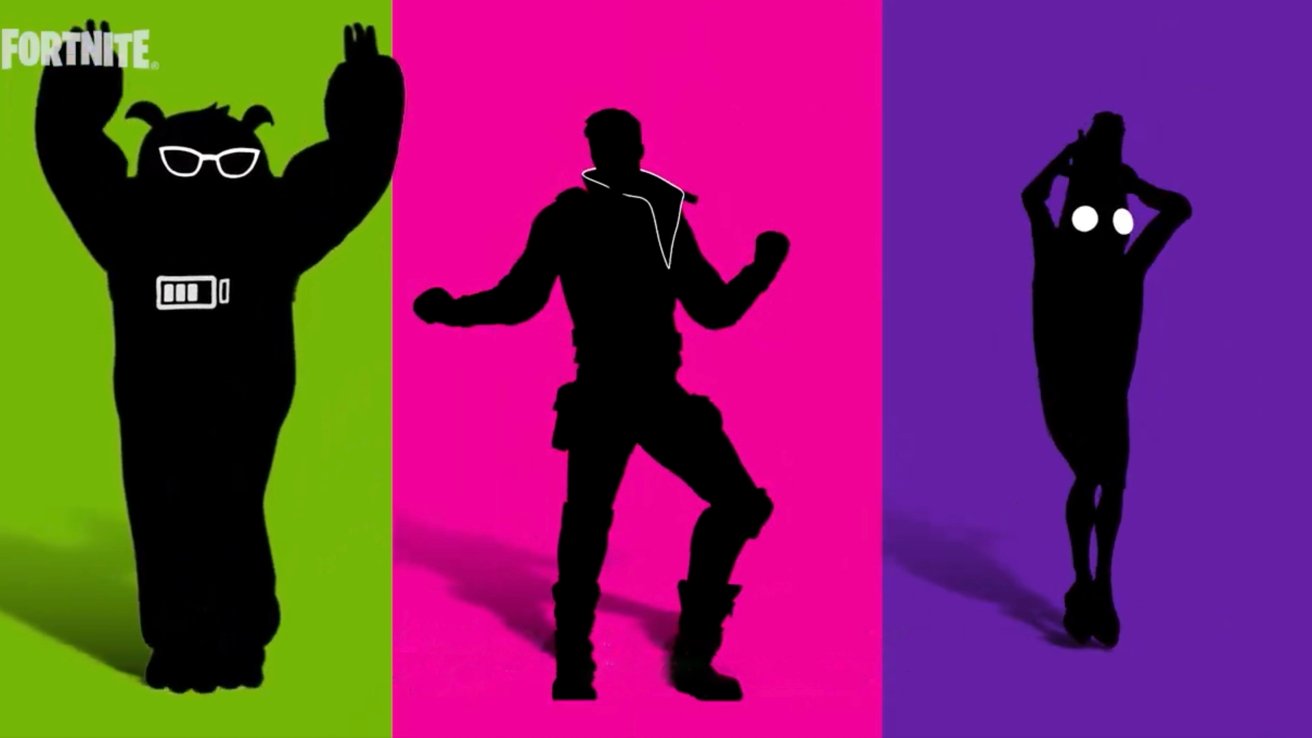
Epic's iPod-like ad
The Supreme Court ruled that lower courts were exceeding their jurisdiction by applying injunctions outside the scope of a case. However, the 9th Circuit has argued that there is an antitrust exception to CASA that would allow the decision in Apple's case to stand.
Apple believes very strongly that this effectively bypasses the Supreme Court's ruling and authority. That's why it said it would render the CASA case a dead letter.
The other argument also has to do with how the 9th Circuit does business. Apple argues that in the other Circuit Courts, civil contempt is applied only if the letter of the law is violated, not the spirit.
Even if you don't care about any of this legal back and forth, it is still incredible that the Epic Games lawsuit has reached this point. It started with a "1984" parody ad starring an apple wearing sunglasses and could finish with setting incredibly important precedent via the Supreme Court.
If Apple wins the "in spirit" portion of its arguments, Apple gets to carry on with its previous 12% and 27% commission rates for external linking. It would also mean proceedings in the lower courts would return to appeals stages.
If the universal nature of the injunction is thrown out, then only Epic will be affected by Apple's move away from anti-steering practices. It would mean a total and abject failure of a case that cost Epic over a billion dollars already.
Apple has requested that its petition be considered during the Supreme Court's June 25 conference. Perhaps Epic's CEO should hold off on celebrations until after that date.