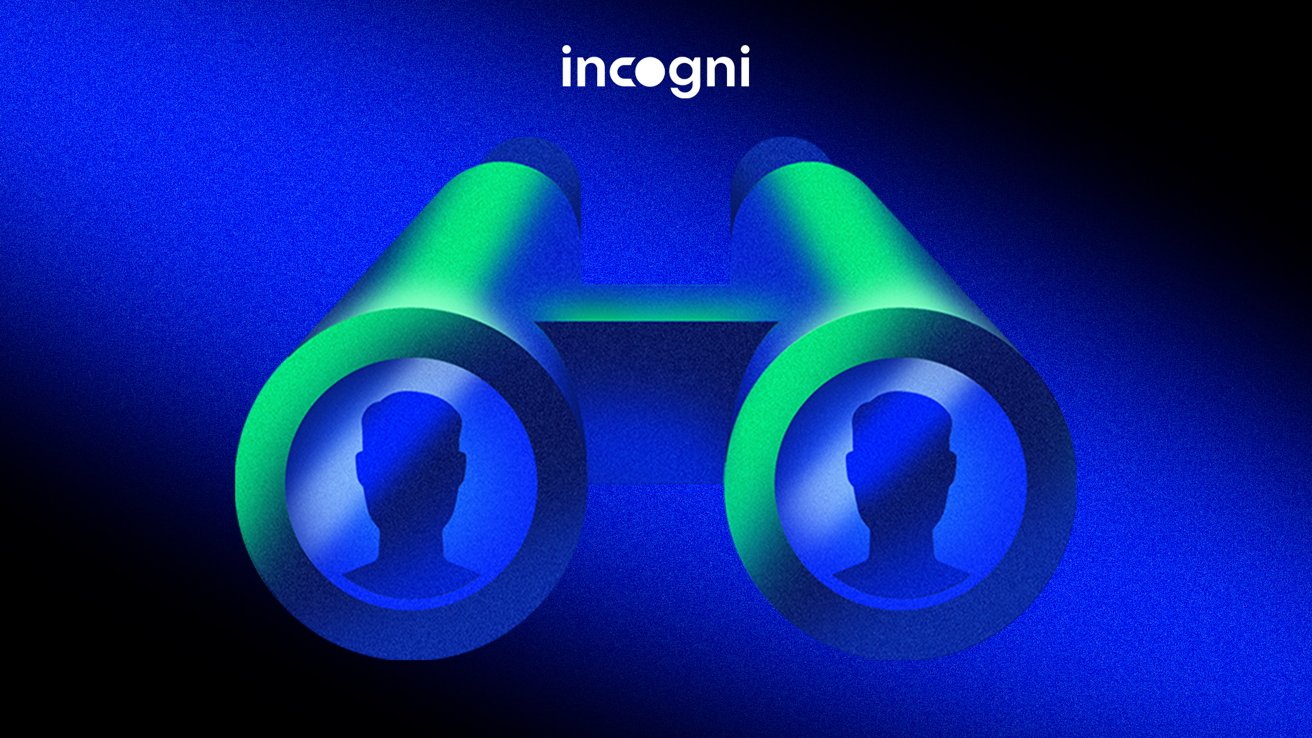
The more personal data about you that's online, the harder it gets to avoid scams, bad actors, and threats to your private information and identity. Here's how to remove your data from the internet with Incogni.
The data broker industry is built around finding and hoarding user data in order to profit from it in some way. They'll sell personal information like your name, number, email, address, and more to the highest bidder, even if it's one just trying to spam you with junk.
Though the threat goes much deeper than inconvenient annoyances, as data hoards like these are also a big target for bad actors. A breach can lead to your data ending up in the hands of someone who wants to steal your money and/or identity.
Save 55% with code APPLEINSIDER55
Not all is lost — users can fight back against data brokers, people search sites, and bad actors by taking control of their data. First, proper online data hygiene goes a long way in preventing data from getting out there in the first place, and then there's Incogni, which can remove your personal information from the internet.
Data brokers collect every bit of data they can get from any resource. Social media, email lists sold cheaply by shady websites, and data dumped from larger breaches.
Incogni offers a data removal service that searches people search sites and data broker databases for your sensitive personal information. When your personal data is found, a request is put in to remove your data, and then requests continue until the data is deleted.
Understanding data brokers and their role in data hoarding
Data brokers come in many shapes and sizes, and Incogni keeps a database of them to make searching for your personal data easier. While they're not inherently evil, they're not always operating with people's best interests in mind.
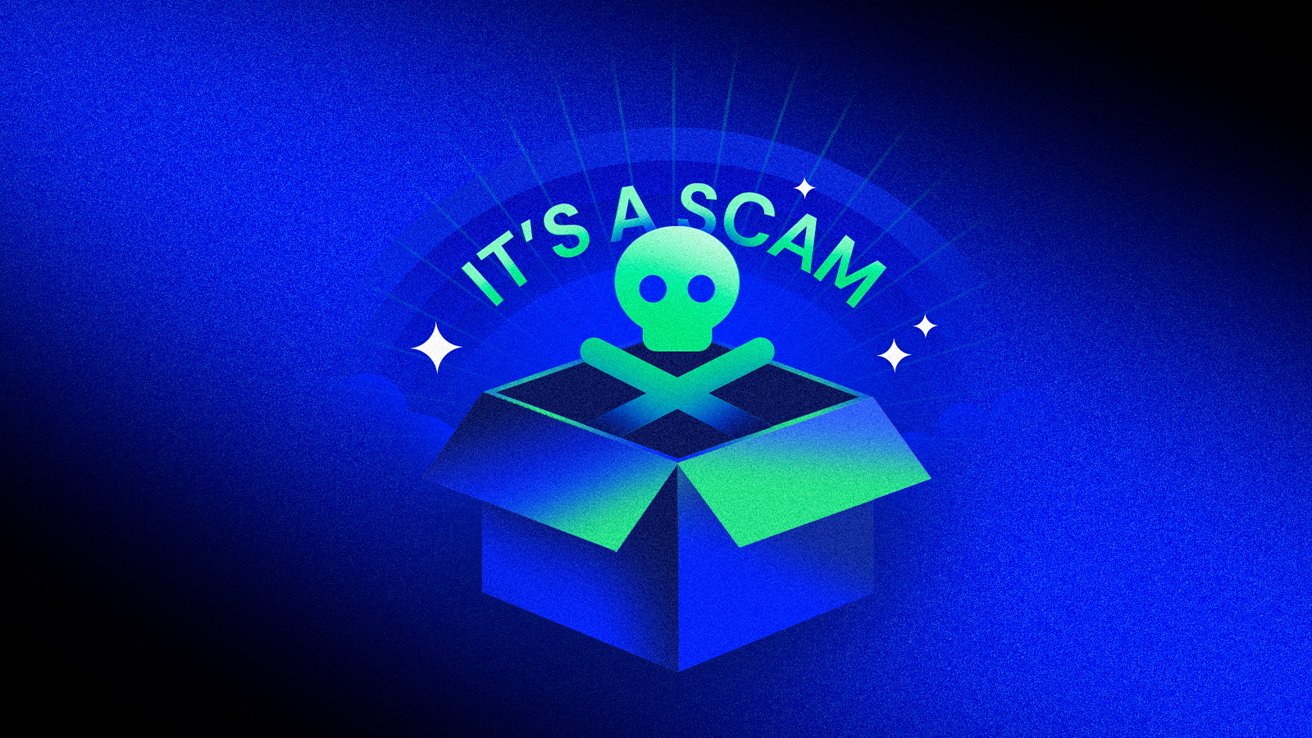
Data brokers can get data from social media accounts or even other data brokers. Image source: Incogni
Marketing data brokers are ones that gather user browsing habits, purchase history, and more to help companies serve web ads. There are also data brokers dedicated to health information, job recruitment, your financial history, criminal history, and basic background information.
On the surface, it may seem like gathering this mass of data that you yourself have shared into a single space isn't too bad. You may even appreciate a well-targeted ad or job offering, but with the good comes the bad.
Just because these for-profit entities operate on the up-and-up for the most part, it doesn't mean your data can't be used to harm you. While the biggest risk is data breaches leading to your hoarded data falling into the wrong hands, there's also the practice of profiling users and changing business practices based on your data.
Your ability to get some loans could be impacted by online data collection. Some jobs could reject your application because of a data broker's info on you.
Regain a sense of privacy and take control of your personal information online. As we've said, that's done with two simple steps.
Reduce your digital footprint with proper internet hygiene
The best way to battle having too much information online is to not share it in the first place. While sharing data is inevitable as an internet user, we can be more conscious of what we share, when, and with whom.
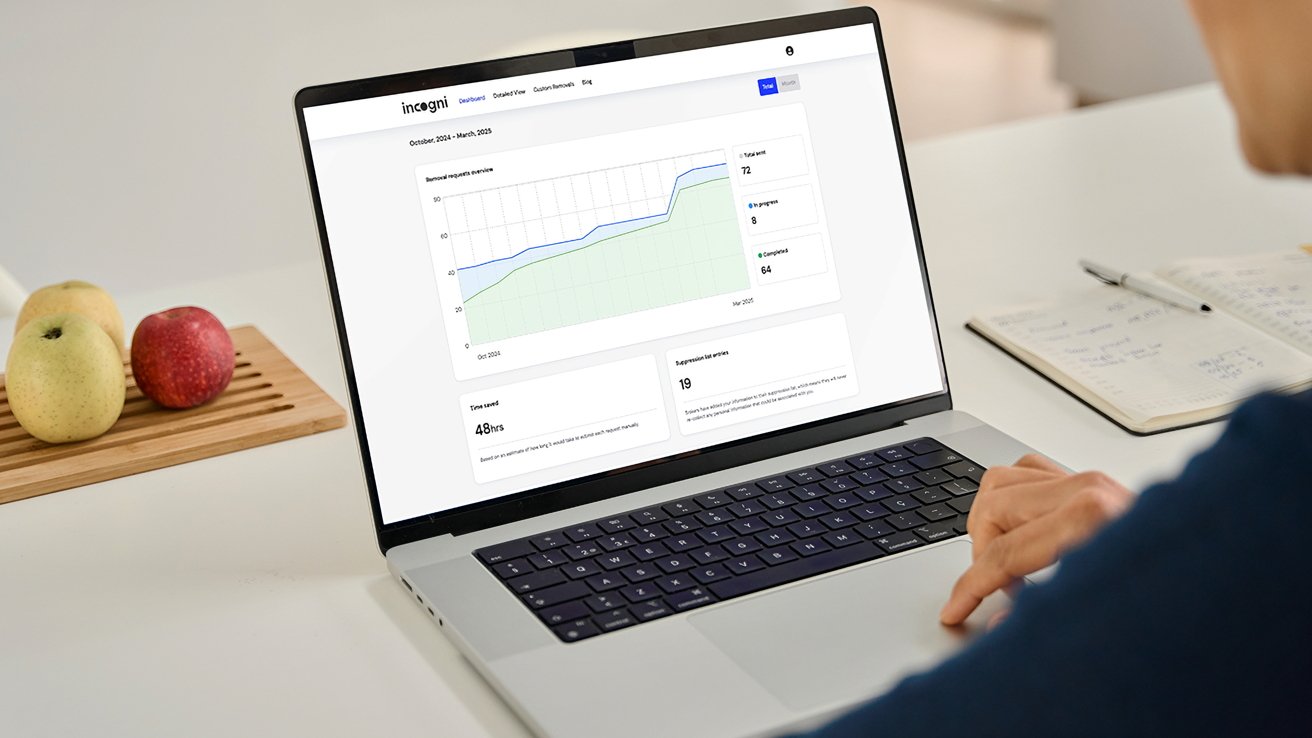
Users sharing personally identifiable information is how it gets out there in the first place. Image source: Incogni
Social media use should be kept to a reasonable minimum. There's the obvious stuff like not sharing vacation days so people don't rob your house, but maybe also avoid sharing every intimate detail of your life.
Phishing scams and identity theft can become quite easy when you know everything about a person. A lot of scams rely on tricking a loved one, for example.
It also helps if you keep from sharing your credit and debit card with every storefront you come across on the web. Stick to known and trusted sources, and if you must make a purchase from a less reputable site, use a temporary card number or preloaded card.
Sometimes you can simply anonymize yourself completely by sharing a fake identity when using a real one isn't necessary. There are services like Surfshark's Alternative ID that let users generate entire personas to fill out a profile.
A little awareness goes a long way. By being mindful of what you say or what photos you share, you can keep data brokers from getting too much data about you.
There's also the option to use content blockers and Apple products to help prevent aggressive trackers from following you. Some email clients will help too, by not reporting if an email is opened, for example.
How Incogni can help with its data removal service
There's not much point in cleaning up a mess when the damn has still burst, so ensure you're practicing proper data hygiene first. Now you're ready to recruit Incogni, which has an automated data removal process that targets everything from your favorite search engine to many data broker sites.
Let Incogni help reduce your online footprint. Image source: Incogni
Legally speaking, you're able to request data removal from almost any website or service, with only a few restrictions. The only time such a request can't be followed is if it has to do with public records, government databases, social media, blogs, or free speech.
However, if you were to go to everyone in the data broker industry, Google search, people search sites, and more, you'd spend your entire life litigating for your data removal. Instead, rely on Incogni to request removal of your personal information from the internet.
It is an automated system with a database of over 270 data brokers it contacts automatically. There's also a premium Custom Removal feature that can remove data personally requested by the user as long as it doesn't fall into the restricted categories mentioned before.
Here's how the process works:
- Sign up for an Incogni account and provide permission for the company to act on your behalf.
- Incogni scans people search and data broker sites for your data.
- Removal requests are sent, then resent until something is done.
- Repeated scans prevent websites from re-adding data about you.
- Lists of data brokers, people search sites, and more are updated regularly so Incogni can stay on top of things.
- If a data broker appeals a removal request, Incogni handles the appeal for you.
If you sign up for an Incogni Ultimate subscription, you'll get this same process, plus even more automated data removal. Also, you'll be able to make Custom Removal requests based on data you've discovered in various locations outside of Incogni's usual purview.
Reduce your worry about identity theft and other bad actor threats by removing personal details from data broker websites, search results, and more. Removing sensitive data gathered from online accounts will also help reduce spam calls, unseemly Google search results, and other online privacy invasions from occurring.
Save up to 55% on Incogni personal data removal service
Stop your personal info from being bought, sold, and abused with Incogni. AppleInsider readers get 55% off Incogni today with code APPLEINSIDER55. The provider offers a 30-day money-back guarantee and you can cancel anytime.