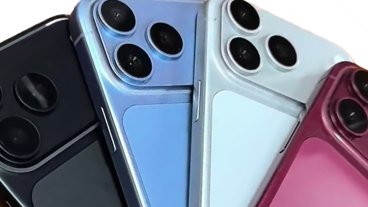
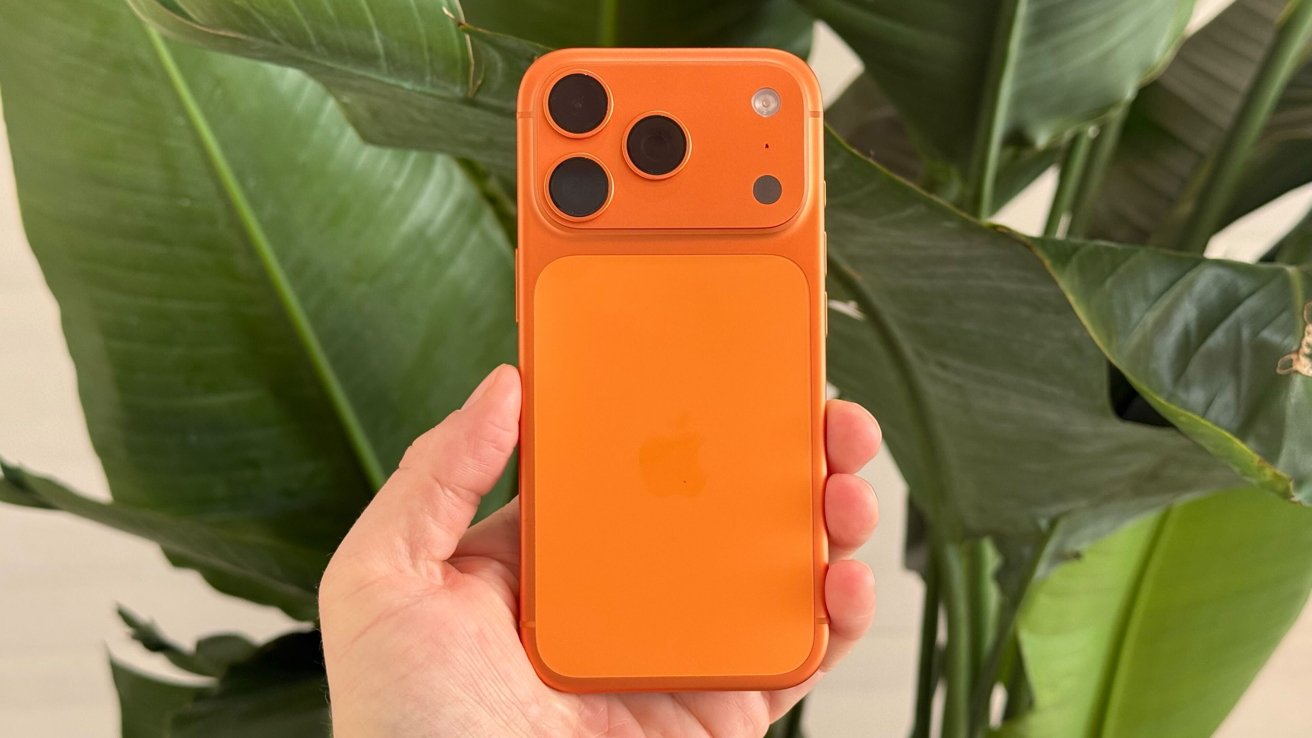
A new MLS Cup broadcast will use four iPhone 17 Pro units alongside professional cameras, making Apple's slogan a reality in live sports.
The phones will feed directly into the league's 30-plus camera production during the Inter Miami vs. Vancouver Whitecaps final. The setup shows how far iPhone imaging has come and why Major League Soccer (MLS) is willing to treat a consumer device as a broadcast-grade tool.
Professional sports broadcasts rely on large-sensor cameras that handle motion, low light, and color consistency under pressure. Phones rarely appear in these environments because latency, thermal limits, and dynamic range can break a live show.
Although smartphones have appeared in limited broadcast roles before, they were usually used for behind-the-scenes footage or as emergency stand-ins. They weren't part of a planned camera array for a championship event, and they didn't feed partner networks in real time.
MLS is innovating by incorporating multiple phones into its main production workflow. These iPhones are now seen as intentional and dependable camera positions.
The production trusts the iPhone 17 Pro to deliver clean, low-latency video that matches the rest of the rig. The devices aren't replacements for the main cameras, but they are good enough to hold a place in the array without distracting viewers.
How the phones are deployed
The league will position one iPhone as a high end-zone camera behind the goal. Another sits in the supporters' section for crowd-driven POV. Two more roam to capture reaction shots from fans and coaches.
Each phone feeds into the same switching system as the broadcast rigs.
Whenever a phone feed goes live, a small "Shot on iPhone" tag appears on the screen. It turns a campaign normally found on billboards into an inline production element that lives inside the match itself.
Apple's ProRes pipeline and stabilized lens system give the phone enough headroom to survive broadcast demands. The hardware supports wireless transmission with latency low enough for real-time cutting.
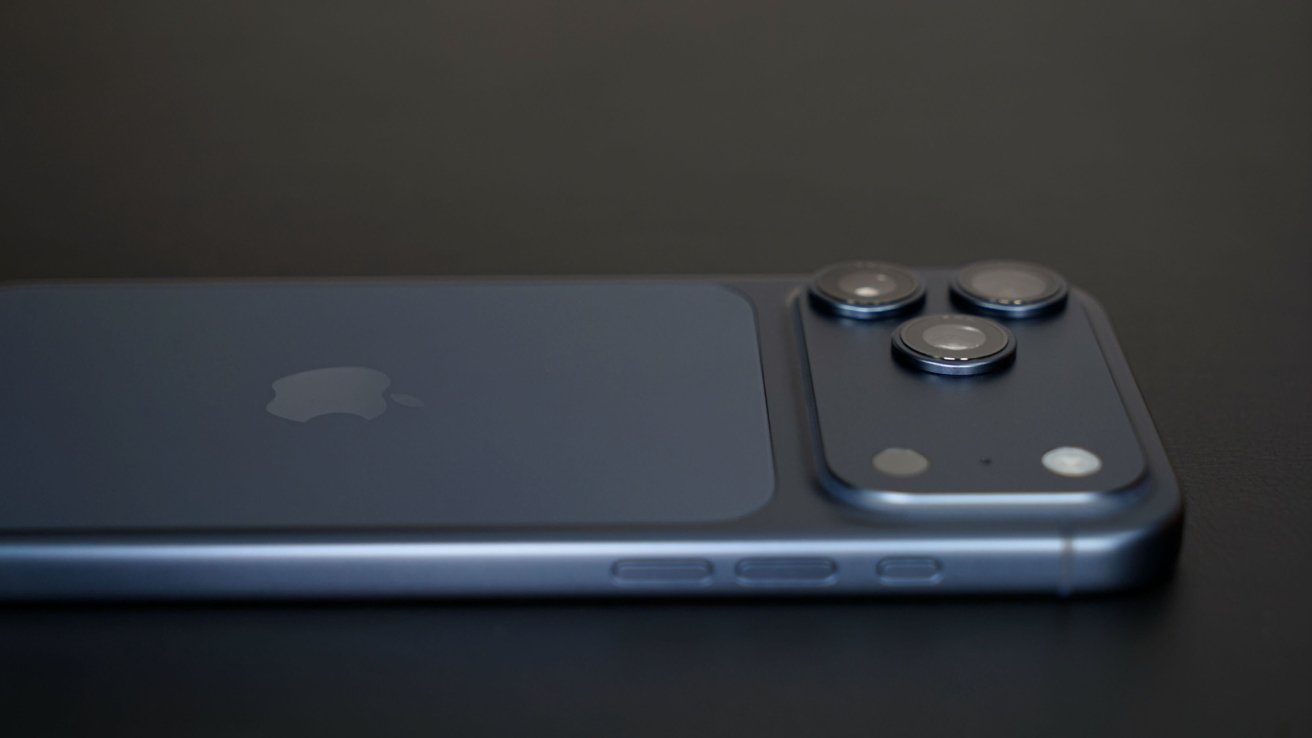
iPhone 17 Pro Max
The phones also offer placement flexibility, letting MLS get angles that would be difficult with bulkier cameras. These shots work because the iPhone's color pipeline can be matched to the broadcast cameras without jarring shifts.
Motion handling and noise performance are now so advanced that viewers won't notice hardware differences. You'd have to look for the "Shot on iPhone" tag to spot any distinction.
MLS and Apple tested the workflow for months before committing to the final. Engineers validated latency, heat behavior, color matching, wireless stability, and sync.
The league committed only after the phones behaved predictably in stadium conditions with thousands of devices on the network.
What it means for future broadcasts
Other leagues will watch the experiment because mobile cameras offer new perspectives at relatively low cost. Broadcasters get more flexibility, while Apple gets another way to show that the iPhone is a professional tool.
MLS Cup becomes a proof point that mobile imaging is not just serviceable, but good enough to enter a high-stakes broadcast without breaking the show. It suggests a future where "Shot on iPhone" evolves from branding into a real production credential.