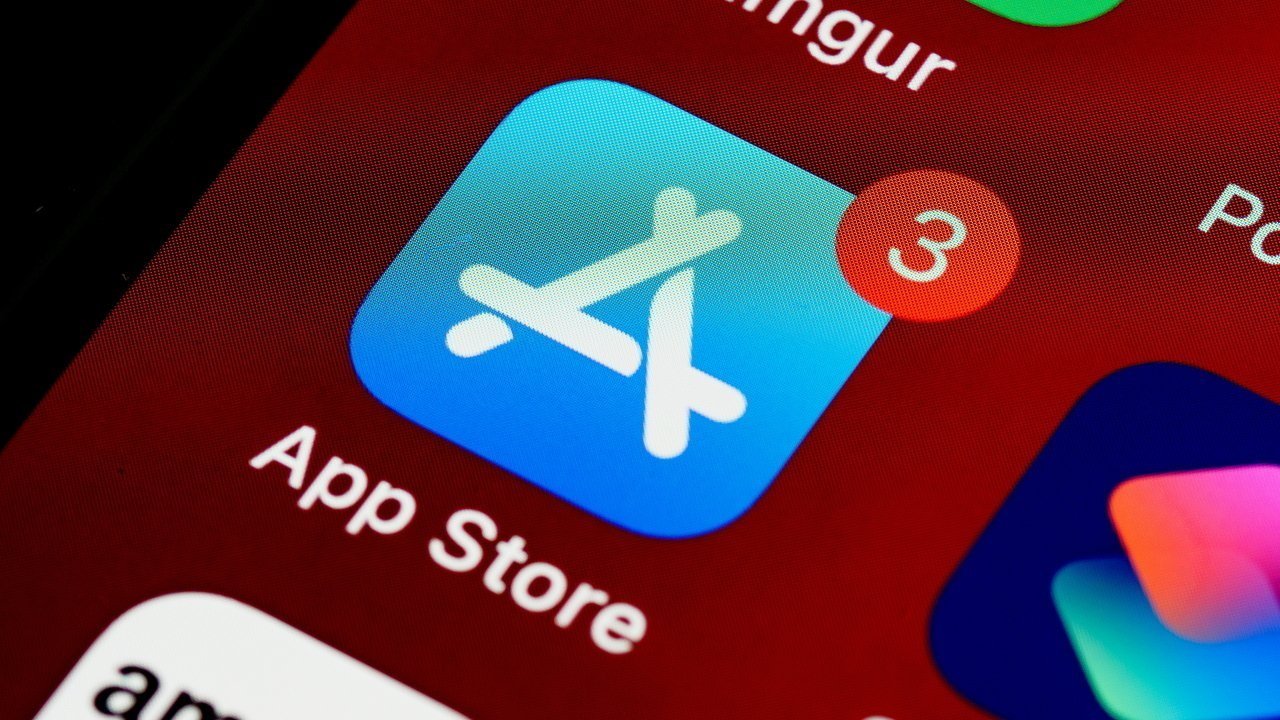
An App Store antitrust case that has been running for more than a decade, may be revived as a US appeals court says it will reconsider a previous ruling that saw the class action dismissed.
This latest move is specifically to reexamine an October 2025 decision by Judge Yvonne Gonzalez Rogers to dismiss a class action suit. The suit was originally filed in 2011, accusing Apple of overcharging App Store users.
In just one example of how this particular case has had a tortuous route through the legal system, in 2024, Judge Rogers allowed it to be a class action — after ruling in 2022 that it could not be.
The issue has regarded the number of potential claimants in such a class action case. Apple always wants it reduced, the claimants have wanted it increased, and Judge Rogers has ruled on the practicality of the number.
According to Reuters, this is what the Ninth Circuit Court of Appeals has now focused on. It will not reexamine the case per se, it will solely look at Judge Rogers's decision to decertify the class action.
Or rather, it has said that it will do so should the plaintiffs make a formal request within 14 days to continue the appeal. Lawyer Mark Rifkin says that the plaintiffs will do this and that they "look forward to briefing and arguing the merits of the appeal."
It was the plaintiffs who asked for the Ninth Circuit to consider the case. Apple reportedly argued against it, saying that the named plaintiffs were still able to pursue individual claims.
Apple has not yet commented on the new decision.
Beyond the 14-day window for the plaintiffs to file their appeal, it is not known how long the next steps should take. If Apple does ultimately lose the case, however, it is likely to be liable for billions of dollars in compensation.
Overcharging all App Store users
Even the 14-day schedule takes this case in 2026, which means plaintiffs will have been arguing it for 15 years. Should Apple win the case to prevent a class action suit, those plaintiffs could sue individually and potentially be paid a total of $268. Collectively.
Consequently, the plaintiffs have argued that failing to allow a class action suit is a "death knell" for the case. They argue that in fact practically every App Store user has been harmed by Apple's alleged wrongdoing.
That wrongdoing centers on the claim that Apple has overcharged App Store users. But the plaintiffs also claim that Apple has violated US antitrust law by how it controlled the way users download and pay for apps.
The class suit would cover App Store purchases including in-app ones
The back and forth decisions by Judge Rogers over whether a class action suit is permissible, all turned on different numbers of people alleged to have been harmed. In 2024, the Judge approved a class action case because the plaintiffs limited its scope to users who had spent $10 or more through the App Store.
But then Apple maintained that there had still been "alarming" errors made in calculating just how many people that would be. For instance, the number of affected users was increased when one customer used two names.
Then key to limiting the class action was determining the number of users who were not affected by it. According to Apple, the plaintiffs artificially reduced the number of unaffected users by conflating purchases by people with similar names.
Judge Rogers consequently ruled that the plaintiffs had failed to provide a model "capable of reliably showing classwide injury and damages in one stroke."