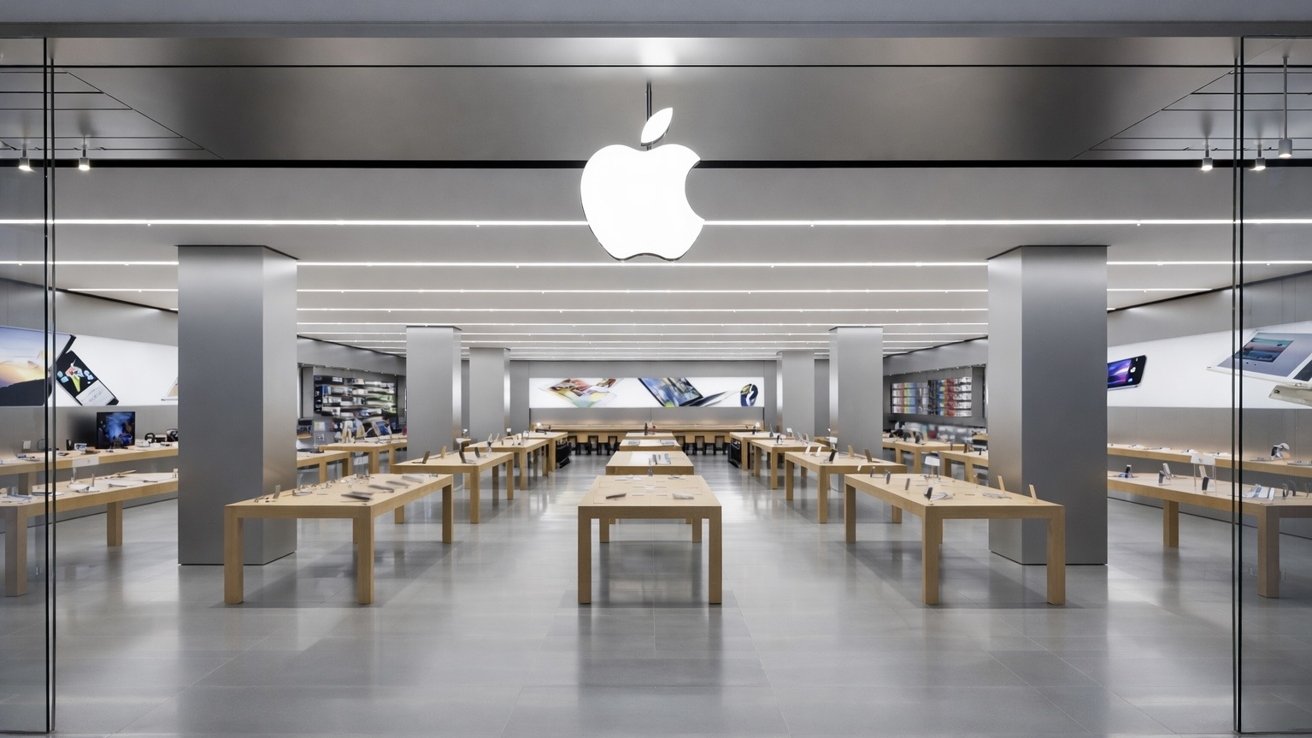
Apple must change how it displays prices in New Jersey stores after regulators said the company repeatedly failed to comply with pricing requirements it agreed to follow in 2017.
Back in 2017, Apple made a deal with New Jersey, and agreed to follow the state's visible pricing laws. Eight years later, in 2025, inspectors found widespread violations at Apple retail locations in the state, prompting Apple to revise its in-store pricing practices.
So, the New Jersey Office of the Attorney General says that Apple will pay a $150,000 penalty because of the repeated inspection failures. The settlement addresses allegations that Apple failed to display prices clearly in New Jersey stores for years, despite the 2017 consent order.
So, for Apple, this is a repeat issue, not a first offense.
Why Apple is getting fined
The state's action stems from reinspections of 11 Apple Stores conducted by the Division of Consumer Affairs. All 11 were previously subject to a 2017 consent order that required Apple to ensure pricing information was continuously available on or near displayed products.
Investigators discovered that every inspected store had display tables without required pricing information. Accessories like charging cables, cases, and audio devices were sold without visible prices, a direct violation of New Jersey's Merchandise Pricing Act.
Several stores also failed to conspicuously post refund policies, another requirement under the state's Consumer Fraud Act.
Attorney General Matthew J. Platkin characterized the findings as repeat misconduct, noting that Apple had already been held accountable for similar issues in the past. The 2017 agreement was designed specifically to address Apple's reliance on digital pricing methods inside physical retail spaces.
Apple's digital pricing philosophy meets old laws
The dispute centers on Apple's preference for digital price displays. In its stores, prices are often shown through on-device screens, QR-style interactions, or software prompts instead of traditional shelf labels.
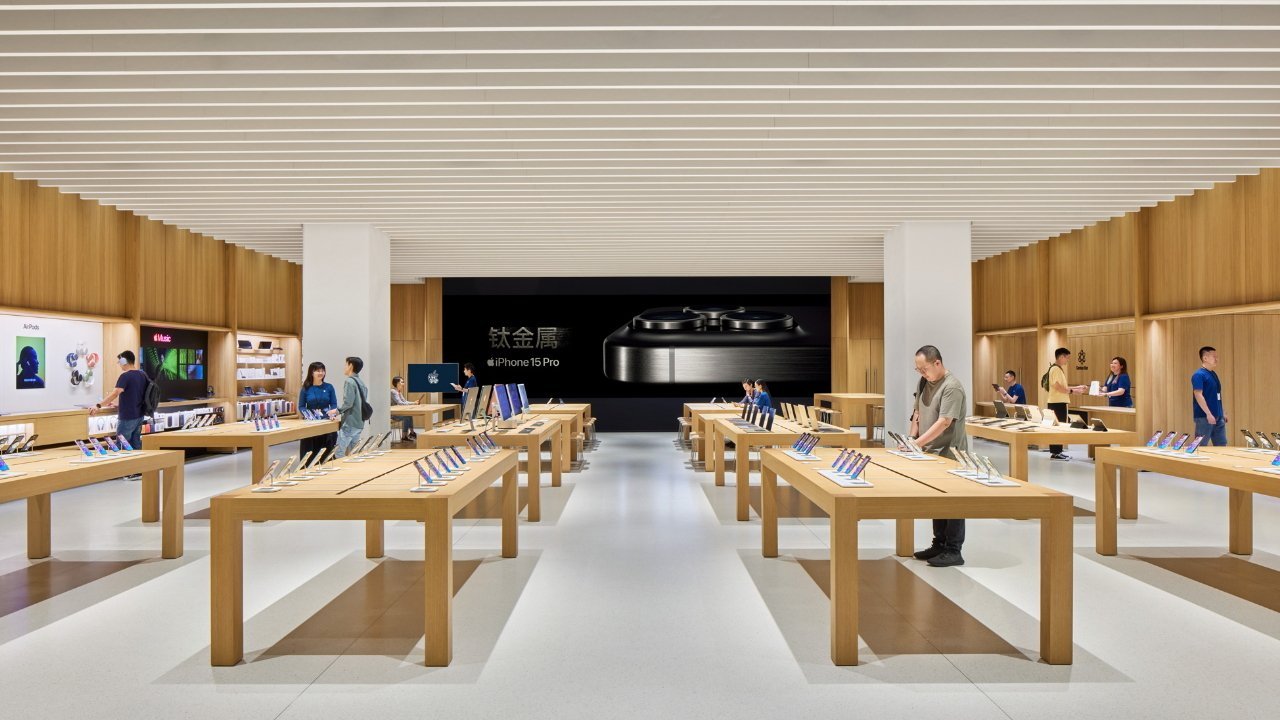
Several stores also failed to conspicuously post refund policies
New Jersey regulators have long criticized Apple's approach for not meeting laws requiring prices to be clearly marked on or near merchandise. The 2017 consent order allowed limited device interaction only when prices were immediately visible and clearly displayed.
Recent inspections showed Apple repeatedly failed to meet those pricing standards, so customers had to interact with devices or ask employees for prices. The practice made it harder for shoppers to compare prices on their own, violating the law's intent.
What Apple agreed to change
Under the new consent order, Apple agreed to several compliance measures aimed at preventing similar violations going forward.
Apple can't sell merchandise in New Jersey stores without clearly marking the total selling price. The price must be visible upon limited interaction or displayed nearby for easy customer access, the way it used to be at Apple Stores before several redesigns.
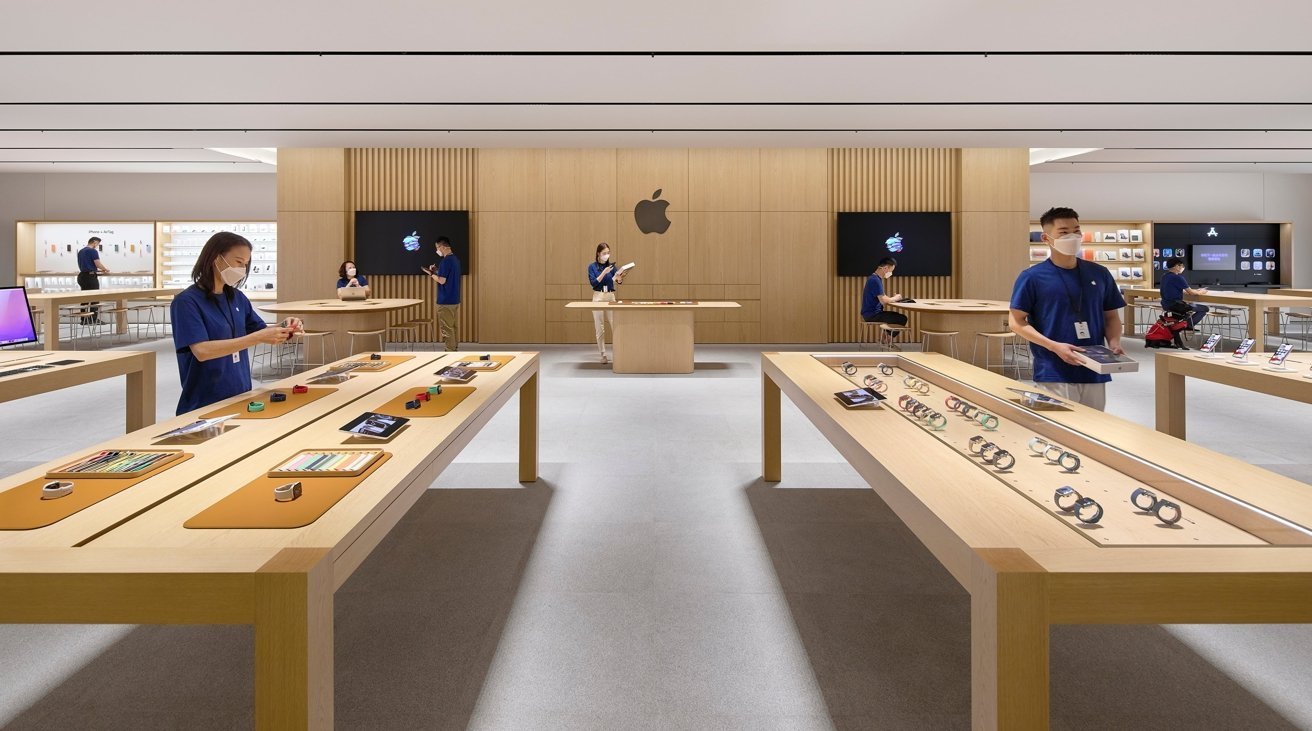 Apple can't sell merchandise in New Jersey stores without clearly marking the total selling price
The agreement also restricts Apple from requiring customers to interact with electronic devices to learn prices unless those prices appear immediately and conspicuously. Refund policies must be clearly posted at store entrances, registers, or on the merchandise itself.
Why this matters beyond the fine
State officials said the $150,000 penalty is the largest settlement ever obtained under New Jersey's Merchandise Pricing Act.
For Apple, the monetary penalty is negligible. The larger issue is regulatory friction around its retail design philosophy, which prioritizes clean aesthetics and digital interaction over traditional signage.
That approach has a long history of clashing with state consumer protection laws, many of which predate modern, device-driven retail. New Jersey's action shows those rules are still enforced as written, even when they collide with a company's globally uniform store design.