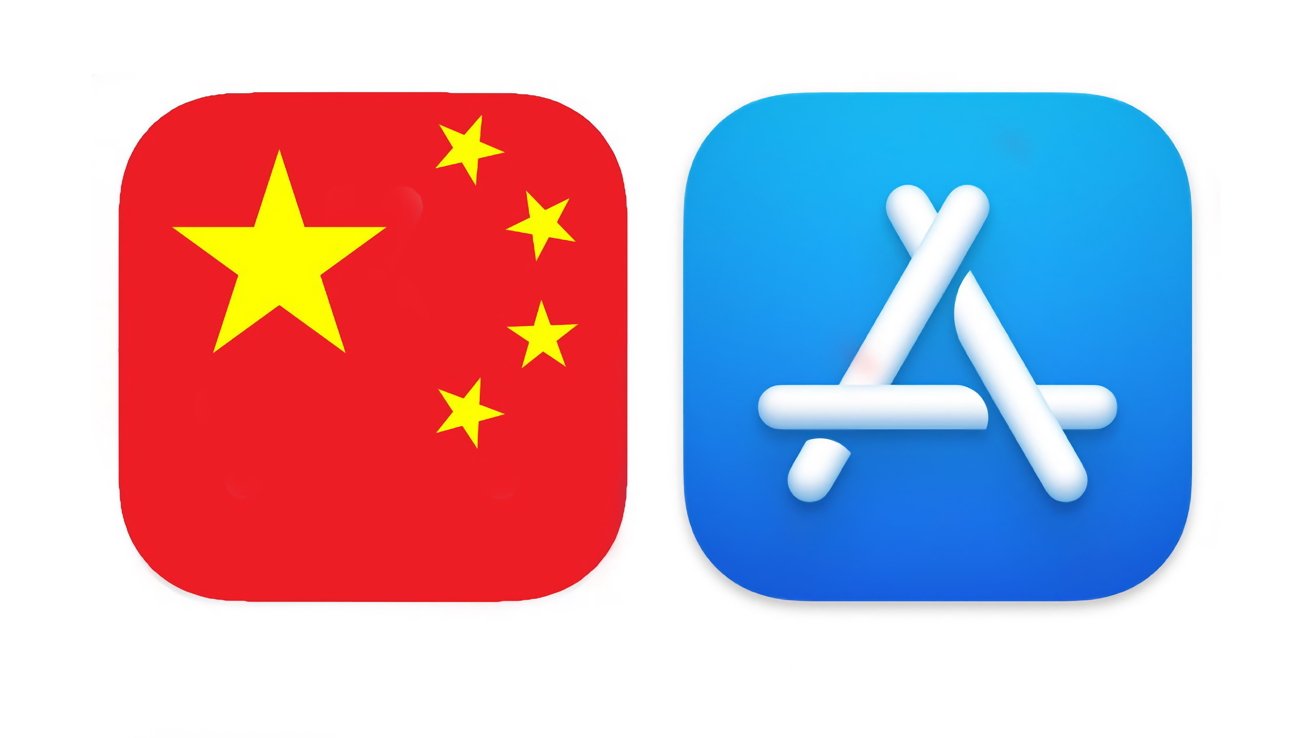
China is escalating pressure on Apple's App Store just days after a fee cut, signaling the fight is shifting from commissions to the rules that govern payments and app distribution.
China's ruling party newspaper, the People's Daily, said on March 17 that Apple should ease what it called "monopolistic" policies. The editorial followed Apple's move to cut its App Store commission in mainland China from 30% to 25%.
Chinese officials framed the move as a result of regulatory pressure, with the change following communication with regulators. The timing shows regulators are pushing beyond pricing and into how Apple controls iOS.
Chinese users still lack access to third-party payment systems and external links. The paper calls for Apple to remove what it describes as a "fence wall" around its platform.
Apple's App Store model relies on controlling payments and distribution, which supports its commission structure and maintains platform consistency. Chinese officials view these controls as barriers, contrasting them with Android's more open approach.
China has already examined Apple's App Store practices in recent years, including how it handles in-app payments and commissions. The latest editorial fits into that broader scrutiny rather than standing alone.
Control, not fees, is the real fight
Apple's decision to cut its commission in China marks a rare shift in a market where it has long held firm. The response from the state-owned People's Daily shows that lower fees don't address the core concerns regulators are raising.
Regulators are now targeting Apple's control over payments and distribution, not just commissions. The shift in tone makes clear the dispute is about whether Apple should continue to control app distribution and payment on iOS.
Apple has faced similar pressure elsewhere, including in Europe, where regulators forced changes to its ecosystem. Requirements there led Apple to open access to its mobile wallet technology after antitrust scrutiny.
Across regions, regulators are moving away from debating percentages and are instead focusing on limiting platform control.
China remains Apple's second-largest market, and local competitors such as Huawei and Xiaomi operate with more flexible distribution models. Despite vast differences between Apple's App Store and Android, regulators point to those systems as proof that alternative approaches already work at scale.
Tensions with major Chinese developers over payments and revenue sharing have added to the pressure. The dispute is moving past fees and toward the structure of iOS, where further changes will have broad implications for Apple's services business.
Google Play will be another test. It is moving closer to a walled garden like Apple's. It remains to be seen what if anything China will do about that.