NASA has started to share images that the crew of Artemis II have taken of their trip to the Moon, including some taken on the iPhone 17 Pro Max.
Months before the launch of Artemis II, NASA confirmed that the crew would be allowed iPhones to document the journey around the Moon. In galleries released by NASA, those first images are now back on Earth.
The shots in the "Journey to the Moon" web gallery are a mix of images taken by imaging equipment brought along by the crew. While the newest standalone camera on the flight is a 2016 Nikon DSLR accompanied by some decade-old GoPro cameras, the crew were provided with a set of the iPhone 17 Pro Max for similar imaging duties.
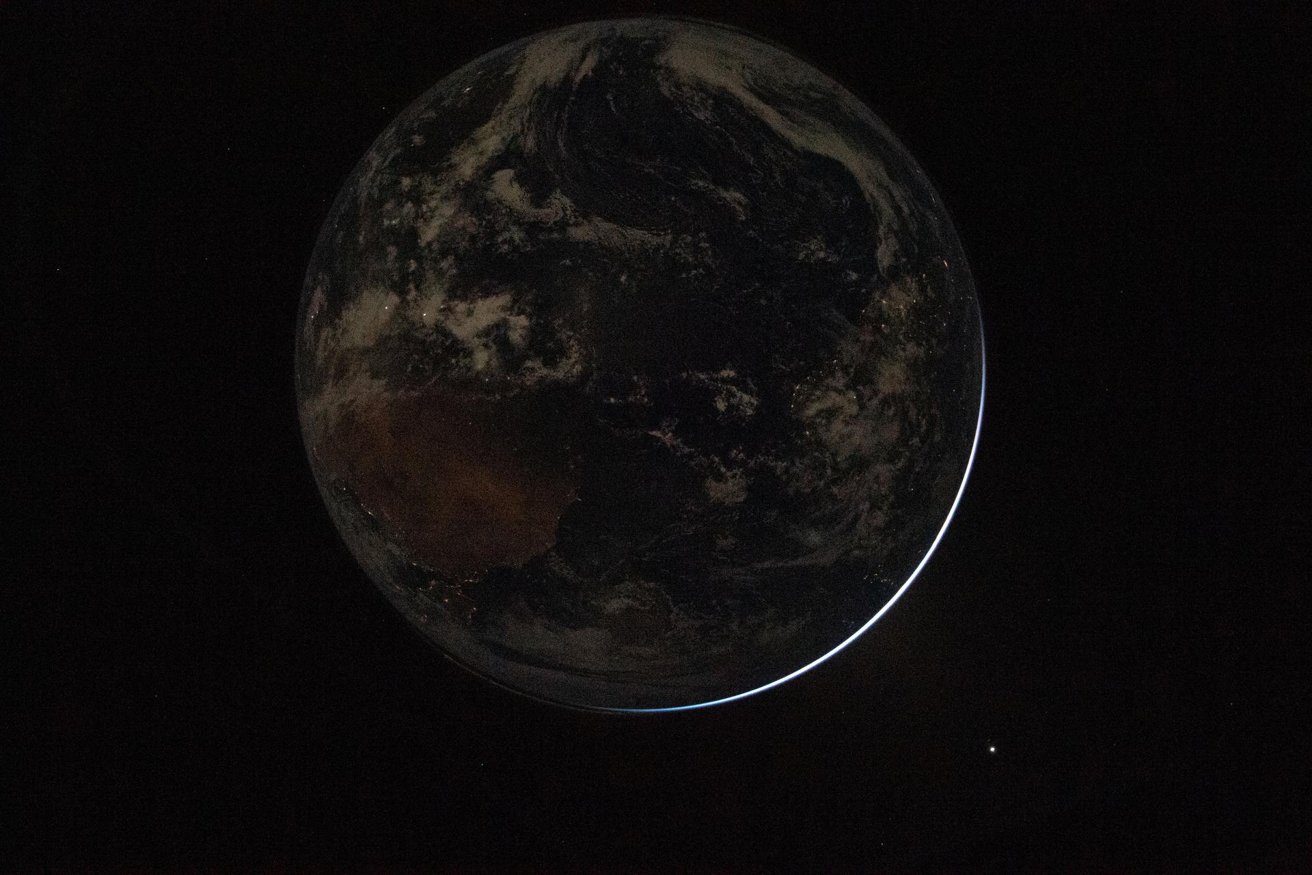
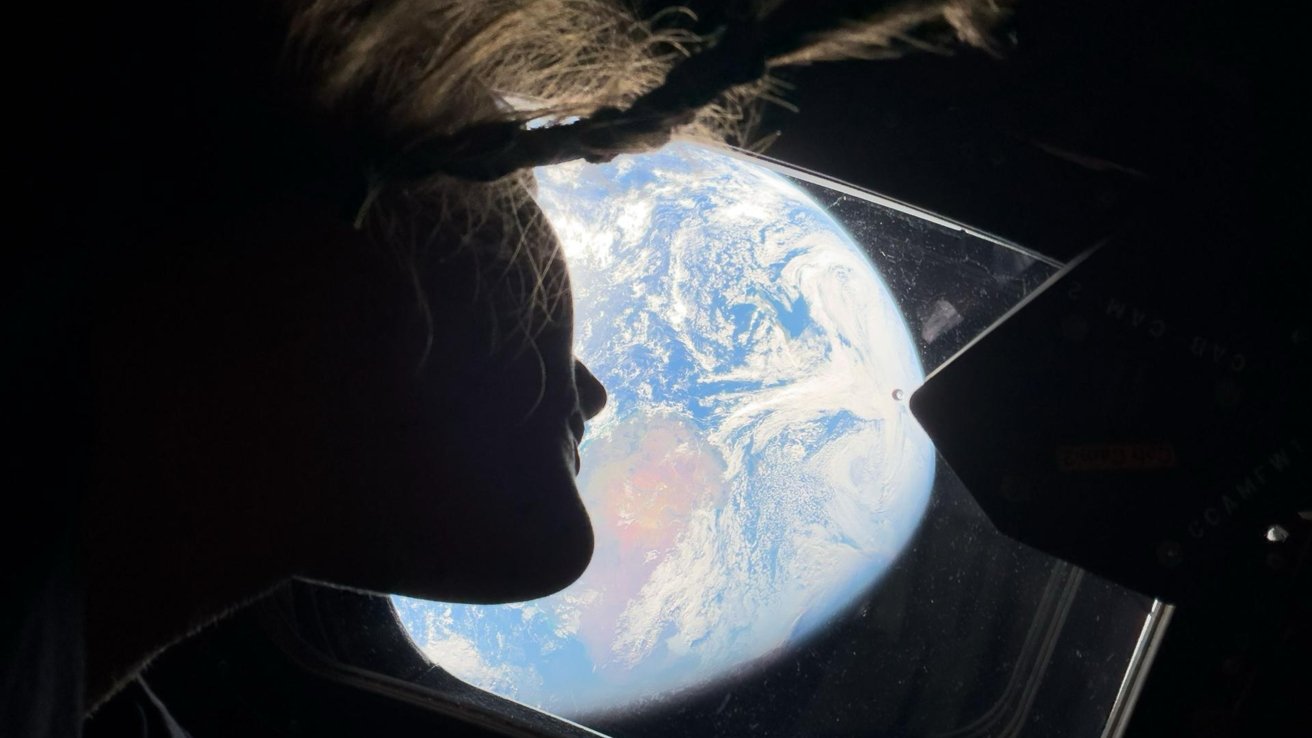
A dark-side shot of Earth - Image Credit: NASA
The gallery consists of shots taken by the crew on a variety of equipment, as well as some imaging devices mounted to the craft itself. However, for most of the shots taken inside the cabin, NASA has stripped away most of the relevant metadata, preventing anyone from knowing what specific imaging device was used.
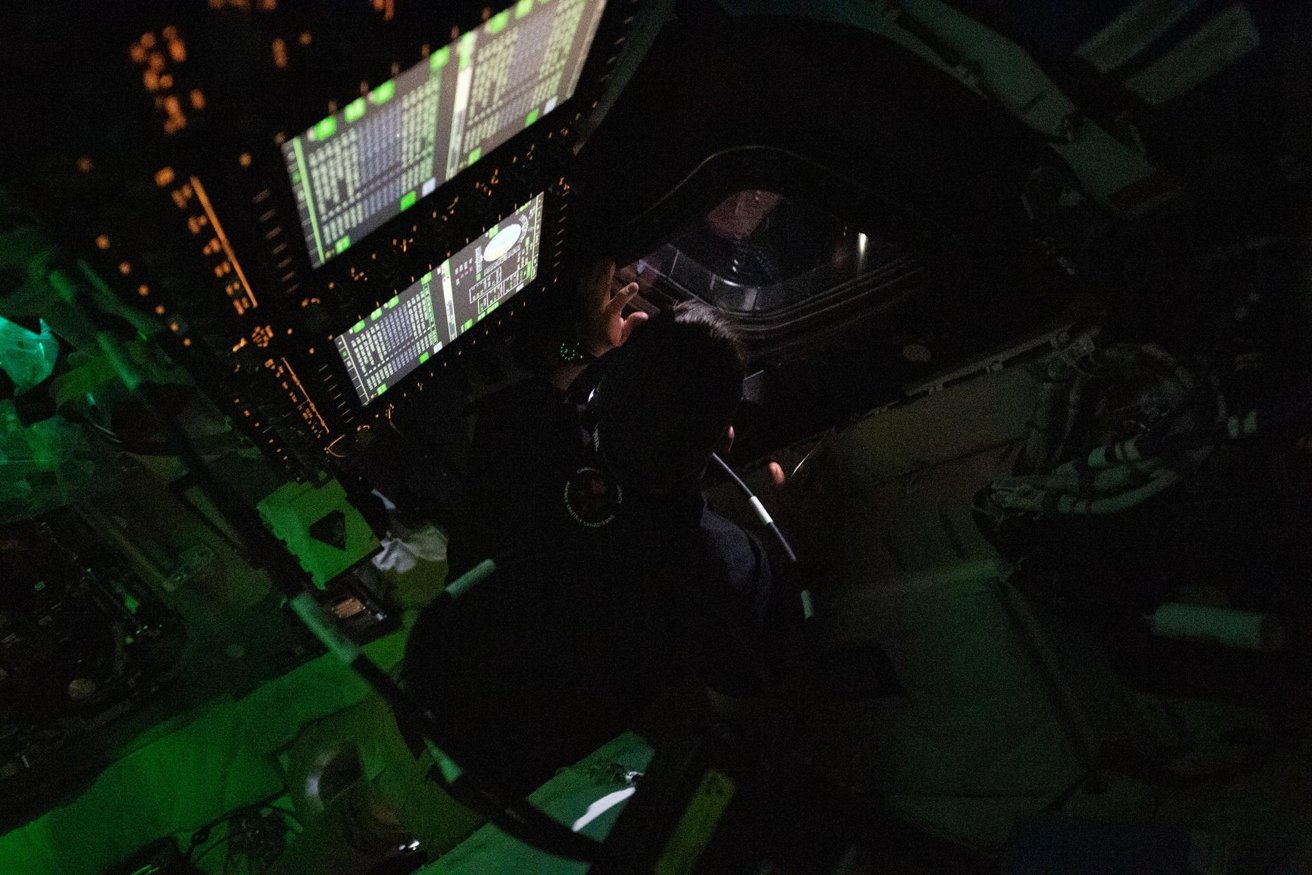
CSA astronaut Jeremy Hansen looking out from the Orion spacecraft - Image Credit: NASA
A few exceptions exist, complete with metadata for the Nikon camera, but the rest are similar in resolution and metadata. Given the number of iPhones onboard, it should be used for most of these shots.
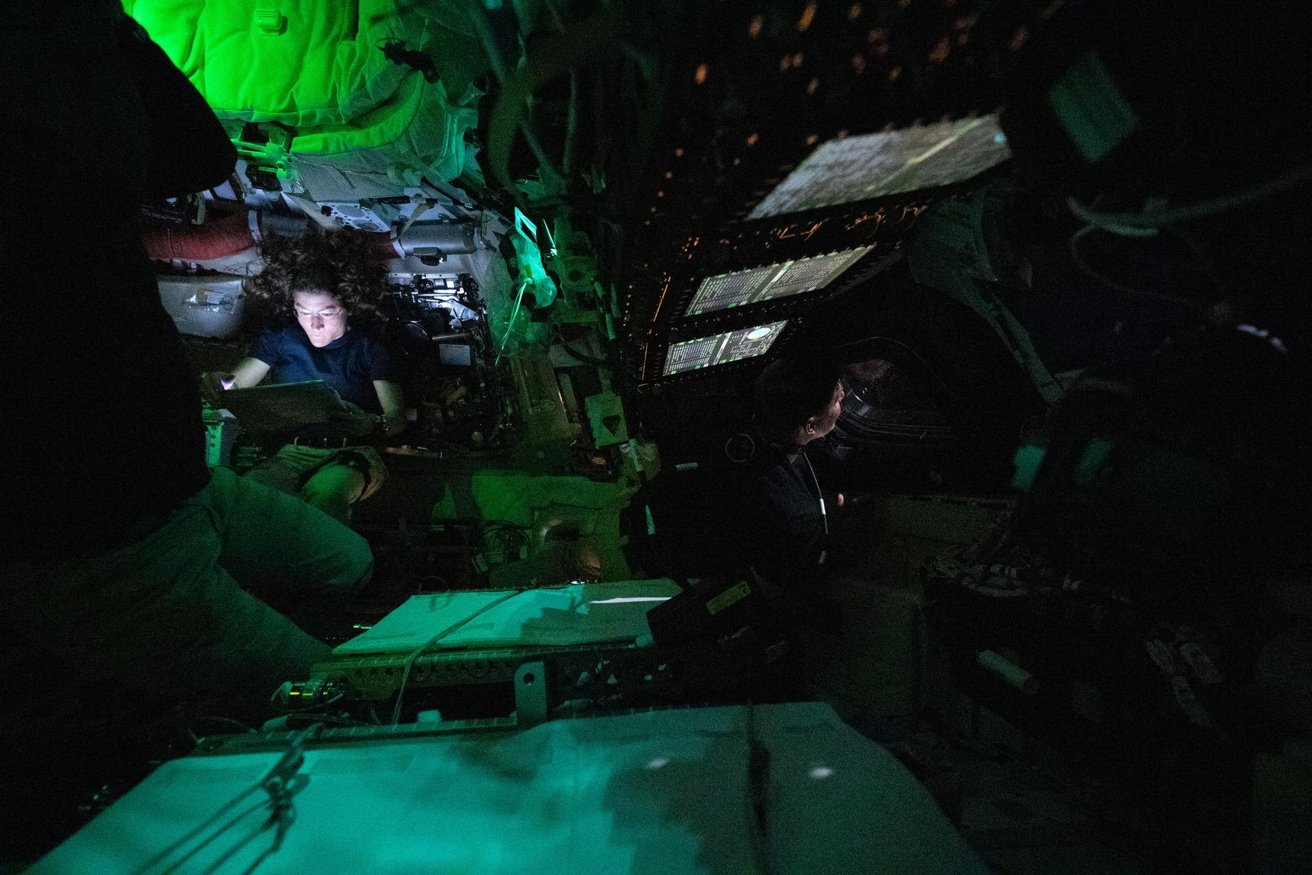
Christina Koch inside the Orion spacecraft - Image Credit: NASA
The images that have been released include some of the cabin itself, with crew hard at work on their mission to the Moon. Others capture the Earth in the background, shot through one of the observation windows.
As it stands, the crew have at least managed to create "Shot with iPhone" images at the highest altitude ever.
A long journey for iPhone
To get onboard, NASA had to put the iPhone through a series of tests to make sure it was safe to use aboard the craft. Those tests also included checks for potential hazards, such as broken glass, and mitigations for them.
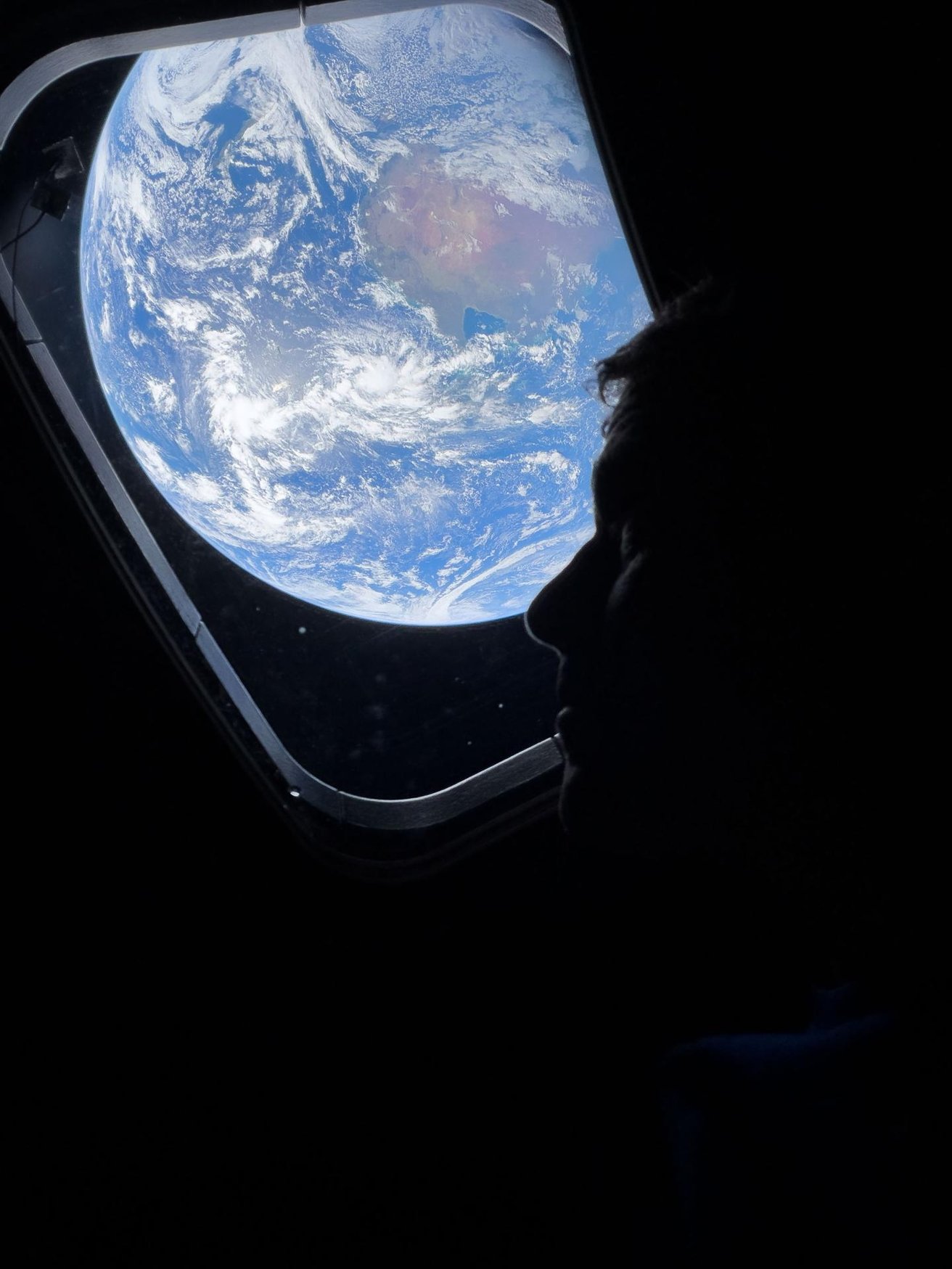
Artemis II Commander Reid Wiseman - Image Credit: NASA
As per usual for a flight, the crew is using Velcro to mount the iPhones in place in the zero-g environment. During launch, at least one was stuffed into a pocket in one crew member's flight suit.
However, while the iPhones are now in space, they are limited in what they can do. The units are intended only for capturing photographs and video, and are not allowed to connect using Wi-Fi or Bluetooth, nor have general access to the Internet.