A new court filing shows Apple is still trying to trace how unreleased iOS details leaked, as incomplete responses from Jon Prosser during discovery slow progress in the case.
The company filed a lawsuit against Prosser and Ramacciotti on July 17, 2025. Apple claims the two accessed a development iPhone belonging to an Apple engineer and revealed features of the unreleased iOS 26.
Apple argues that this act went beyond passive leaking, as the individuals deliberately acquired trade secrets by viewing internal software during a FaceTime call. The case has progressed slowly through its procedural steps.
On October 17, 2025, a default was entered against Prosser because he didn't respond to the complaint.
A joint status report filed on April 13, 2026, shows the core issue behind the lawsuit remains unresolved as Apple continues to seek materials it says haven't been fully produced. The company is still working to determine exactly what information was accessed and how it was distributed.
Apple is still trying to map the leak
Apple's recent filing shows it's still waiting on a complete set of materials it says are necessary to determine the full extent of the data taken from its development device. The company is working to identify confidential information beyond what was publicly disclosed and how it was acquired and distributed.
The original complaint raised concerns about undisclosed trade secrets in the device, which remain central to the case. Apple views this as a broader exposure of internal software that may have circulated beyond public documentation, not just a single leak tied to a video.
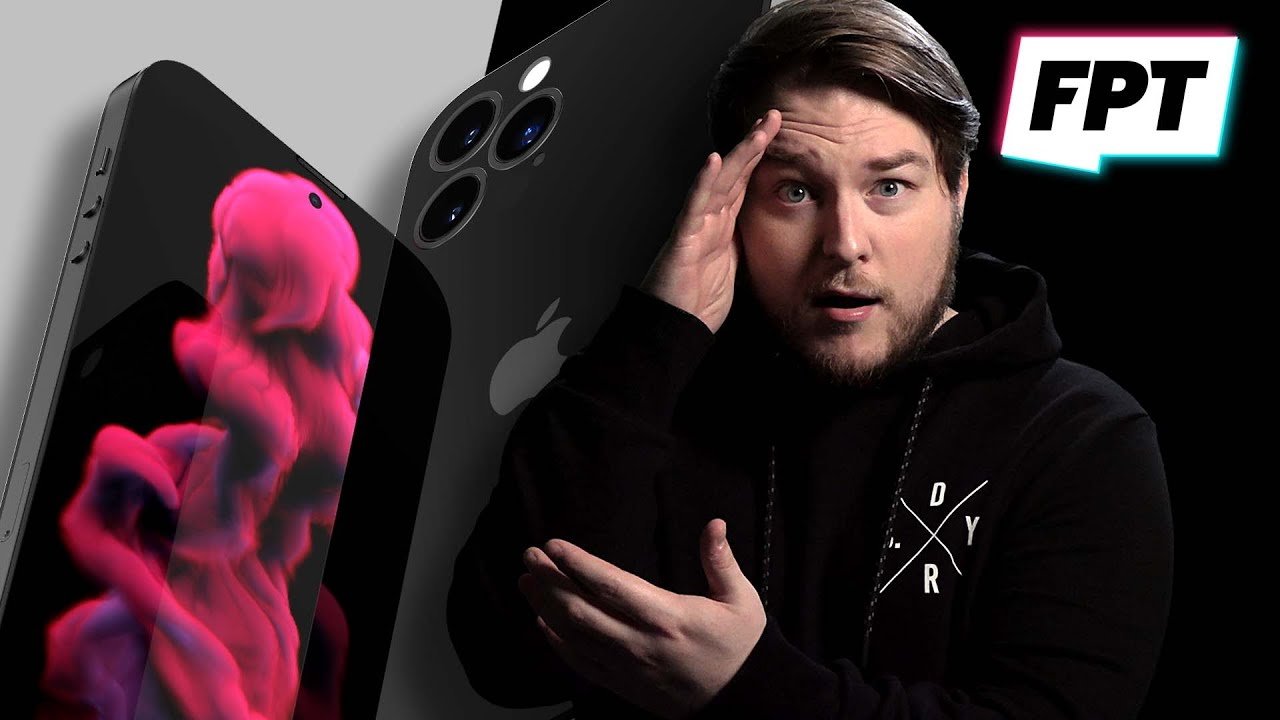
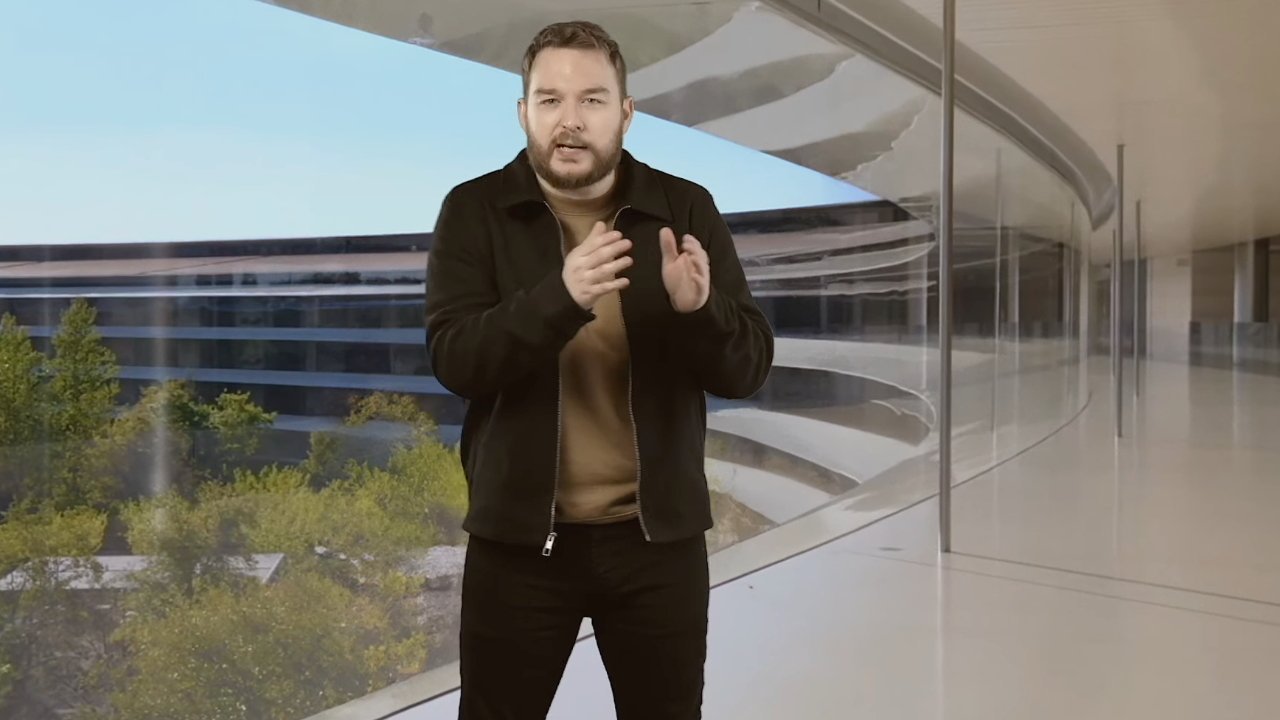
Image from an iPhone leak video published by Frontpage Tech
Apple's case hinges on discovery rather than resolution, as it reconstructs its own data path. Investigation involves device forensics, document production, and sworn testimony.
Discovery in the case remains incomplete, particularly concerning Prosser. While he has provided some materials, Apple says Prosser hasn't fully complied with its requests and has indicated that additional documents exist.
In contrast, Ramacciotti has provided devices for forensic review, agreed to supplement his responses, and offered to appear for a follow-up deposition.
The outcome hinges on what discovery uncovers
Apple has served subpoenas for documents and a deposition, and is working to schedule testimony once production is complete. The company now plans to seek a court order to compel further compliance, a step that typically signals growing friction in the discovery process.
The lawsuit ultimately hinges on whether Apple can establish a clear chain of access and distribution for its internal software. The case goes beyond what was publicly shown and extends to any confidential material that may still exist outside Apple's control.
Apple treats leaks that it has not seeded itself as intellectual property violations that require a full accounting of exposure. The company is working to determine whether additional confidential material is still circulating.
The next status update is scheduled for June 10, 2026 and will provide a clearer sense of how far discovery has progressed.