As OpenAI prepares an IPO, information suggests it is bleeding money. Apple, on the other hand, continues to benefit from AI without all of the spend.
If you didn't predict it already, you could sense that AI was past its sell-by date when you watched the 2026 Google I/O conference. Half the hyped new technologies seemed worthless or at best old hat, and half were yet again preposterous exaggerations about saving the human race from something or other.
What never changes is that AI is both said to be this staggering technology right now and, if you press a little, to well, no, it isn't, but it's going to be someday. You just have to believe, and to spend money.
And this is where we are now. Companies keep spending incredible sums of money, but according to The Information, OpenAI itself has lost $1.22 for every $1 it made in revenue.
The firm does predict that it will hit $30 billion in revenue for the whole of 2026. But according to the Wall Street Journal, it's going to spend around $600 billion on servers and datacenters in the next few years.
This includes around $100 billion just on datacenter capacity. Between now and around 2033, it has committed to $1.4 trillion in deals with processor manufacturers and cloud providers.
That money is not going to come out of CEO Sam Altman's pocket. Instead, OpenAI hopes to get help from the federal government. It wants the government to guarantee financing for the processors it needs.
"This is where we're looking for an ecosystem of banks, private equity, maybe even governmental, the ways governments can come to bear," said OpenAI CFO Sarah Friar. "[That] can really drop the cost of the financing but also increase the loan-to-value, so the amount of debt you can take on top of an equity portion."
Friar said that in November 2025, and at the same time denied that the company was planning an Initial Public Offering (IPO) to raise money. Now CNBC reports that the firm will be filing for an IPO in the next few weeks, although it continues to deny this.
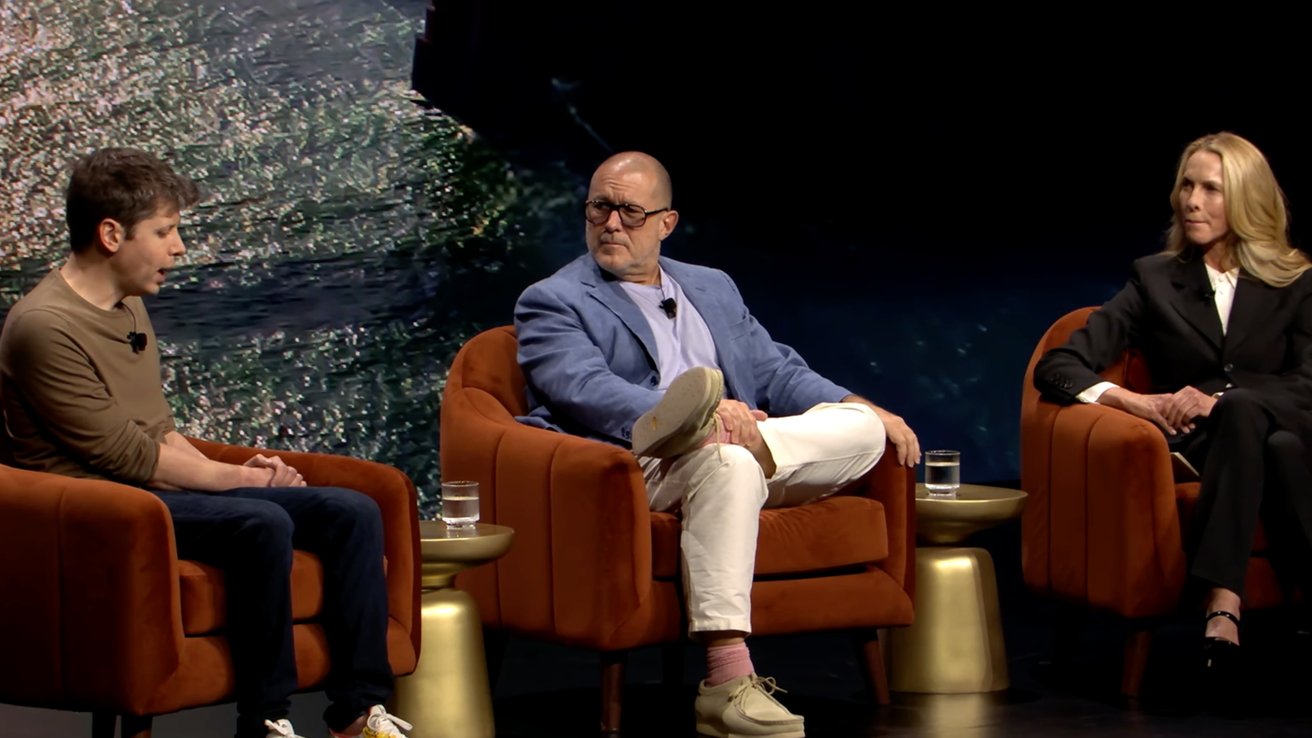
Sam Altman [left] and Jony Ive [center] speaking to Laurene Powell Jobs - Image Credit: Emerson Collective/YouTube
OpenAI also continues to seek out funding, most recently securing $122 billion in March 2026 to keep things going. It claimed previously that it would have gigantic losses every year until 2030.
But it's okay, it's fine, because in 2030 we will all apparently see that OpenAI was right. Through advertising in ChatGPT, OpenAI says it will create around $100 billion that year.
No more worlds to copy
AI stole the entire world's published knowledge to create its Large Language Models, and it's been allowed to do it. AI firms repeatedly say that if they had been forced to pay for what they did, they would not exist.
Throughout all of this, the only answer to that has been yes, you wouldn't exist. Then there are stronger answers to how AI firms have subsequently protested that their own work is being stolen.
Your heart bleeds for them, but then you are an AI user. You have found out firsthand that AI is actually brilliant at certain really specific things. You've also found out how pointlessly wrong it is about the simplest things.
AI is so useful that you probably have certain tools you rely on already, such as AI transcription of recordings. But AI hasn't written the next great novel — though it may have written a prize-winning short story — and the only life-changing impact it has had is on those people who've lost their jobs.
Companies are shedding workers on the belief that AI can replace them. Some are finding out that this belief was premature, if not idiotic. Just ask the Pizza Hut franchisee who says they've lost $100 million because of a botched AI kitchen management system.
There are signs that firms are hiring people back. But they're hiring them back at lower salaries than before.
Companies are not learning that this gets them staff who can't do the job either.
But then companies are still spending similar sums to OpenAI in this dream of AI wonderment. Or at least this nightmare of being overtaken by rivals.
According to FastCompany, AI spending for 2026 amongst the biggest technology firms is:
- Amazon: $200 billion
- Microsoft: $190 billion
- Google/Alphabet: $180 billion to $190 billion
- Meta: $125 billion to $145 billion
Spot the missing company
That same list of technology firms' spending on AI included one more company. The figure has to be estimated, but it is Apple at around $13 billion for the year.
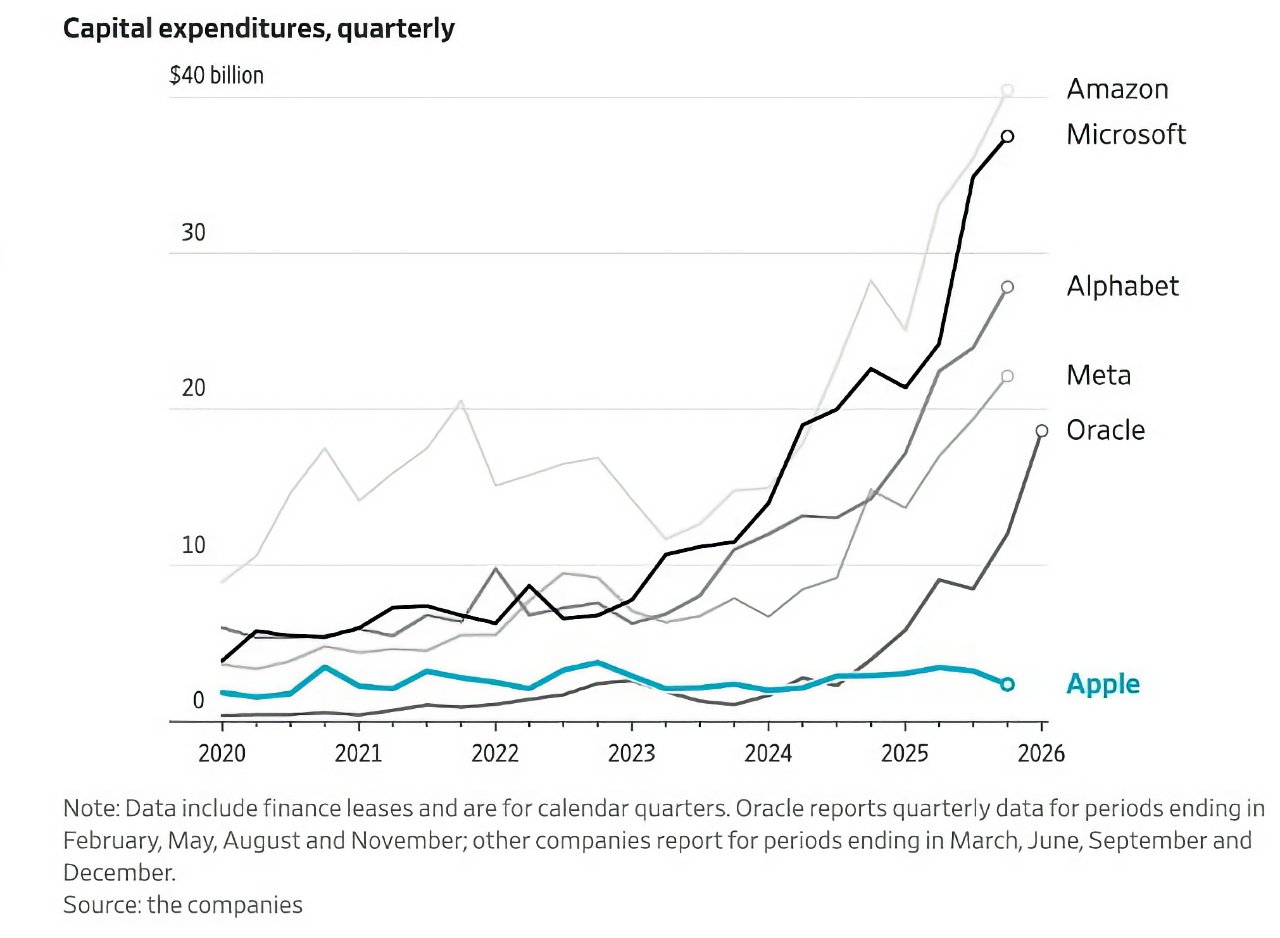
This is the company that for years has been practically mocked for being behind in AI. It's also, though, the firm that is predicted to make a cool $1 billion for doing practically nothing.
That's the sum Apple is expected to earn from the App Store and its share of the sales of apps such as OpenAI's ChatGPT.
Speaking of ChatGPT, OpenAI is reportedly considering suing Apple because its integration into Apple Intelligence has not earned it enough money. But this deal is the one that sees Apple Intelligence send anonymized data to ChatGPT and demands that none of it be retained for training.
If it can't profit from a user's personal details, and it can't even train on what they ask for, it's hard to conceive how OpenAI thought this would be a cash cow.
OpenAI may have hoped that its deal with Apple would expand out in some way. If so, it too fell foul of the nonsense it peddles about some far-off brilliant future.
There'd be irony in that, but it's hard to be amused when the prospect of AI has created as much damage to employment as if it really could do what it's promised.
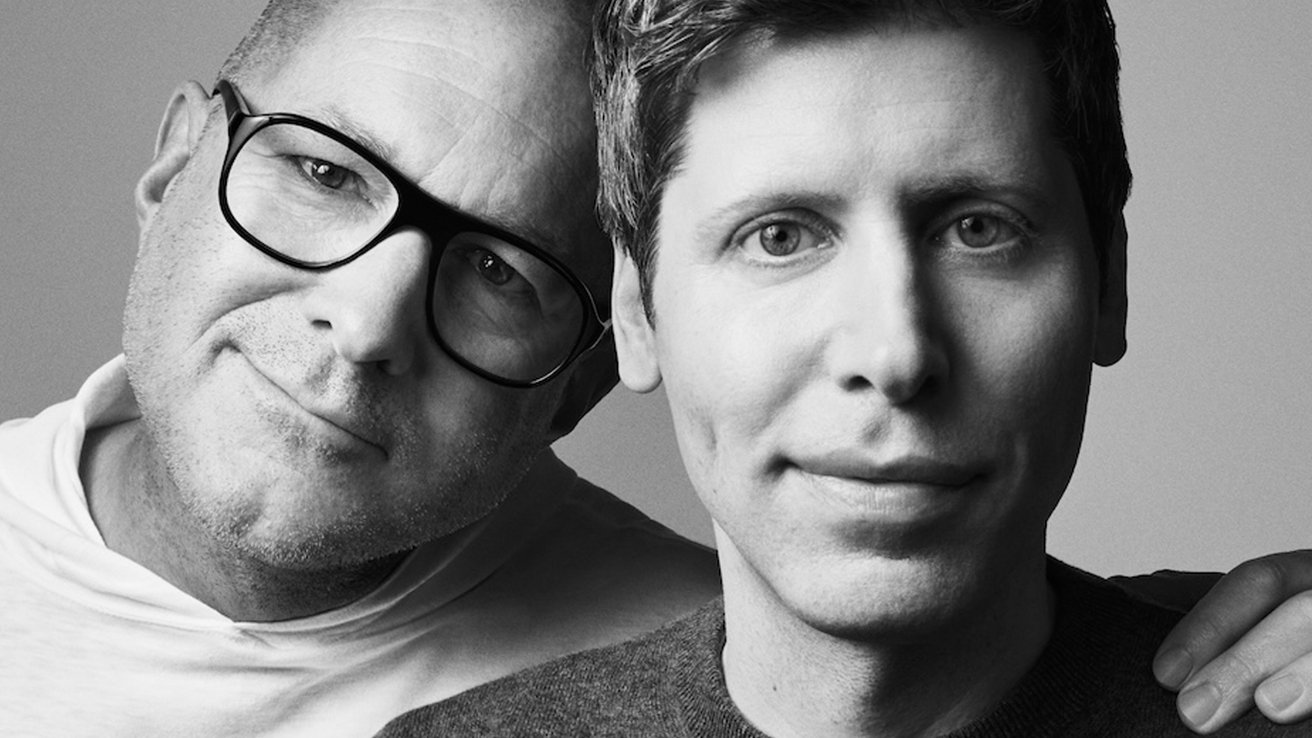
But then, it may be equally presumptive to say we've got as far with AI as we're going to get. After all, OpenAI has this Jony Ive AI device that will be coming out.
Some day.