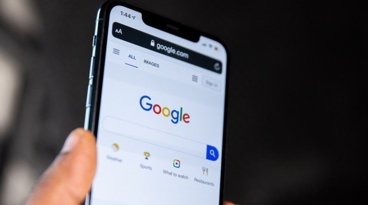
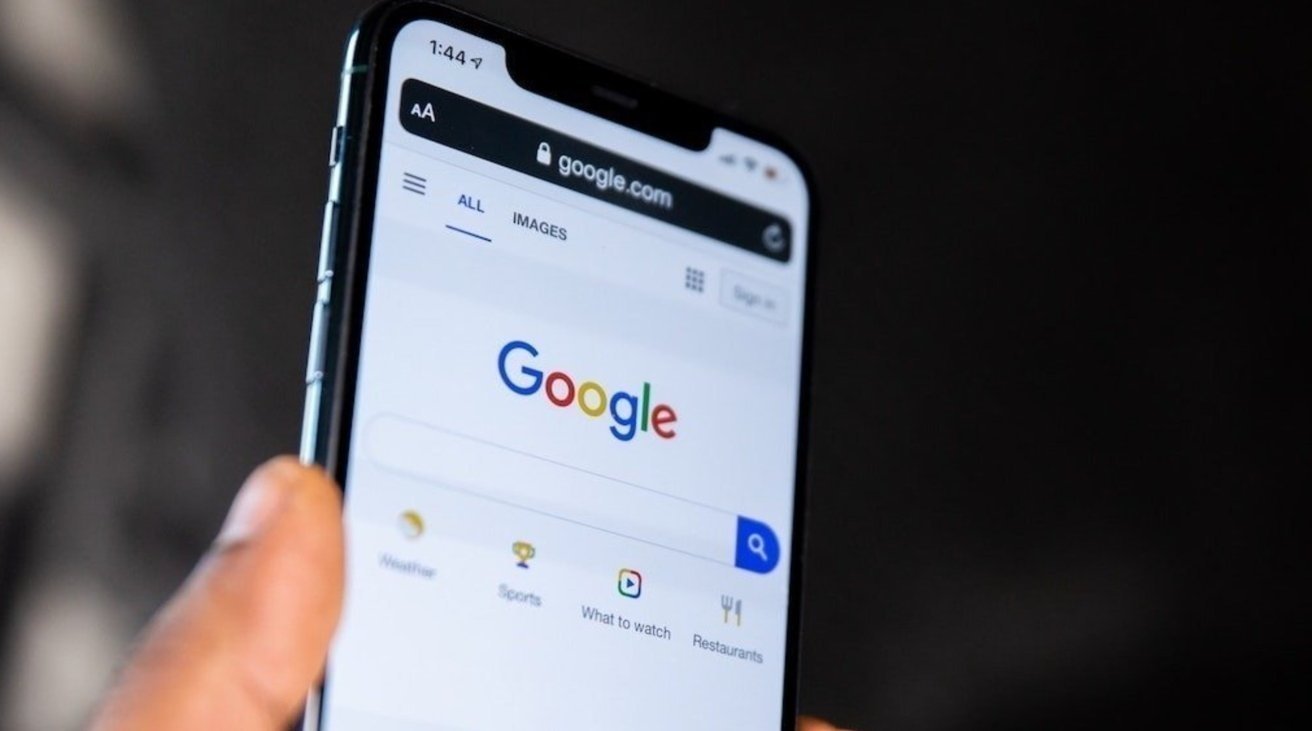
The $20B search engine preference deal with Apple was "fair and square," Google insists in its antitrust appeal against the Department of Justice.
In August 2024, a court ruled that Google was a monopolist in the U.S. Department of Justice's antitrust lawsuit against Alphabet. One that involved an investigation into Google's $20 billion deal with Apple to make Google the preferred search engine of Safari.
On May 22, Google filed its appeal against federal rulings that it held illegal monopolies in search and advertising.
The filing posted by Reuters covers many areas, including that Judge Amit Mehta made legal errors in his 2024 ruling. Google doesn't believe that it had illegally blocked competitors with its search deal, but really, it's because Apple chose it.
In the filing, Google claims that, whether the court believes Google has monopoly power or not, it "did nothing" to harm competition. Google didn't block rivals to make their own offers, and it didn't block Apple from choosing a better one either.
There is no evidence that Google's customers would have chosen a rival, even if those agreements didn't exist, it continues.
It even pointed to Apple's conclusion that the Microsoft rival Bing was "inferior" and "horrible at monetizing advertising,"
"Google just prevailed in the marketplace fair and square," it declares.
Apple could've promoted other engines, the filing explains, and that Safari also does list alternative options within its settings. Ultimately, Google says that the court interpreted there to be "exclusivity" when really it was for "sound business reasons" on Apple's part.
Aiming for a reversal
While Google has managed to escape major injury from the lawsuit, it still has some duties to take care of.
The later ruling was in September 2025, when it was decided that Google didn't have to sell off Android or Chrome. It was also permitted to continue its $20 billion search deal with Apple.
However, it was decided that Google had to share search data with its competitors.
The appeal is an attempt to go back on this and other remedies that Google was ordered to carry out. Reversing the ruling wouldn't affect things like the Apple search deal, but it would stop the data-sharing requirement entirely.
A section of the appeal discusses how this applies to rival companies that, to Google, shouldn't be classed as such. Specifically, companies that deal strictly with AI.
To Google, it has to share data with firms like OpenAI, which is behind ChatGPT, which doesn't offer its own general search engine. They provide answers that reference what would normally be search results.
Google argues that it is wrong to be forced to supply data to OpenAI as a rival. Generative AI products didn't really exist in a substantial way at the time, so the court couldn't incorporate ChatGPT and others as rivals when considering its ruling.
AI companies are already massively succeeding, without any need to "free-ride on Google's success," it proposes. As such, Google believes that the data-sharing remedies shouldn't apply to AI companies that don't offer a general search engine.
At the time of publication, the court has not responded nor scheduled any further courtroom activity. Based on typical scheduling patterns, the case could continue in late 2026, or even in 2027.