Apple has failed to reduce the scope of a UK class-action lawsuit, and all iCloud users in the country will be owed $95 if the company loses.
Apple has had its fair share of lawsuits in the United Kingdom, with ongoing cases regarding App Store fees, an alleged price-fixing scheme with retailers, and more.
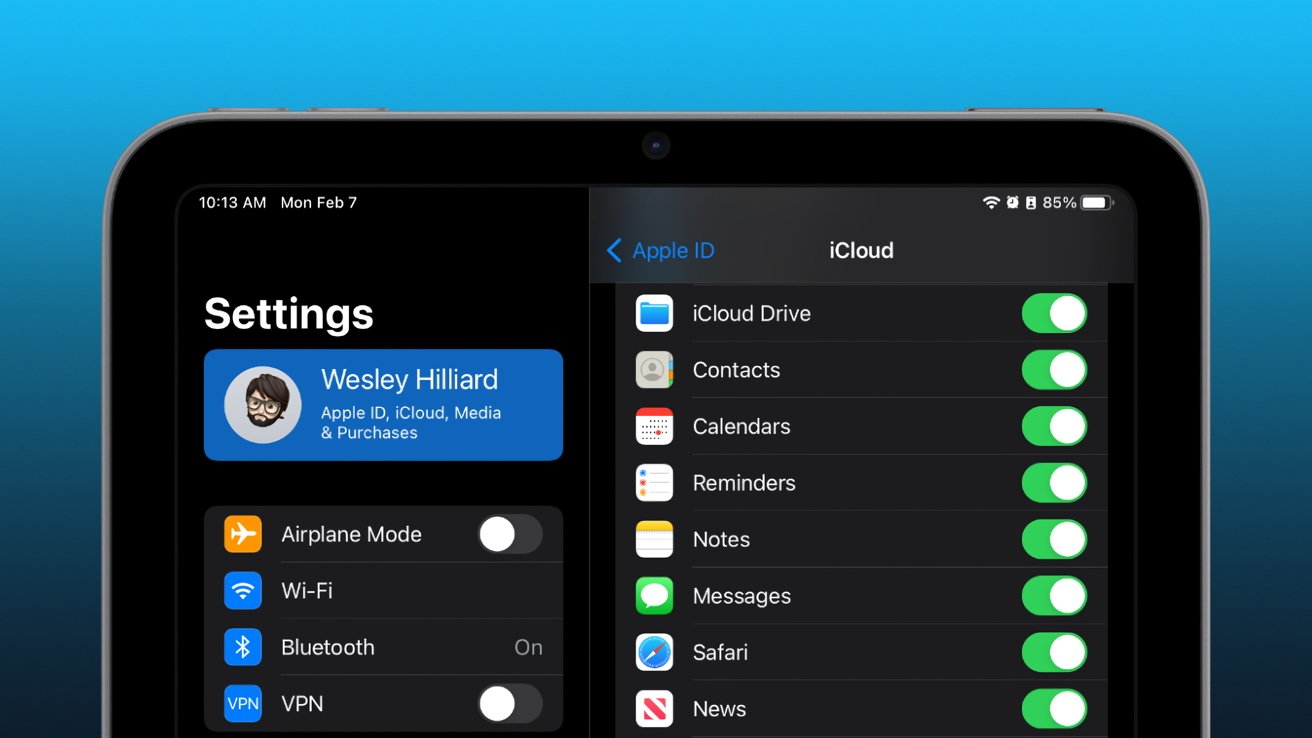
In November 2024, consumer rights group and publication Which? also sued Apple, alleging that the company had an anti-competitive way of locking users into paying for iCloud storage.
It was argued that Apple breached UK competition law and abused its dominant market position by not letting iOS and iPadOS choose an alternative cloud provider. Additionally, Apple was accused of charging "rip-off prices" for iCloud storage in the country.
As Apple failed to narrow down the scope of the class-action lawsuit, the case is now moving to trial.
As Which? claims in a social media post, Apple locked "millions of consumers into its iCloud service at rip-off prices." The group says that around 40 million UK iCloud users may be eligible for compensation equating to $95, assuming its lawsuit is successful.
The lawsuit seeks damages for iPhone and iPad users who paid for iCloud storage. However, with the principle of Forgone Consumer Surplus (FCS), the suit also argues that iCloud users in the UK were priced out of an iCloud subscription, as Apple abused its market position.
Hypothetically, users who found Apple's roughly $12 monthly payment for 2TB of cloud storage would have paid around $11 if it were a "fair" market price. Per the FCS legal theory, those potential customers "lost" $1 because of Apple's uncompetitive pricing and the lack of an adequate alternative.
Consumer rights group Which? argued that Apple should pay these hypothetical buyers, even though they never really lost anything or paid for anything in the traditional sense.
It says that "around 40 million Apple customers in the UK who have used iCloud services on or after 8 November 2018" could be entitled to compensation.
Apple attempted to narrow the scope of the lawsuit so that it only included UK iCloud users who paid for a subscription. "We reject any suggestion that our iCloud practices are anticompetitive and will vigorously defend against any legal claim otherwise," said the company in 2024.
However, its attempts were unsuccessful. The UK's Competition Appeal Tribunal ruled in a two-to-one vote that the FCS legal theory is applicable. In essence, the class-action suit could result in compensation for both paying and non-paying UK iCloud users.
In a statement to AppleInsider regarding this latest development, Apple repeated that it believes the suit is unwarranted.
"These claims are unfounded," said a spokesperson. "We work hard to make iCloud a great experience, but no customer is required to use it and customers in the UK have plenty of alternatives to choose from."
"We strongly disagree with this decision and plan to appeal," the spokesperson continued.
The iCloud restrictions that inspired the lawsuit
iCloud itself has been around since 2011, when it debuted with iOS 5. The service delivered system-wide integration, allowing users to sync their notes, emails, photos, files, and more via the cloud storage platform.
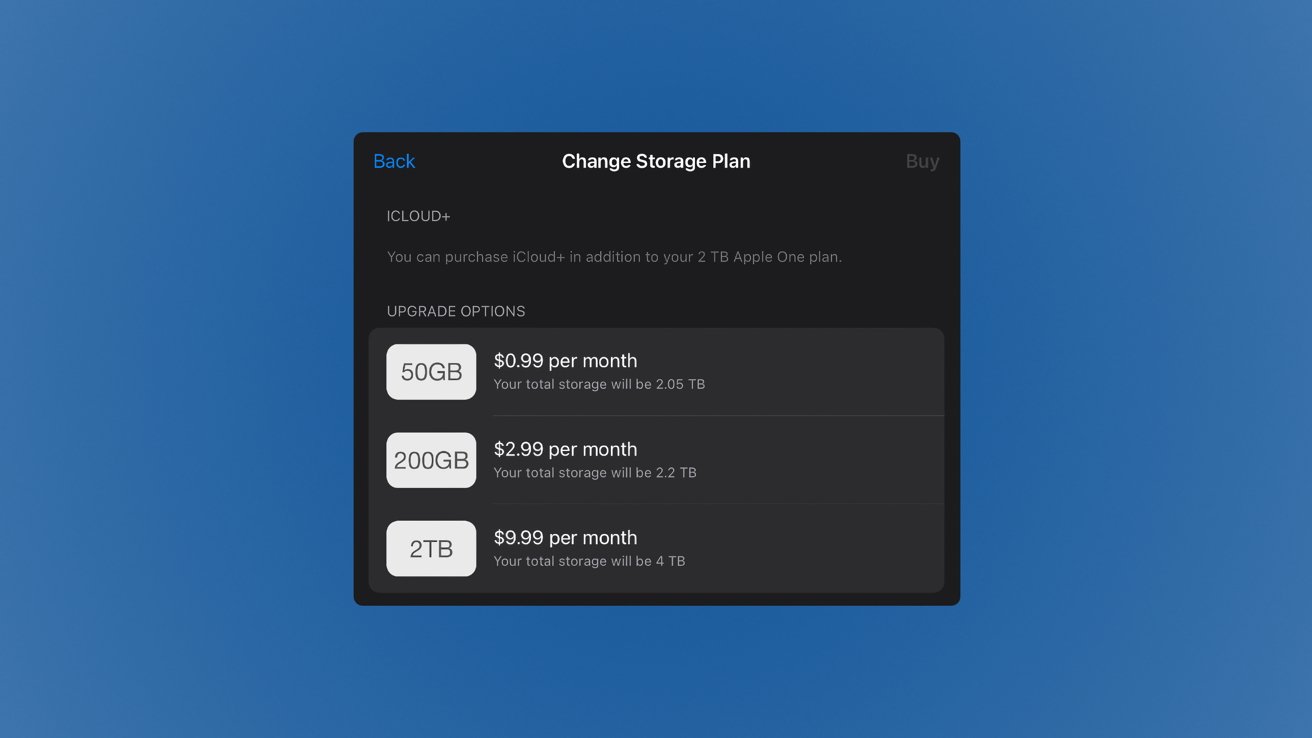
Apple has been accused of using uncompetitive pricing for its iCloud storage options in the UK.
At the time, Apple gave its users 5GB of iCloud storage for free. While that may have been generous all those years ago, Which? argued that 5G wouldn't meet consumer needs in 2024 and beyond.
There might be some truth to this claim, as almost two-thirds of US Apple users paid for extra iCloud storage in 2024. However, Apple dealt with a lawsuit about its 5GB free iCloud storage option in the United States, and that case was ultimately dismissed the same year.
The UK lawsuit against Apple, however, is still ongoing, and it revolves around more than just the free 5GB storage plan.
Which? also argued that Apple made iCloud the simplest cloud service to use on iOS. Alternative cloud storage options on iOS truly don't deliver the same degree of integration.
If you wanted to store your photos and videos via Google Drive, for instance, you'd have to install the app yourself. You also wouldn't be able to use a Google-designed tool or locking tool in place of Find My on iOS, which requires the use of an iCloud account.
If the UK lawsuit against Apple succeeds, all iCloud users in the country will be automatically opted in, meaning they'll be eligible for payment. This includes UK consumers who have used iCloud on or after November 8, 2018.
The case could also set a precedent in the country. One member of the UK's Competition Appeal Tribunal argued that we could see a multitude of similar cases centered around hypothetical purchases.
Still, the outcome of the class-action lawsuit remains to be seen, and it could be months before a decision is made.