An ex-Apple designer has revealed just how long ago that the company began working on AirPods Max and the reasoning behind not having an Apple logo on the product.
The original AirPods came out in 2016, and AirPods Max weren't launched until 2020. So it's an easy assumption that Apple only decided to make AirPods Max once those initial tiny white earbuds had proven to be a success.
Then, too, it took so long for AirPods Max to ever be updated that it had to feel like they were not considered important. That's especially so since their eventual update chiefly consisted of switching them to using USB-C for charging.
Yet according to designer Eugene Whang, he was working on AirPods Max fully five years before they were released. Speaking to Highsnobiety magazine, Whang described the job as really being about three products.
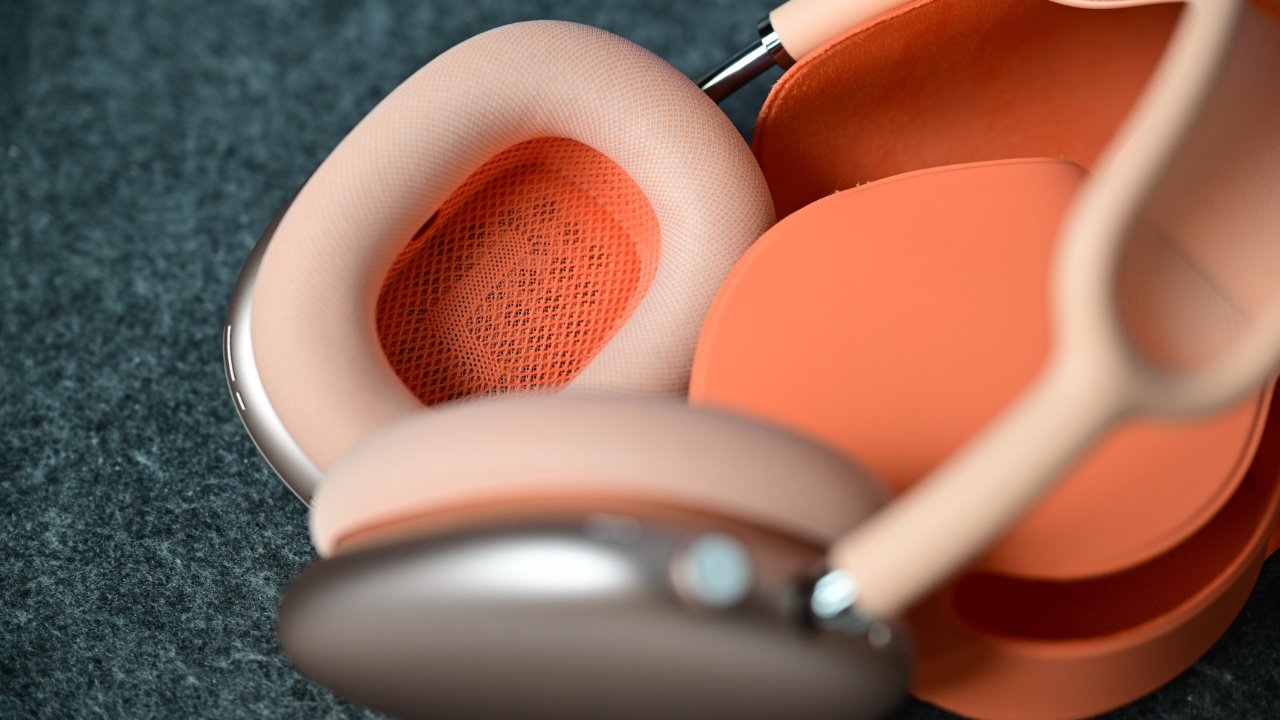
Those were the headband, the case, and the cushion that together hold the AirPods Max comfortably against people's ears. It was reportedly especially hard to get the cushioned section right because of trying to suit as many different size and shape heads as they could.
The process involved experimenting with "hundreds and hundreds of variations," he said.
According to Whang, there weren't just practical or technical issues to consider, nor was it all about what to add to the product. Instead, there were deeper issues, such as the way AirPods Max intentionally omit something every other Apple product has: an Apple logo.
"We didn't want to brand your head," says Whang.
Inside the design team
AirPods Max was reportedly one of the last products Whang worked on in his 22 years at Apple. And throughout that time, Apple was always about being disciplined in your approach to design.
"We would huddle around a table for hours," says Whang. "Everyone's equal. You're only as good as your ideas. We were very direct with one another."
"No one had any ego," he continued. "You're not criticizing the person; you're criticizing the idea."
Jony Ive has talked before about the importance of detail, and of how the care that goes into a product is felt by the user. Whang believes that too.
"If it's not right on the inside, it's not going to be right on the outside," he says. "We literally designed from the inside out."
"The interior details would have as much design work as the exterior," he continues. "The shape of the PCB. The placement of components. Constant shuffling and Tetris of internals."
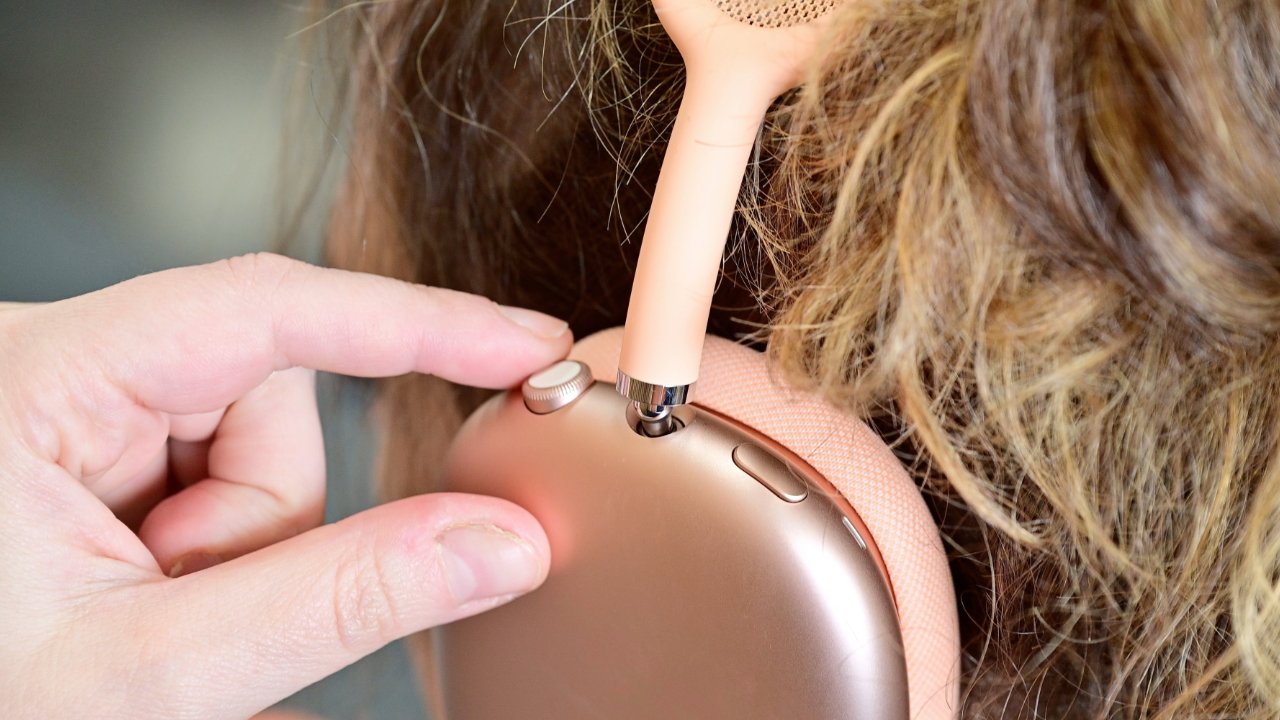
Hundreds and hundreds of variations were tried for how AirPods Max should fit comfortably
Whang is not shy about how he says Apple's designers "literally shaped culture through our products." But he seems to say it as factual, rather than through ego, because he then says that immediately after launch, the whole team is constantly concerned.
"There's always defense mode," he says. "What's going to go wrong that we didn't think of?"
Then, too, he was able to talk about this incredible impact of Apple products, and the concomitant pressures to keep doing well. "When you're in the eye of the storm, it doesn't feel that crazy. You're just doing the work," he says.
Whang left Apple shortly after Jony Ive did, and was one of the designers who went to work for Ive's startup, LoveFrom. Ultimately, he wouldn't shortly quit in order to care for his ill mother, but says that during his time at LoveFrom, he worked on a huge range of projects from technology to interior design.
"It was amazing, the work was inspiring," he says, "the people were inspiring."
Separately, LoveFrom most recently showed off its technology and interior design with the Ferrari Luce electric vehicle.