

A new leak claims Apple may bring titanium back to future Pro iPhones after moving the iPhone 17 Pro to aluminum, a reversal that could reintroduce many of the material's old tradeoffs.
A May 17 Weibo post from leaker "Instant Digital" claimed Apple is researching improved titanium alloys for future iPhones rather than abandoning the material entirely. The post also claimed Apple is still exploring liquid metal and glass for future premium iPhone designs.
Instant Digital has a mixed track record with Apple leaks, though earlier reports correctly pointed to features like Camera Control before Apple announced them.
Apple hasn't publicly discussed material changes for future iPhones, and the leak offers little evidence beyond claims about Apple's internal thinking.
Apple has repeatedly changed materials when priorities shifted
Apple's hardware history shows a pattern of moving between materials based on engineering and manufacturing goals instead of long-term attachment to a specific premium finish.
Aluminum replaced plastic across much of the Mac lineup because it improved rigidity and overall build quality. Stainless steel later became the defining material for premium iPhones because it delivered a denser and more polished feel than aluminum.
Titanium replaced stainless steel on the iPhone 15 Pro to cut weight without giving up durability. Apple heavily promoted the material during the iPhone 15 Pro launch cycle as a major part of the phone's design.
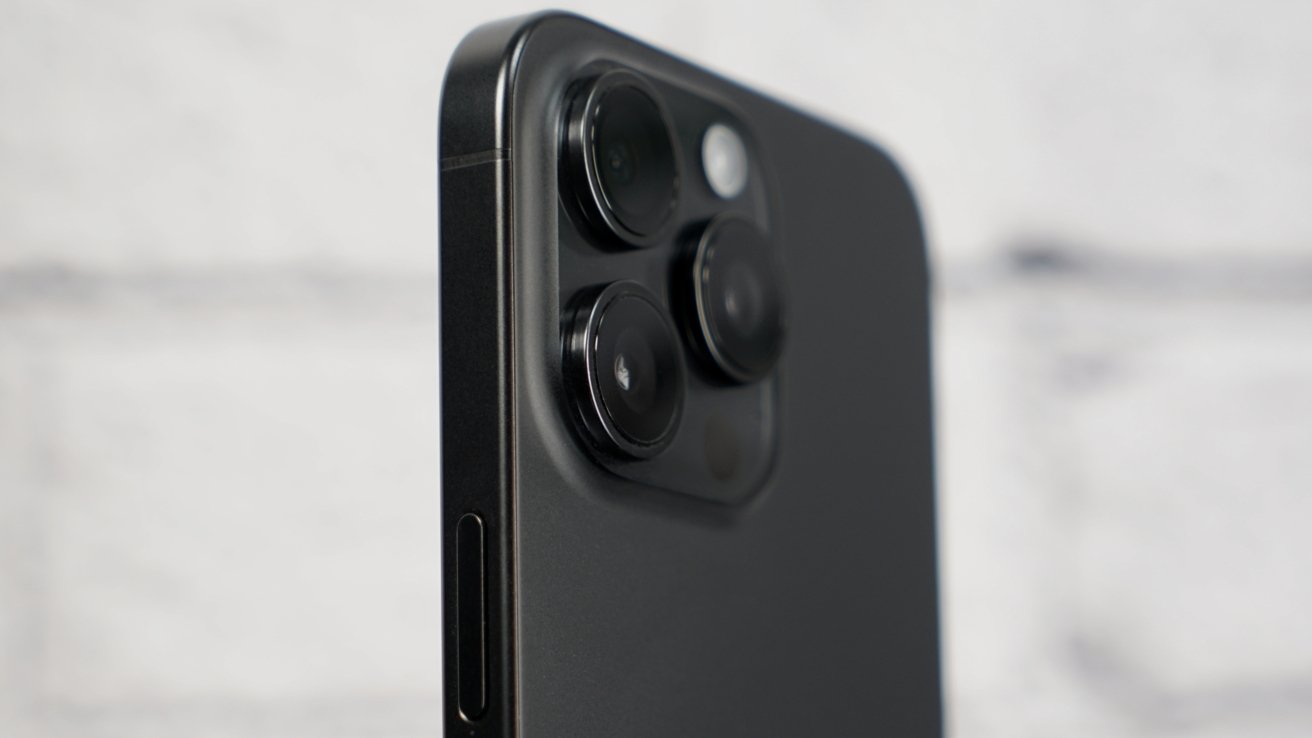
Apple briefly used titanium on the outer edge of iPhones
Apple has repeatedly abandoned heavily promoted hardware decisions once the tradeoffs stopped making sense.
Butterfly keyboards, the Touch Bar, and FineWoven accessories all launched with major marketing support before Apple shifted direction. Titanium also carries real engineering drawbacks alongside its advantages.
Titanium is harder to machine, costs more to produce at scale, and transfers heat less efficiently than aluminum. Heat complaints surrounding the iPhone 15 Pro pushed more attention onto thermal performance across Apple's lineup.
Apple later said software conditions and some third-party apps contributed heavily to overheating reports affecting the iPhone 15 lineup.
Modern iPhones face growing thermal demands from gaming, photography, video processing, and on-device processing features. Sustained performance increasingly depends on how efficiently a device can move heat away from internal components.
Aluminum remains one of the industry's most practical materials for thermal management. It's also easier to recycle, easier to manufacture consistently at Apple's scale, and potentially more flexible for thinner or lighter designs.
A return to titanium wouldn't necessarily mean Apple views aluminum as a failure. It would likely mean the company believes it has solved enough of titanium's thermal and weight drawbacks to justify bringing the material back.
Future-material claims remain much harder to verify
The leak also claims Apple is still researching liquid metal and glass for future high-end iPhone designs. The company has experimented with liquid metal alloys for years and holds multiple patents involving the material.
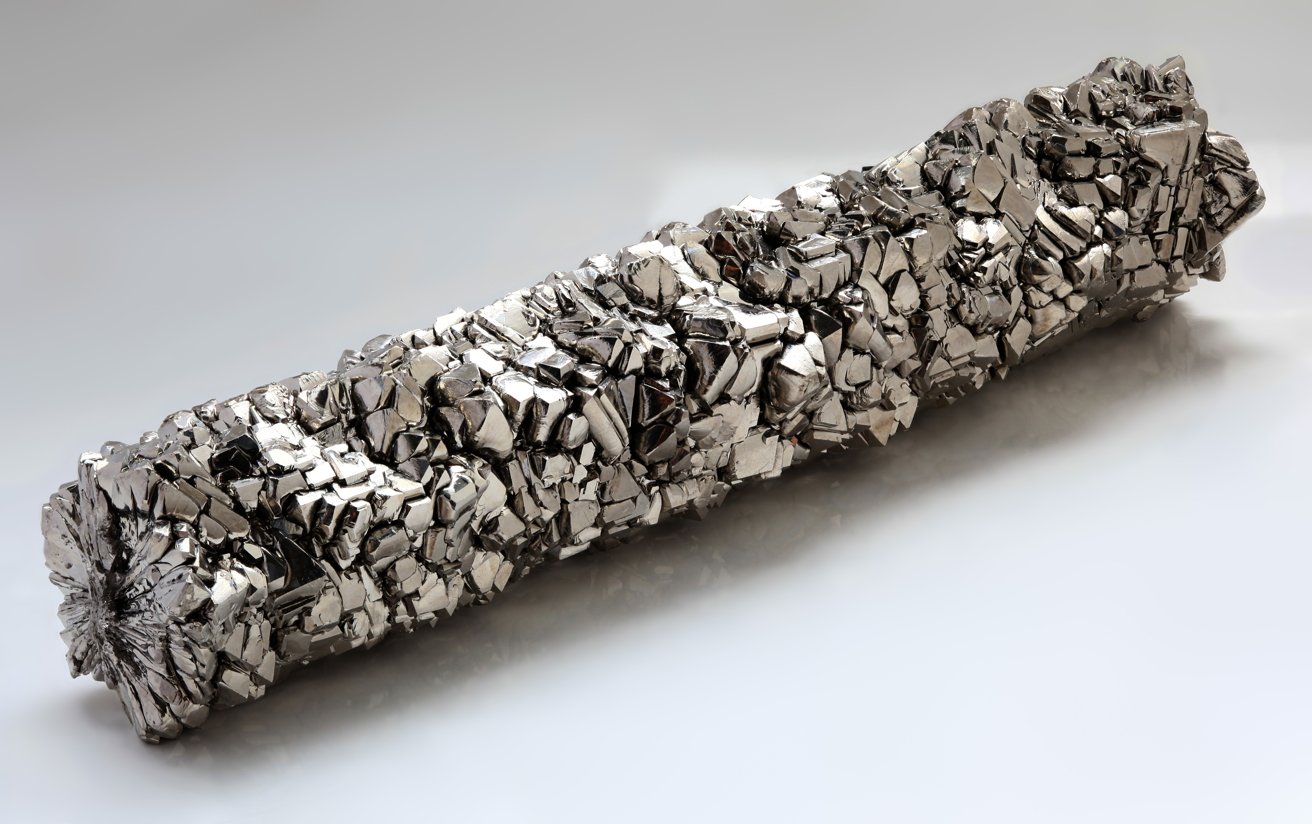 Titanium. Image credit: Wikipedia
Moving liquid metal from small internal parts to full iPhone frames would still require major manufacturing advances. The post itself acknowledges those production challenges.
Large-scale liquid metal manufacturing would create difficult durability, molding, and repairability problems. The leak's foldable iPhone claim is easier to believe.
Foldable hinges require extremely durable materials in compact spaces, making liquid metal a more realistic candidate there than for a complete external chassis.
Glass frame claims remain even more speculative. Glass could potentially improve wireless performance and industrial design flexibility, but durability and repair concerns would create obvious obstacles for a mass-market smartphone frame.
Battery size, cooling systems, and internal packaging now shape smartphone hardware decisions more than exterior materials alone.
Users are more likely to notice lower weight, cooler temperatures, or longer battery life than the specific metal surrounding a phone's frame. If Apple moves the iPhone 18 Pro or a later model back to titanium, the decision would likely require solving many of the thermal and weight tradeoffs that pushed the company toward aluminum in the first place.