WWDC is just around the corner. Here's what to expect from Apple about the future of iOS 27, macOS 27, AI, and Siri.
Apple's annual Worldwide Developer Conference will be held from June 8 to June 12. As it's big developer event, it is also the main place to discover the big changes that will be arriving in its operating system updates due this fall.
Just after the keynote announcing the news, Apple will release its first developer beta builds of iOS 27, iPadOS 27, macOS 27, watchOS 27, tvOS 27, and visionOS 27. These will be a second beta-testing track alongside the current-gen 26 versions, though those will be more for performance and bug fixing rather than introducting new features.
In the months leading up to the event, many rumors have circulated about what Apple will announce to the world. In an industry that is now ever so focused on AI, and with a massively delayed Siri revamp on the books, WWDC has become a very important presentation for Apple.
This is what you can expect Apple to talk about during the keynote and across the week.
iOS 27, iPadOS 27
The main points of interest will be in iOS 17 and its stablemate, iPadOS 27. Continuing the name convention established one year ago, the operating systems won't have as much of an overhaul as they did in WWDC 2025, but there will be changes.
Early rumors in November 2025 likened iOS 27 to the macOS Snow Leopard release, in that it was more about stability and bug fixes than features. Likewise, expect there to be improvements to how the operating system functions on a fundamental level.
That also includes potential updates to battery life.
As for visible changes, there are expected refinements to Liquid Glass, Apple's current choice of aesthetic. There have been claims of a system-wide slider to change the intensity of the glass effect, similar to the lock screen clock slider.
The home screen will get a new customization tool, namely the ability to revert edits made to the layout or other elements. This will make it easier for users to try out a change before changing their mind.
For other apps, you can expect an update to the Camera app to add a more accessible Visual Intelligence button, possibly referred to as "Siri Mode." The Photos app will also get more Apple Intelligence features, including the ability to extend, enhance, and reframe shots.
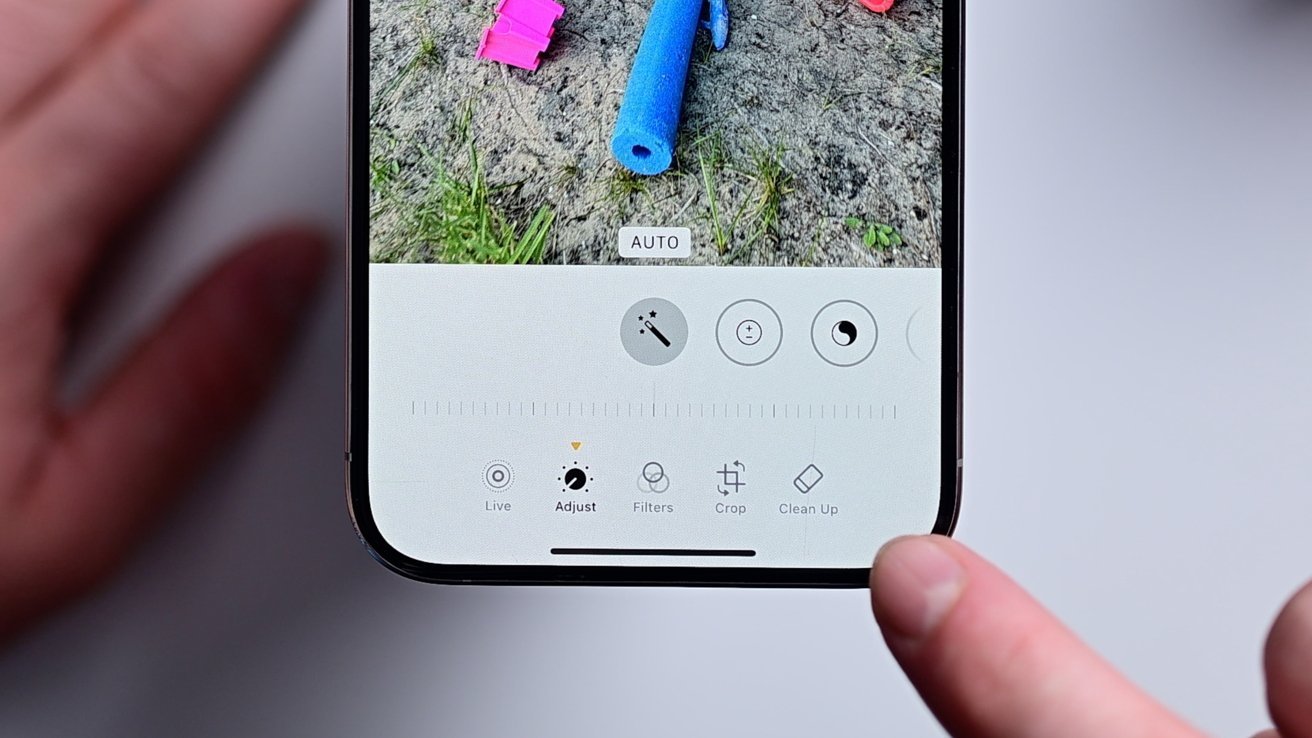
The Photos app in iOS 27 is expected to get more AI features
Safari will gain some changes, with the chief one being automated tab grouping.
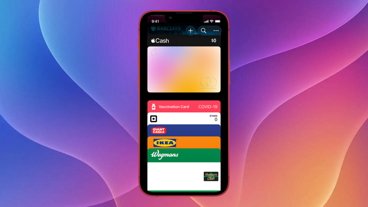
The Wallet will let users create their own digital passes from real-life tickets and cards that don't have digital equivalents. You may also be able to split the bill and send requests for payment to your contacts after photographing a receipt.
There have been some regulatory-related rumblings too, with the EU's Digital Markets Act potentially forcing a change. Apple is believed to be allowing users to use alternatives to AirPlay, such as Google Cast, to meet the Act's rules.
The main show, however, will be Siri's revamp, which will arrive two years late. It's also expected to arrive in beta.
This will also arrive with an upgraded appearance, if a leak is right. Apparently Siri will take up space at the top of the iPhone screen, growing the Dynamic Island to show a prompt for text entry.
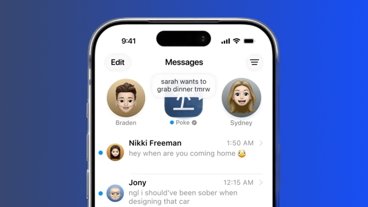
You may also end up interacting with Siri in a new way. Influenced by other AI services, there have been rumblings about a Siri Chatbot app instead of the existing system, which would allow for you to have conversational threads with the assistant.
The changes will include Apple's previously-promised context awareness, as well as other smarts brought in thanks to Apple's use of Google Gemini as a base. The ability to understand multiple commands in a single sentence will also be there.
There's also been hints at health-related features, under the title of Apple Health Plus.
However, while Siri will be the main AI in use, with ChatGPT's integration continuing to exist, there should be more options for users. Reports have hinted that more third-party AI support is also on the way.
Ahead of WWDC, a subdomain for "GenAI" was discovered, which may play into proceedings.
iOS 27 and iPadOS 27 will include some more accessibility features, including to VoiceOver and Magnifier, natural language Voice Control, more subtitles for video, and other changes. These have been confirmed by Apple in a Global Accessibility Awareness Day reveal on May 19.
We may also get a hint at some features destined for the iPhone Fold too, since iOS 27 would have to support the model. So far, that seems to consist of a Split View-style feature, taking advantage of the large screen with an iPadOS-like addition.
macOS 27
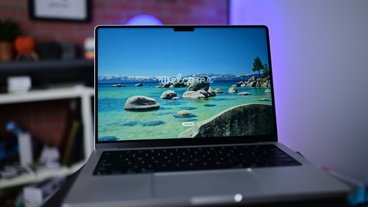
While we know that it will be macOS 27, we don't know the name of the operating system itself. It's probably going to be some form of California nature spot, be it a mountain range or a lake, unless Apple shakes up its naming convention again.
As for what to expect from Apple for it, a lot of the elements will be in line with iOS and iPadOS.
Liquid Glass will still be present in macOS 27
There will be a tune-up of Liquid Glass to make it more readable. Changes to apps like Safari and Photos will be similar in nature, as will be the Siri upgrades and other Apple Intelligence changes.
However, there are two changes affecting older Macs. Since macOS 26 Tahoe is the last version to actively support Intel Macs, you won't be able to update to macOS 27 on non-Apple Silicon hardware.
For developers, there's another thing to consider. Apps that were made for Intel Macs will continue to run in macOS 27, as it will continue to have Rosetta 2 support.
It does mean that macOS 28 will not support those apps, and developers will have to update them to work on Apple Silicon if they are to continue running on future Mac models.
One thing we may already know about is the name. Thanks to a possible social media snafu, it seems that it could be known as "Big Bear."
watchOS 27
There will be a new watchOS release this fall, with watchOS 27 due to be shown off at WWDC. However, there are few rumors about what it will include.
So far, we are aware of the Modular watch face from the Apple Watch Ultra being simplified for the non-Ultra models. That includes removing some of the complications to make it fit the lower-resolution and smaller screen.
Improvements to heart rate tracking have also been declared in rumors, but as part of an overall improvement package rather than one with many new features.
Other updates could also happen, such as power usage, but other than that, there's little to really go on at this time.
visionOS 27, tvOS 27
When it comes to tvOS 27 and visionOS 27, we are certain that there will be improvements made to both. However, again, there are no real rumors to hint at what will happen.
The probable minimums to expect are interface updates, matching the Liquid Glass refinements in the other operating systems in the generation. Apple Intelligence improvements and the new Siri will also impact them too.
Optimizations, maintenance, and bug fixes are also prime topics for both operating systems, too.
However, as part of the Global Accessibility Awareness Day announcements, Apple did say that there will be a new Wheelchair Control coming to visionOS. It uses the eye-tracking functionality to control a powered wheelchair.
Don't count on Mac mini or Mac Studio.
WWDC is chiefly a developer and software-centric event. That said, Apple has often used it to launch new hardware initiatives.
Don't count on it for 2026, though.
The current state of the hardware industry is one of panic, due to the ongoing memory and chip crisis raising prices of components. It's so bad that comments from CEO Tim Cook indicated that there won't be any new Macs or iPads introduced before September.
Apple could always mention future hardware it plans to introduce, but that would only be if it knows it can pull it off. A challenging manufacturing environment means it will be careful about making such claims in the first place.
It could always announce something like a new Apple TV model or a HomePod refresh, or even its rumored Home Hub tablet.
But, as it stands, they are very doubtful additions to make in a keynote that's chiefly about software.