A future feature will help curtail the problem of iPhone snatching, with development said to be focused on automatically locking a device ripped out of an owner's hand, making it useless.
Thieves snatching iPhones is a big problem in major cities around the world. In the UK capital London, it has reached a state where thieves will target iPhones over Android devices.
However, Apple is reportedly working on a way to try and stop criminals from stealing the iPhone out of users' hands. In code seen by 9to5Mac, Apple is actively developing a detection system to automatically lock an iPhone.
While a stolen iPhone can be sent to China and stripped for parts, the real issue is at times when the iPhone is snatched when it is in active use. If thieves can acquire an iPhone that has been unlocked, that gives them an immediate opportunity to access a user's data and accounts.
Apple's feature will apparently be similar in concept to Android's Theft Detection Lock. When the iPhone is forcefully taken from the user, various sensors, including the accelerometer, will determine if it was snatched from the user.
If the iPhone determines it was snatched, it is expected to automatically lock the iPhone.
One of these signals is believed to be the user's Apple Watch. If the linked iPhone rapidly travels away from the user, that's likely to be a theft.
As well as locking the iPhone, the feature will apply Stolen Device Protection rules, which were enabled by default in iOS 26.4. The feature may also take into account whether the user is connected to a known Wi-Fi network or is at home or work.
The feature is under development. It is unclear when it will actually be usable by consumers.
A continual battle
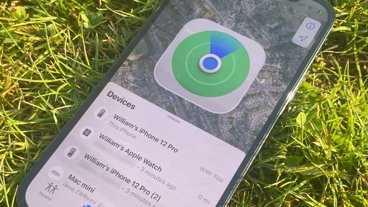
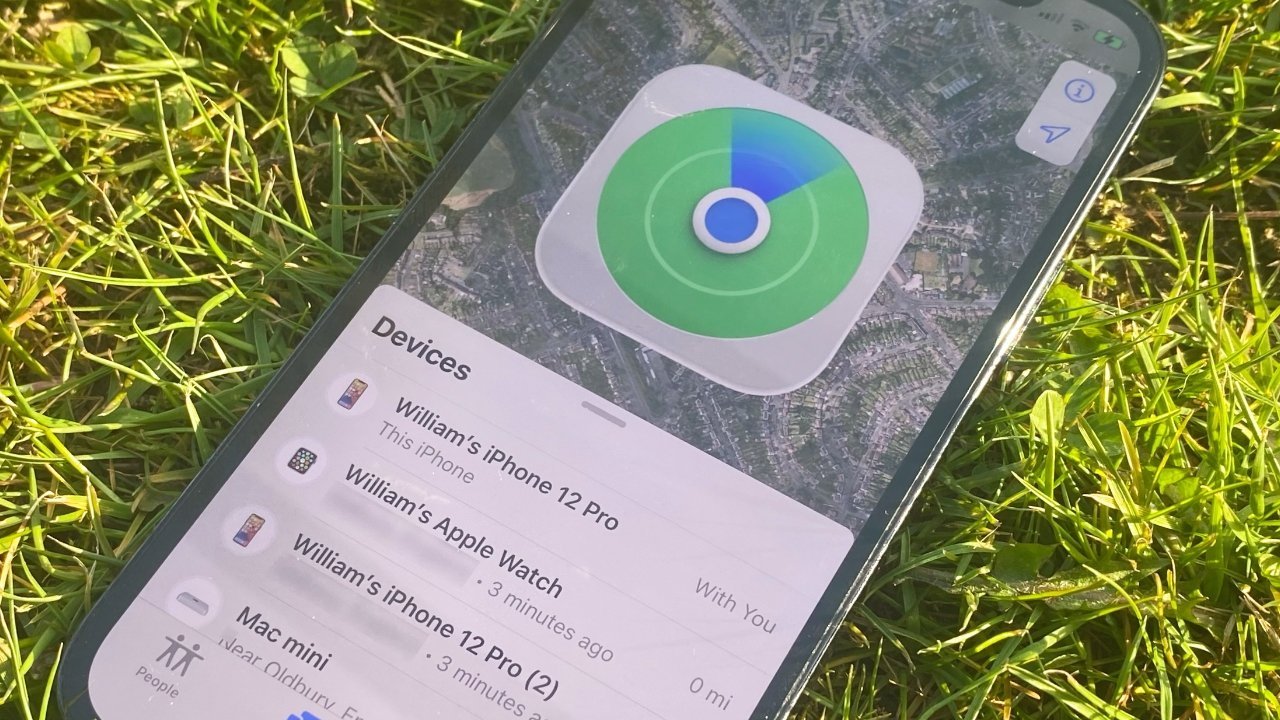
Apple's work to bring the new feature to devices is a strong response to criticism that it isn't doing enough. The criticism exists, despite the introduction of Find My tracking, Activation Lock, and Stolen Device Protection.
In November 2025, London's Metropolitan Police blamed Apple for failing to act on crime, continuing complaints against the company. Apple had access to the UK's National Mobile Phone Register, but police say Apple only checks for network statuses for trade-in devices, never for thefts.
Apple responded by telling the Met that it should get on with "traditional policing" and try to catch the thieves.
Meanwhile in India in December 2025, Apple told the Indian government that it wouldn't comply with an order to preinstall a state-backed app on iPhones. The government insisted that it was to help track and block stolen phones and to prevent misuse in scams and other crimes.
Apple, however, said that the app raised privacy and security issues. There were also fears that it could be employed as a mass snooping tool.