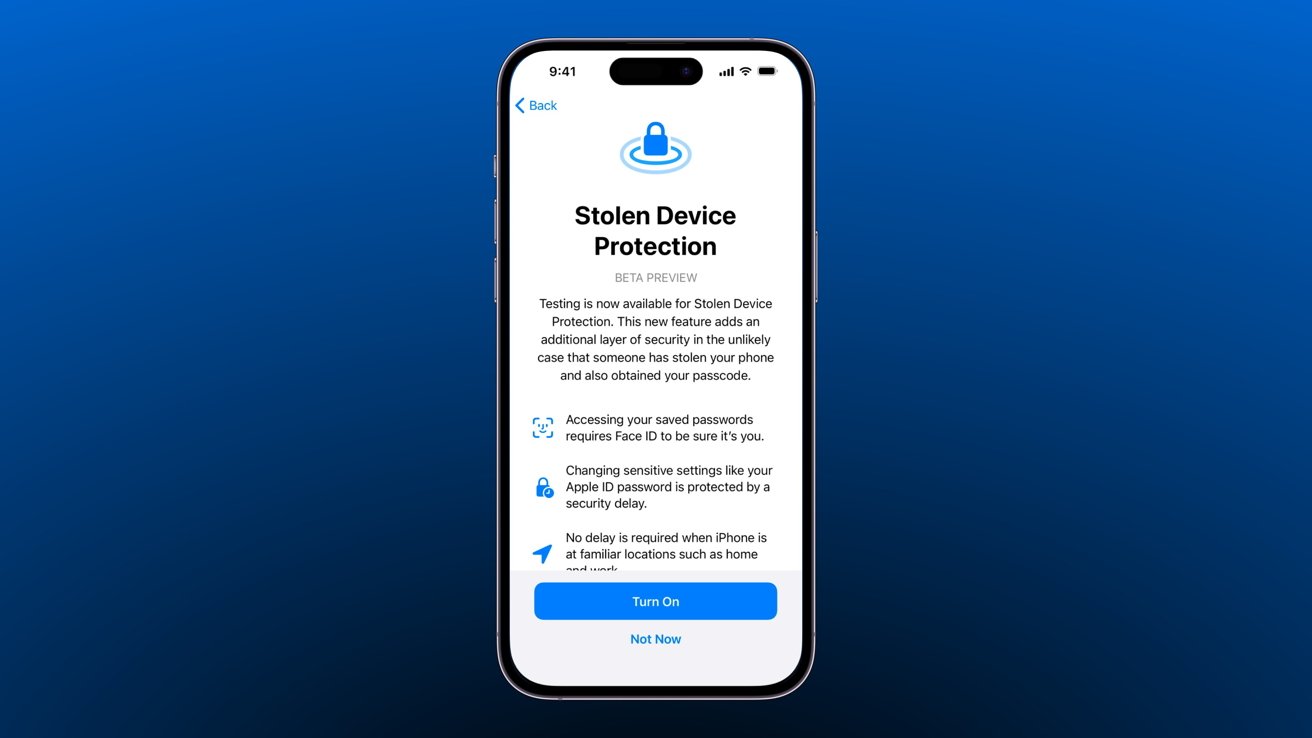
Three years after the feature rolled out, Apple is automatically enabling Stolen Device Protection in iOS 26.4, expanding safeguards against an ever-expanding epidemic of iPhone theft.
In 2023, Apple rolled out a new feature called Stolen Device Protection. The feature is designed to prevent iPhones from being accessed if a thief manages to both learn a user's passcode and steal their iPhone.
This was a crucial change, as more and more reports rolled in, showing that this type of theft was on the rise. An experienced thief could easily access a user's list of passwords, access bank accounts, and disable safety features such as Find My and Trusted Devices.
Previously, the feature was disabled by default, and users would need to enable it via settings. But that's about to change.
Apple will be opting all users into Stolen Device Protection in iOS 26.4. If you haven't used it yet, here's what you need to know about it.
How Stolen Device Protection works
When Stolen Device Protection is enabled, the following requires biometric authentication with no passcode fallback:
- Using passwords or passkeys saved in Apple Passwords
- Applying for a new Apple Card
- Viewing the Apple Card virtual card
- Turning off Lost Mode
- Erasing all content and settings
- Take certain Apple Cash and Savings actions in Wallet
- Using payment methods saved in Safari
- Using your iPhone to set up a new device
That means a thief with your iPhone and passcode could not access these settings. Any one of these settings could lead to significant financial loss or compromise of the user's Apple ID.
Features not mentioned in the above list will still have a passcode fallback option, like authenticating Apple Pay. However, FDIC insurance will cover fraudulent charges if a thief uses Apple Pay.
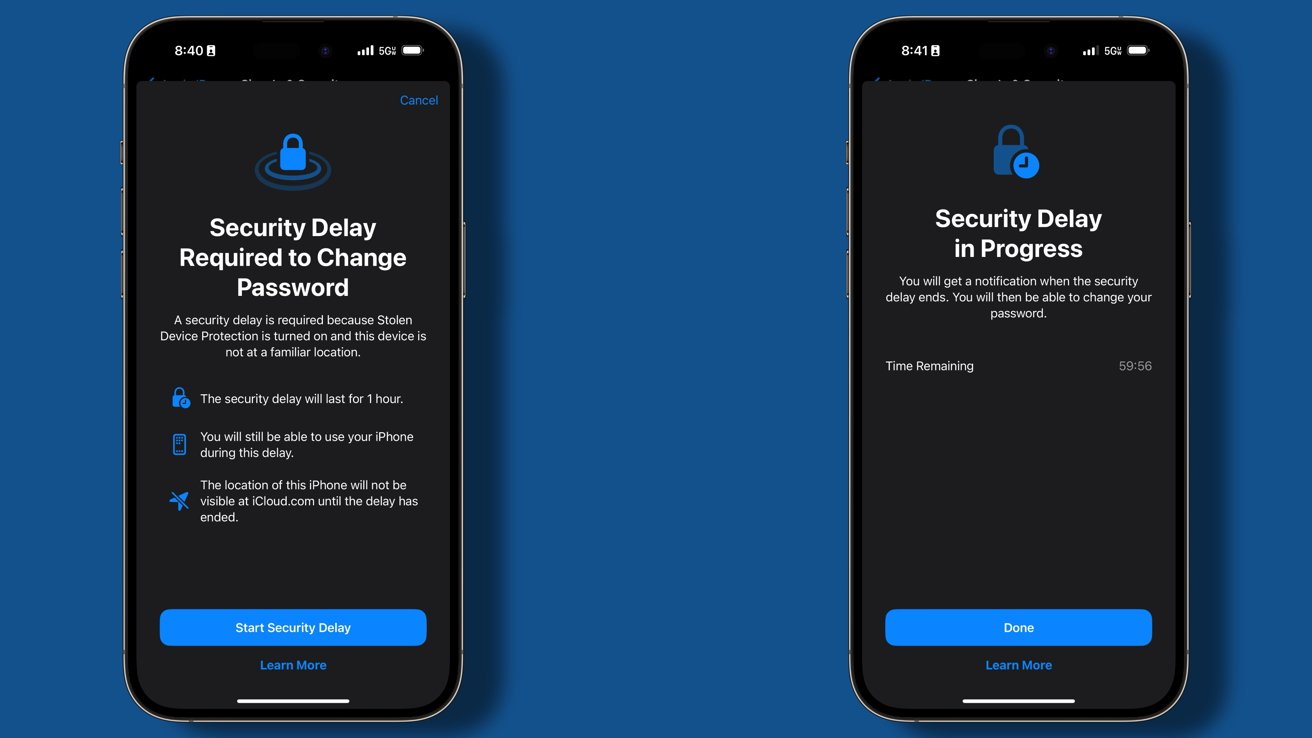
Stolen Device Protection one-hour delay
Apple adds another layer of protection for especially sensitive settings and controls — a one-hour delay. If the user is outside of a trusted location and attempts to alter the following settings, a biometric scan followed by an hour delay and another biometric scan occurs.
- Changing your Apple ID password
- Updating Apple ID account security settings, like removing a trusted device, trusted phone number, Recovery Key, or Recovery Contact
- Changing your iPhone passcode
- Adding or removing Face ID or Touch ID
- Turning off Find My
- Turning off Stolen Device Protection
Trusted locations are learned by the iPhone and are not user-addressable. Significant locations such as home and work are used as exemptions for Stolen Device Protection.
How to disable Stolen Device Protection
Disabling the feature can be done through Settings, but if you attempt to do so outside of a trusted location, it will trigger an hour-long delay between biometric scans.
- Open the Settings app and tap on "Face ID & Passcode"
- The toggle for Stolen Device Protection is about midway down the page
- Toggle the feature off
However, as we continue to pivot towards a fully digital ecosystem, AppleInsider highly recommends leaving the feature activated. Stolen Device Protection won't prevent your iPhone from being stolen, but it might keep your Apple ID, passwords, and finances safe from thieves.