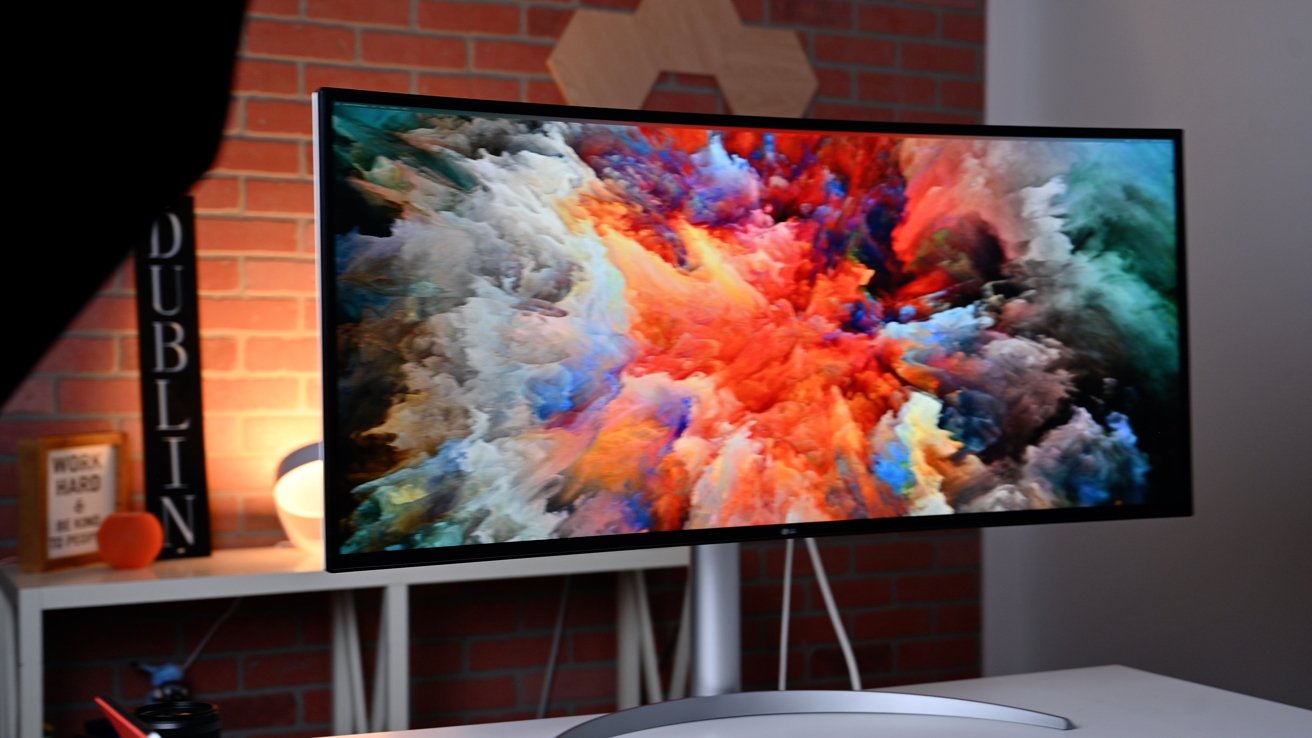
Apple is adding explicit ultrawide display support in macOS 27, enabling higher-resolution display modes and preserving monitor layouts when displays are reconnected.
The feature appeared in Apple's macOS 27 preview materials released on June 8 during WWDC26. Macs can drive higher resolutions on supported ultrawide displays, with Apple citing 5K at 120Hz as one example.
The update also remembers display arrangements between sessions, allowing monitors to return to their previous positions automatically when reconnected.
There has been barebones support ultrawide monitors for years, but macOS 27 is the first release to promote ultrawide display support as a standalone feature. The company says display layouts will stay "exactly as you left them" when a monitor is reconnected.
The update could make ultrawide displays easier to use for Mac owners who regularly connect and disconnect external monitors. Higher-resolution modes can provide additional workspace on supported displays, while saved display layouts reduce setup time when reconnecting a monitor.
Apple specifically cited 5K at 120Hz as an example of the higher resolutions available on supported ultrawide displays. The company hasn't disclosed how the feature works or whether it depends on specific Mac models, display technologies, or connection standards.
It hasn't described the feature as a HiDPI update. Apple hasn't announced new Retina scaling modes, Display Stream Compression enhancements, or changes to macOS display scaling technology.
Apple released the first macOS 27 developer beta following its WWDC26 keynote on June 8. A public beta is expected later this summer ahead of a general release in the fall.