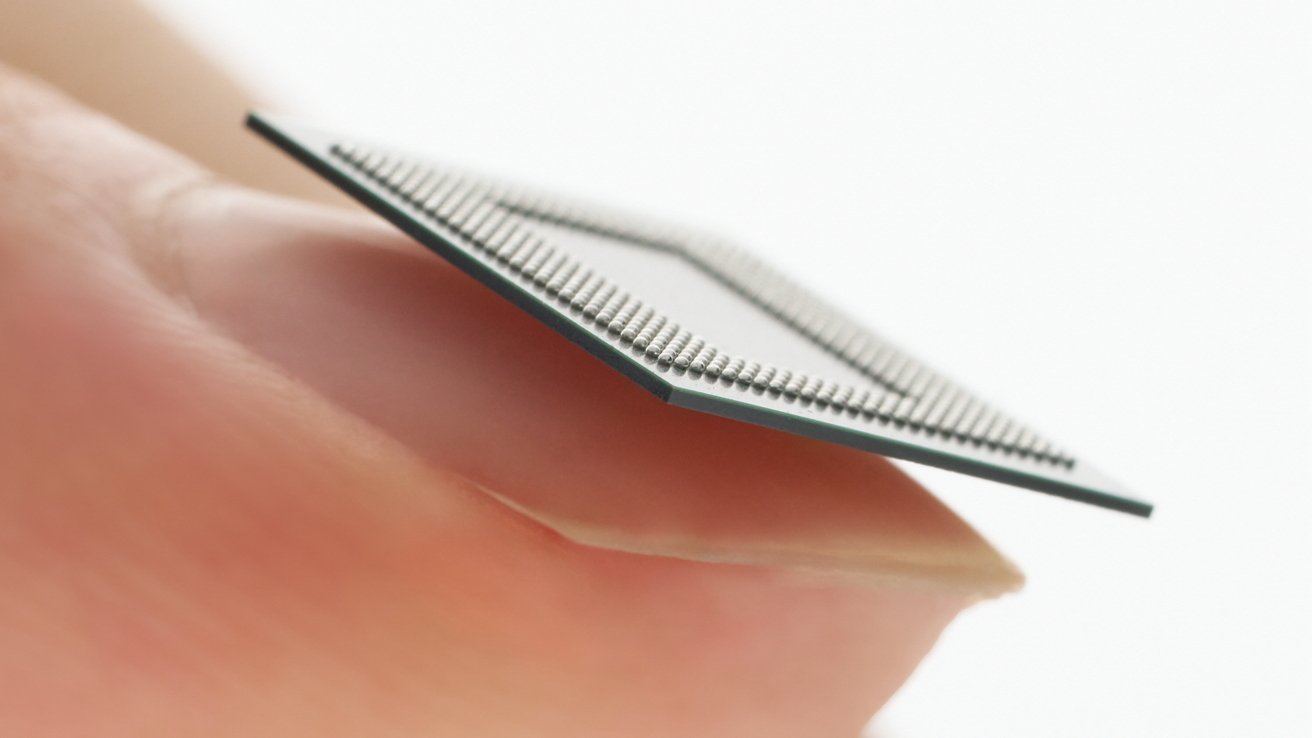
Apple has petitioned the Trump administration to allow it to buy Mac RAM chips from a blacklisted Chinese supplier, to ease the price pressure caused by the global memory crisis.
The tech industry is continuing to struggle with keeping the cost of manufacturing low due to the ongoing demand for memory chips. While Apple is also affected and now passing down the costs to consumers, it's still trying to find ways around the problem.
According to six people speaking to the Financial Times, Apple has reached out to the Trump administration. It wants permission to buy memory chips from the Chinese memory supplier CXMT.
The problem is that CXMT is a memory chip maker that is on the Chinese Military Company Blacklist, or 1260H list. It is a list of firms that the Pentagon believes have links to the People's Liberation Army, and therefore could undermine the national security of the U.S.
Apple has reportedly reached out to the Commerce Department over a month ago, as well as the administration and others in Washington to try and get the green light.
The naughty list
The existence of CXMT on the Chinese Military Company Blacklist doesn't stop Apple from buying chips from it. However, the existence on the list has repercussions that would affect Apple.
The Defense Department is not able to make agreements with companies on the list, nor use any products and services from third parties that use their components. That would mean Apple would suddenly lose sales from that arm of the U.S. government.
That's not the only problem that Apple faces, because it's not the only list to be concerned about. In 2025, the Department of Commerce indicated that CXMT was one of a number of Chinese companies it wanted to put on to the "Entity List."
At the time, the White House told the Commerce Department to hold off from adding them to the Entity List, which would've blocked all trade with the company completely. The administration was negotiating with China at the time to try to end the trade war.
CXMT is not on the Entity List, but that can still change. While Apple can get permission to buy from CXMT, there's no guarantee that it could later be added to the Entity List, disrupting supplies once again.
For the moment, Apple would have to deal with a reputational risk of being associated with CXMT, but it can always get worse.
Lawmaker worries
Aside from getting permission to get the chips, Apple will also have to deal with a backlash from other U.S. lawmakers.
To the Republican chair of the House China Committee, John Moolenaar, it would be a "grave mistake" for Apple to make a deal. Doing so would help China succeed in dominating critical supply chains, making the U.S. tech industry more dependent on China.
Apple previously felt pressure in 2022 when it thought about sourcing memory chips from YMTC, specifically for iPhones to be sold in China. Marco Rubio, the top Republican on the Senate Intelligence Committee at the time, said Apple was "playing with fire."
Rubio added that Apple would face extreme scrutiny from the U.S. government, even though they were for memory chips to be sold in iPhones elsewhere.
Apple does have a duty to its customers and a fiscal responsibility to its shareholders to make sales without wasting funds. Securing another memory supplier is a natural thing for it to do in this case, especially when the world is jointly facing the same memory pressures.
The obstacle here isn't one of price, but in keeping the United States government on-side. Under the current political climate, that's going to be a very tough sell, even with current CEO Tim Cook's years of relationship groundwork.
It may well be a political price that's just too high. Something that consumers will pay for either way.