Apple's largest memory suppliers are being sued in California, with consumers and small businesses alleging Samsung Electronics, SK hynix and Micron coordinated DRAM production cuts that drove up memory prices.
Apple isn't accused of wrongdoing in the lawsuit. Samsung, SK hynix and Micron supply memory used across Apple's hardware lineup, putting the dispute much closer to customers than it might first appear.
The company has already raised prices on several Mac, iPad and other products after saying higher RAM and storage costs had become too expensive to absorb. Court filings argue coordinated DRAM production cuts contributed to those higher costs, though the plaintiffs still have to prove that claim.
Court filings argue the shift reduced supplies of mainstream DRAM, including DDR3 and DDR4, and drove prices higher across the market. The allegations haven't been proven, and Micron denied the claims and said it will defend itself, according to Investor's Business Daily.
The lawsuit targets the AI memory shift
The complaint centers on DRAM, the working memory used in computers, smartphones, tablets, servers and many other electronic devices. Samsung, SK hynix and Micron dominate the global DRAM market, giving them enormous influence over memory supply.
Counterpoint Research said Samsung held a 38% share of global DRAM revenue during the first quarter of 2026, followed by SK hynix at 29% and Micron at 22%. Plaintiffs argue that concentration is central to the lawsuit because a competitive commodity market would normally encourage at least one supplier to expand production as prices rise.
Instead, the complaint alleges Samsung, SK hynix and Micron shifted manufacturing capacity toward HBM, which commands much higher prices from AI companies. Companies are free to pursue more profitable products, and that business decision isn't illegal by itself.
The lawsuit ultimately turns on whether Samsung, SK hynix and Micron coordinated those production decisions or reached the same conclusion independently. Antitrust law prohibits agreements among competitors, not similar business decisions driven by the same economic incentives.
Why Apple customers should care
Apple has spent months navigating the same memory market pressures described in the lawsuit. Industry analysts have widely attributed rising RAM and storage prices to AI demand, and the company cited higher component costs when it raised prices on some hardware.
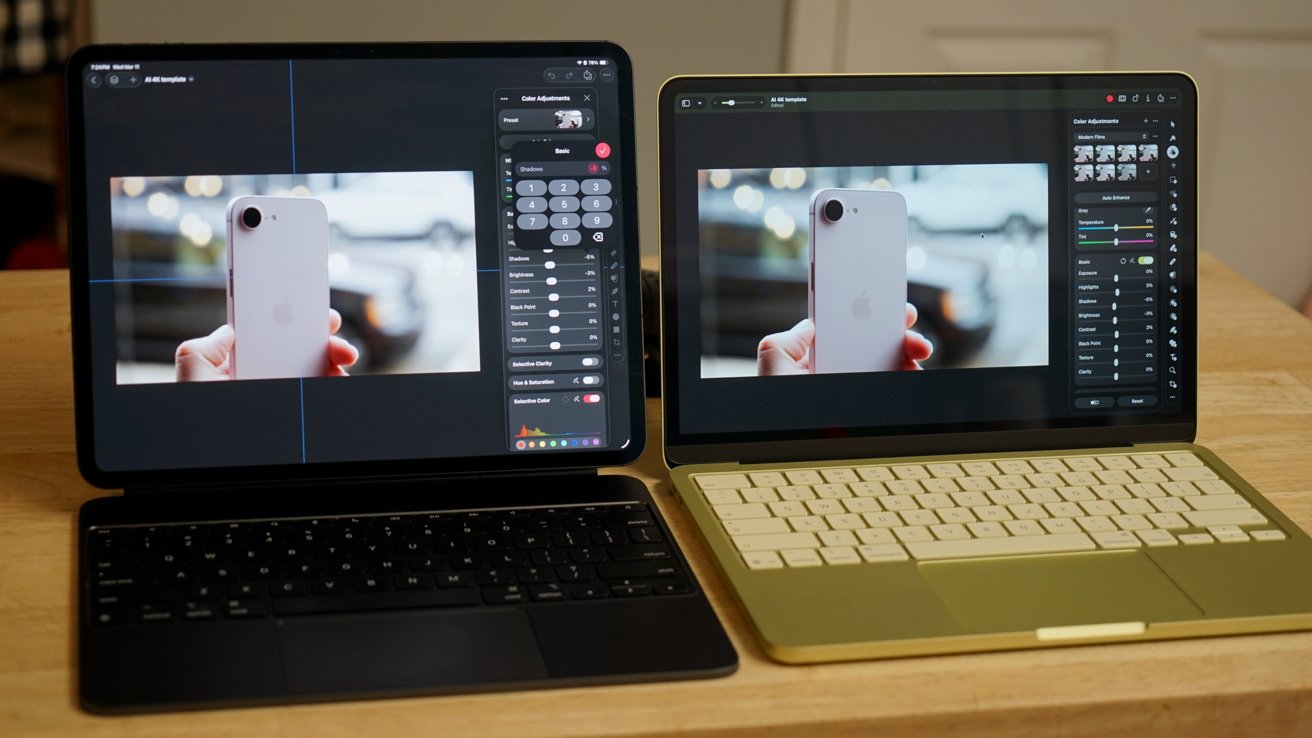 Industry analysts have widely attributed rising RAM and storage prices to AI demand
Plaintiffs argue coordinated supply restrictions offer a competing explanation for those higher memory costs. The companies maintain they independently responded to the same market conditions.
Court-ordered discovery could become the most important stage of the case if the lawsuit survives early legal challenges. Emails, production plans and other internal records could show whether Samsung, SK hynix and Micron coordinated production decisions or acted independently.
The DRAM industry has faced price-fixing cases before
The lawsuit arrives against the backdrop of earlier DRAM antitrust cases. Samsung and Hynix pleaded guilty in the 2000s to participating in a DRAM price-fixing conspiracy investigated by the U.S. Department of Justice.
Samsung agreed to pay a $300 million criminal fine in 2005, and Hynix agreed to pay a $185 million criminal fine that same year. Several executives also received prison sentences for participating in that conspiracy.
The earlier convictions don't establish that Samsung, SK hynix or Micron violated antitrust law in this case. The earlier cases do show the DRAM industry has faced similar allegations before, adding context as the current lawsuit moves through the courts.