
Come Seybold San Francisco this month, Apple's Power Mac G4 systems will have officially been stuck at an industry trailing 500MHz clockspeed for an entire year. And an AppleInsider two page report written back in January, entitled "Outlook for Faster G4 Systems Appear Gloomy," has unfortunately held its ground.
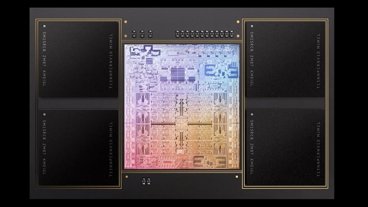
The report discussed Motorola's inability to deliver quantities of PowerPC G4 chips with clock-speeds exceeding 500MHz, due to the architecture of the current revision of the G4 and Motorola's manufacturing process. It also noted the move by Apple that requested IBM begin production of AltiVec enhanced G4 processors to help put a dent in Motorola's backorder pile.
While the G4 architecture belongs jointly to both chip manufacturers, IBM previously had no intentions of manufacturing AltiVec enhanced G4 processors since the rights to the AltiVec technology belong exclusively to Motorola.
According to PowerPC engineers, IBM's manufacturing process for the G4 processor is far superior to Motorola's. In February, sources say that IBM was churning out silicon G4 wafers that contained several 550MHz and occasionally 600MHz chips, though quantities were not sufficient enough to foster speed-bumped Power Mac G4s.
Last month anonymous sources informed AppleInsider that due to IBM's more advanced manufacturing processes, the company has successfully been manufacturing "much faster" G4 processors for months. These chips, which are rumored to run at clock-speeds of up to and beyond 600MHz, have yet to see the light of day.
According to anonymous sources, Motorola — who own the rights to the AltiVec technology used in the chip — have vetoed their release by IBM. Insiders suggest the move may have something to do with Motorola's sudden financial misfortune, where they don't wish to lose large sales to Apple that IBM would then obviously pick up.
Motorola suffered from higher manufacturing margins in the semiconductor business during their second fiscal quarter this year, and the company's stock has dipped over 20 points in the last several months.
Both IBM and Motorola were unavailable for comment and did not return phone calls on the subject.