Texas Instruments has officially opened its $60 billion semiconductor plant in Sherman, Texas, with Apple among the first customers to produce chips at the site.
The facility is the first of four new fabs in Sherman and part of a seven-plant expansion across Texas and Utah. The goal is to provide manufacturers with a U.S. source of critical chips that, until now, were mostly made overseas.
Apple confirmed it will manufacture "critical foundation semiconductors" for iPhone and other devices at the new plant. The chips aren't the high-performance processors designed in Cupertino but smaller analog and embedded components that manage power, sensors, and signals.
Each of these support chips costs only about 40 cents, yet they are indispensable. An iPhone can't ship without them, and a domestic supply helps Apple avoid higher costs under the new tariff regime.
The opening comes on the heels of new trade pressure. In August 2025, President Trump announced a 100% tariff on chips made abroad. That same day, Apple CEO Tim Cook raised the company's U.S. spending pledge to $600 billion over four years, up from $500 billion promised in February.
Cook said part of that investment would flow directly into Texas Instruments' facilities in Sherman, Richardson, and Lehi. By anchoring production in the U.S., Apple avoids steep tariff penalties and secures a steadier supply chain.
Why Apple cares about older chips
Texas Instruments doesn't build the cutting-edge 2 or 3 nanometer processors inside the latest iPhone 16e or Apple Silicon Macs. Instead, its focus is on analog and embedded chips, built on legacy nodes between 45 and 130 nanometers.
Those chips, according to CNBC, manage tasks like regulating power, reading sensors, and processing low-level signals. They may not dominate headlines, but they're the kind of parts Apple can't afford to run short on.
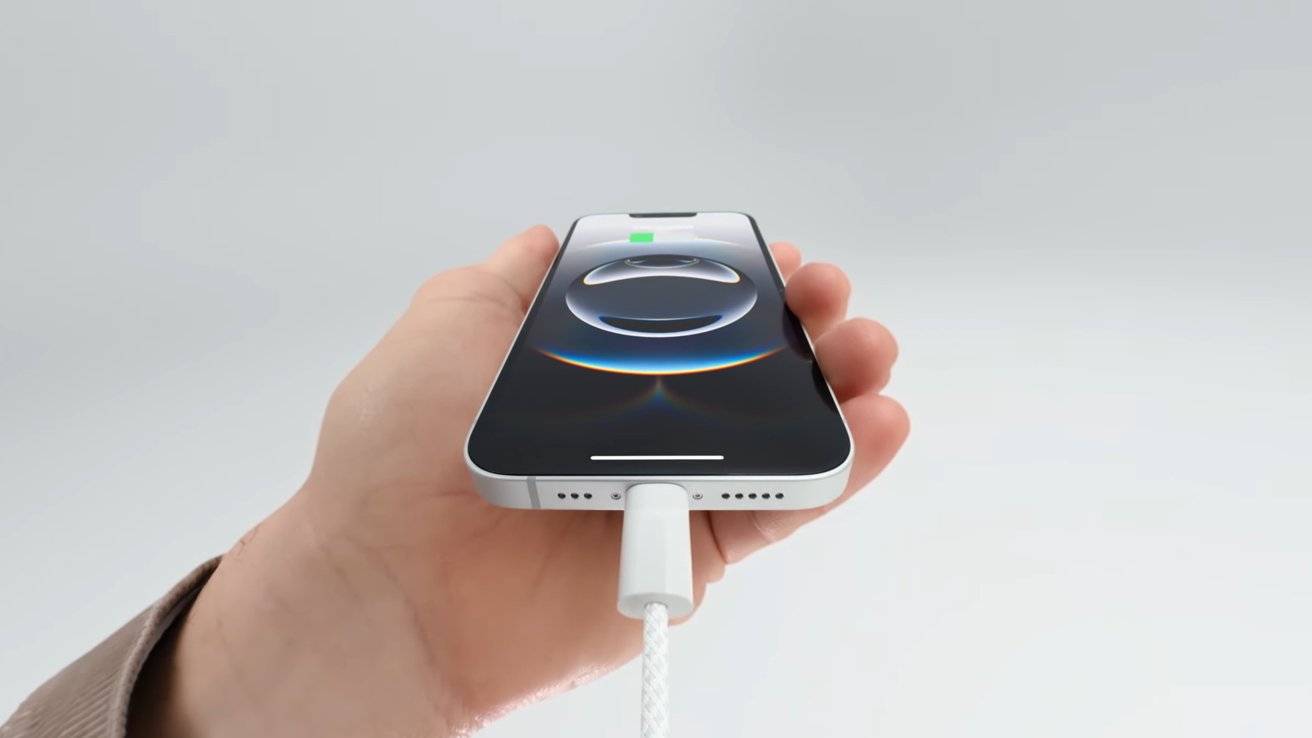
Apple's business depends on advanced processors
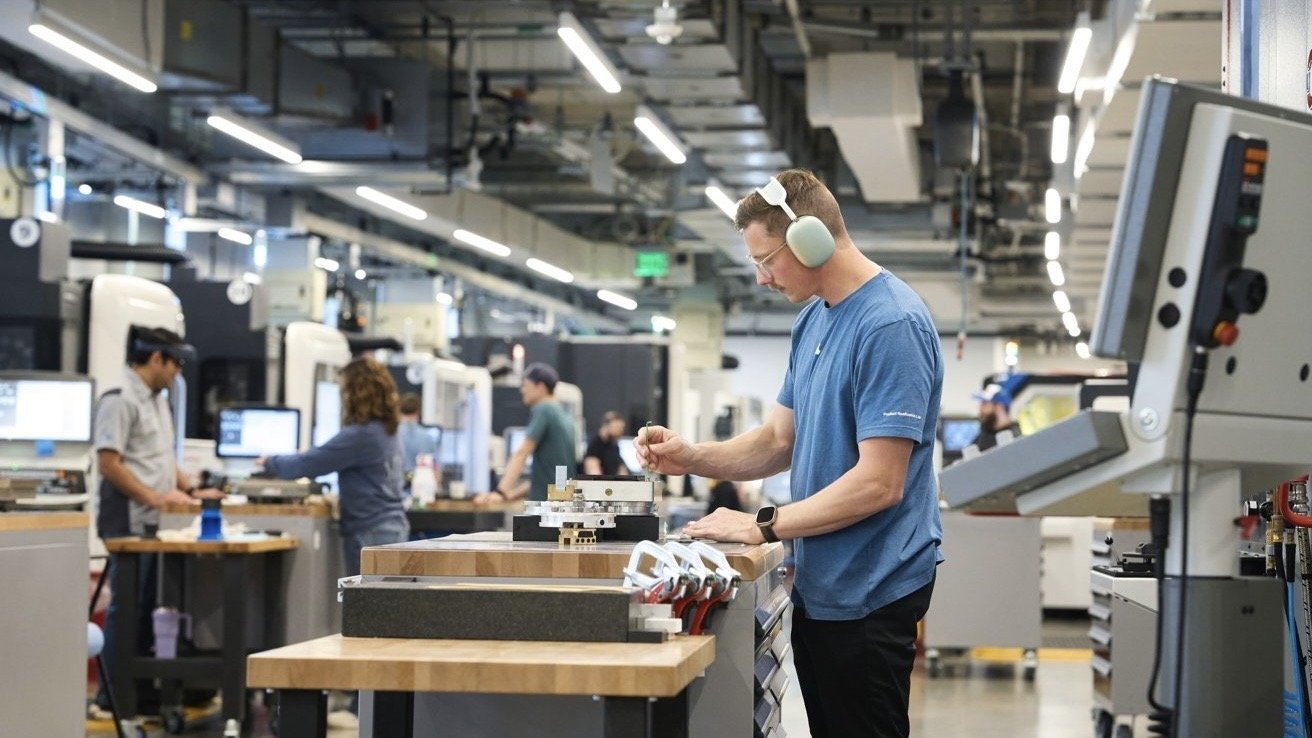
The Sherman facility is designed to run entirely on renewable energy and will recycle about half of the 1,700 gallons of water it consumes per minute. Larger 300mm wafers allow it to produce more chips with the same power usage .
Still, staffing remains a hurdle. The U.S. share of global semiconductor manufacturing fell from 37% in 1990 to just 10% in 2022.
TI is partnering with universities, community colleges, and the military to develop a pipeline of skilled workers. The company estimates the full expansion could create as many as 60,000 U.S. jobs.
Apple needs TI for the future
Apple depends on bleeding-edge processors, but those processors don't work without a constellation of cheaper chips that rarely get attention. By sourcing them in Sherman, Apple gains insurance against trade wars, tariffs, and global supply shocks.
The company's involvement also signals compliance with Washington's push to bring semiconductor production back to U.S. soil. It's not a glamorous alliance, but it's a practical one.
Apple's support for Texas Instruments' megaproject highlights the reliance of advanced tech companies on older technologies. The iPhone, designed in California, depends on cutting-edge silicon.
However, it also requires a consistent supply of analog chips from Sherman, Texas. Without these chips, the iPhone cannot function.