Apple has accused a former Apple Watch engineer of stealing confidential sensor technology and handing it to Oppo, a Chinese rival trying to catch up in the smartwatch market.
Apple alleged in a court filing with the Northern District of California on August 21, 2025, that former engineer Chen Shi copied trade secrets. Shi, who worked at Apple from 2020 to 2025 as a Sensor System Architect, is accused of taking the information before joining Oppo's InnoPeak Technology in Palo Alto.
Apple claims Shi spent his final weeks inside the company, downloading 63 confidential files from its secure Box folder and copying them to a USB drive before resigning. He also held dozens of one-on-one meetings with colleagues to extract information.
The stolen files allegedly included Apple Watch health technologies like photoplethysmography (PPG), electrocardiogram (ECG) features, and proprietary temperature sensing methods. They also contained chip engineering documents and product roadmaps.
The company points to internal chats where Shi told Oppo's Vice President of Health that he was "collecting as much information as possible" from Apple to share later. Instead of rejecting that plan, the Oppo executive reportedly responded with an "OK" emoji.
In a statement to the South China Morning Post, Oppo insists it has found "no evidence establishing any connection between these allegations and the employee's conduct during his employment" at the company.
Oppo also said it would "actively cooperate" with the legal process, and is confident that it will "clarify the facts."
Why Oppo matters here
Oppo may not be a household name in the U.S., but it's a heavyweight in China's smartphone industry. It entered the smartwatch market in 2020, years after Apple's 2015 debut.
InnoPeak Technology operates Oppo's U.S. research center in Silicon Valley, right in Apple's backyard. Apple argues that Oppo has been using the office as a beachhead to scoop up Western engineering talent and siphon off intellectual property.
Legal backdrop & familiar pattern
Apple's complaint leans on the Defend Trade Secrets Act, a 2016 federal law that gives companies a way to sue for stolen confidential information. Apple also cites breach of contract, since Shi signed a confidentiality agreement when he joined the company in 2019.
The case follows a familiar script. Apple has battled similar claims in the past, whether defending itself against Masimo over Apple Watch sensor patents or pursuing its own ex-employees like in the Rivos chip dispute.
In July 2025, Apple also accused a former Vision Pro engineer of copying confidential files before leaving for Snap.
The fight centers on employees leaving with knowledge or files that give rivals an edge. In a market where innovation is costly and slow to clear regulators, that shortcut can change the balance.
The stakes for Apple Watch
Health sensors have become crucial to Apple's wearable strategy. Since 2018, the Apple Watch has offered an FDA-cleared ECG app, later expanded with atrial fibrillation history tracking.
Apple's temperature sensors and blood oxygen monitoring enhance its appeal as a wellness tool. These features distinguish it from being merely a digital timepiece.
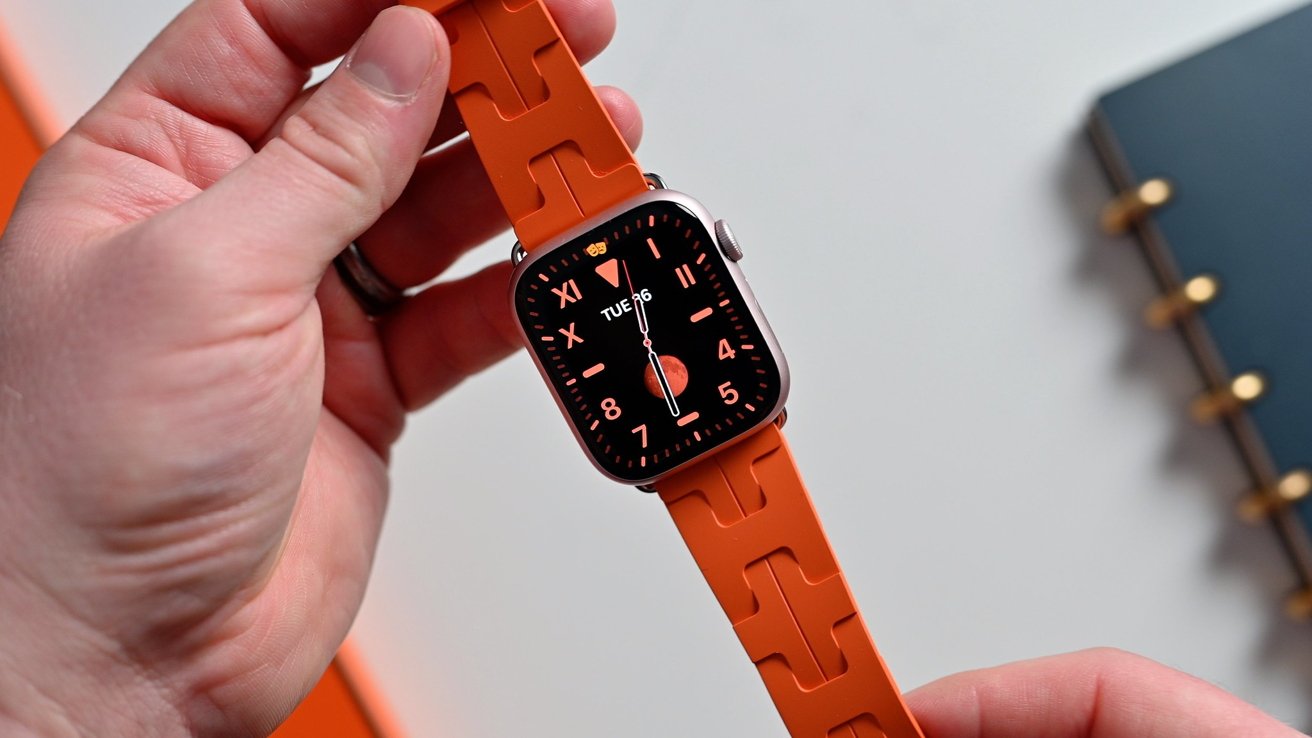
The lawsuit highlights how crucial health sensors have become to Apple's wearable strategy.
Apple, as reported by MacRumors, says its engineers spent years perfecting the hardware and algorithms that make wrist-based heart readings reliable, and handing those secrets to Oppo is like giving away a blueprint for skipping the research bill.
Evidence of intent
Apple's complaint points to telling behavior. It says Shi searched online for "how to wipe out MacBook" and "can somebody see if I've opened a file on a shared drive" while he was downloading the files.
Shi also allegedly lied to colleagues about his next step, saying he was leaving to care for elderly parents, not to jump to Oppo.
Those details may be intended for a jury, but they also illustrate how common the problem is in Silicon Valley. Engineers carry not just skills in their heads but access to digital repositories of information, and the temptation to walk out with them is strong.
Potential fallout
If Apple wins, Oppo could be barred from using any tech tied to the stolen files, and Shi may face breach-of-contract damages. Apple could also push for forensic audits to see if its data is already inside Oppo's products.
The lawsuit also taps into geopolitics. Oppo is part of BBK Electronics, which owns Vivo and OnePlus, and the case plays into U.S. concerns about Chinese firms fast-tracking progress by leaning on American research talent.
Apple frames the case as betrayal. A trusted engineer allegedly loading up on trade secrets before defecting to a rival. Whether a jury buys that story is uncertain, but the stakes are obvious.
Apple Watch became the market leader by blending health data with consumer tech, and Apple won't let competitors cut corners. For Oppo, the lawsuit could turn into a costly detour in its wearables push.
Updated August 23, 2:33PM Eastern: Added statement by Oppo.