Apple getting approval from Customs and Border Protection may not have been enough to restore the Apple Watch blood oxygen feature permanently, as the US International Trade Commission may still stand in the way.
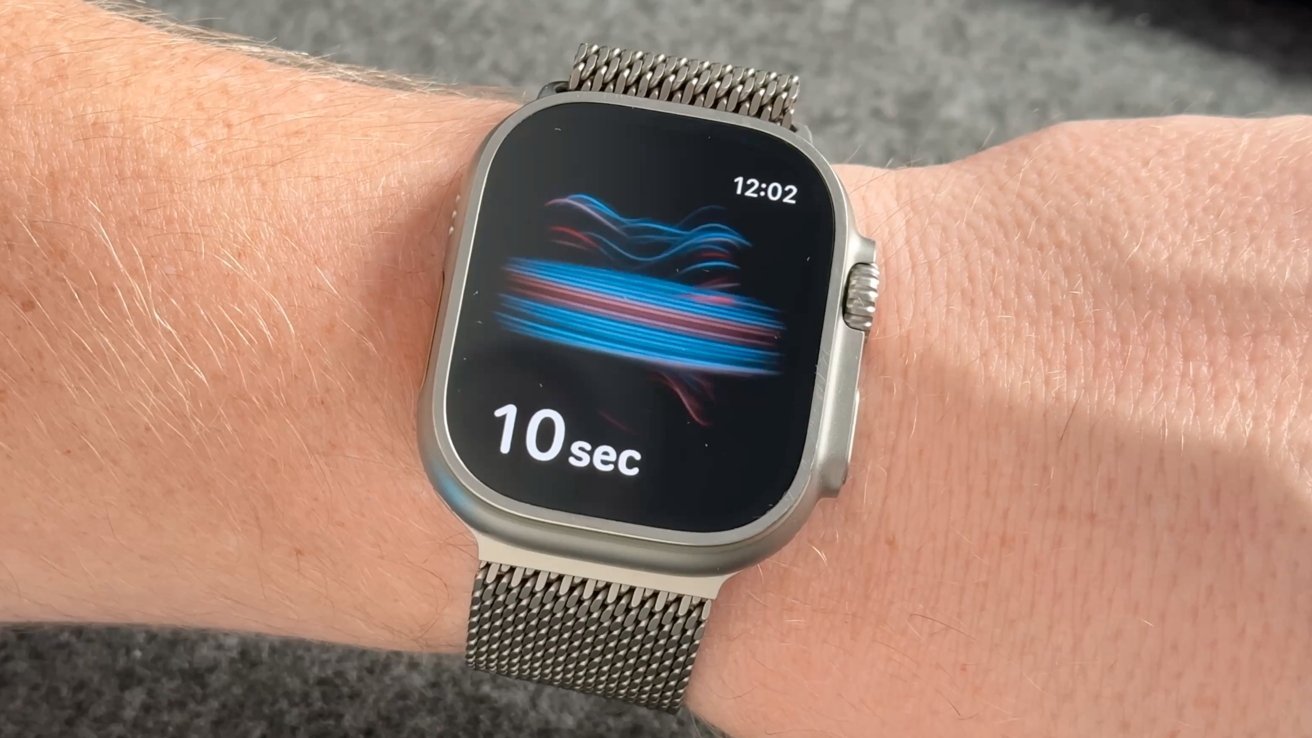
On August 14, Apple surprised Apple Watch users by declaring it was bringing back the Blood Oxygen feature in the United States. While the feature became quickly available as part of the iOS 18.6.1 and watchOS 11.6.1 updates, the addition could still get Apple in trouble.
At the time of the rollout, Apple said it was a change that was "enabled by a recent U.S. Customs ruling," without going into detail. According to Bloomberg Law on August 23, the change was led by an internal advice ruling from the Customs and Border Protection headquarters on August 1.

The internal advice ruling apparently cleared a workaround Apple had created to get around an import ban from the U.S International Trade Commission. That ban was borne from a complaint by device maker Massimo, accusing Apple of infringing on its patents with its blood oxygen feature.
Apple disabled the blood oxygen feature using a software limitation, a block that could be removed if legal challenges were defeated in the future. However, Apple's workaround was also software-based, in that it shifted the processing of the blood oxygen feature to a paired iPhone instead of using the Apple Watch processor.
While a clever workaround, the nature of how Apple was allowed to issue it by the CBP instead of an ITC ruling could lead to it being pulled once again.
A question of border protection boundaries
In a new lawsuit, Massimo said it was unaware of the internal advice ruling until two weeks later, when Apple announced the feature's return.
Massimo questions whether Apple was in the right to roll out the software change based on the word of CBP, instead of awaiting a decision from the ITC. While the ITC issues import bans, the CBP's role is one of enforcing those ITC orders.
The CBP crossed a line by effectively making a ruling in the patent dispute, instead of leaving it to the ITC, Massimo believes. Furthermore, the CBP didn't give Massimo an opportunity to participate in discussions.
Massimo also feels that Apple still infringes the patent due to the doctrine of equivalents. That is, the ruling would cover modifications that are "insubstantially different" from the patent claims at hand.
By August 21, the ITC confirmed it knew about the new lawsuit, and is evaluating the case. It adds that it is "concerned" about the situation in relation to the ITC's authority in patent disputes.
The ITC adds that, the last time something like this happened, the dispute was then "administratively channeled" to the ITC for future proceedings.
In short, the ITC says that while it was not involved in the CBP's decision, the ITC should've been, and it could still step in.
If it does so, it could issue a ruling over Apple's workarounds legitimacy. The change could result in Apple being forced to pull the update, disabling the feature once again, and other penalties against the company.
The affair also brings into question the authority of the ITC and the CBP, and whether the latter really has the ability to override the ITC's ruling in this way.