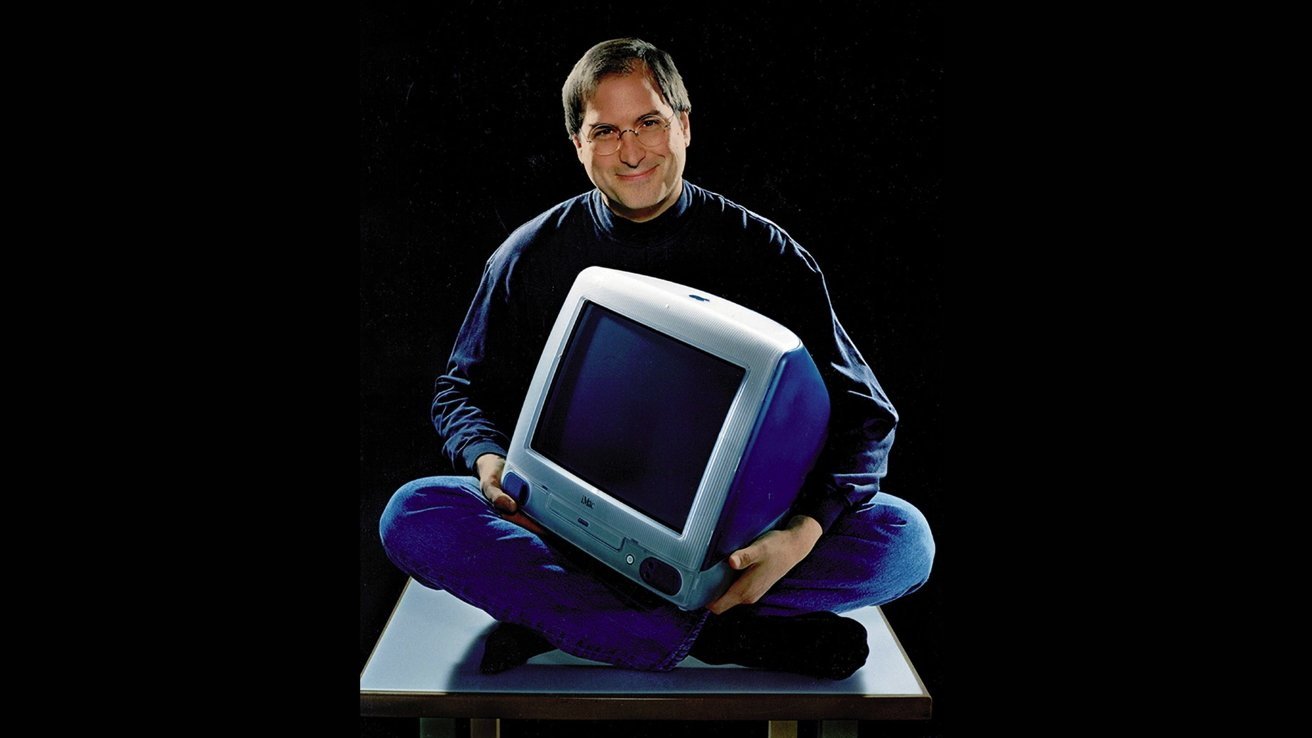
Apple founder Steve Jobs once told Kevin O'Leary to "shut up" during a meeting, and the entire story captures his famously abrasive style and obsession with results.
On the Diary of a CEO podcast, Kevin O'Leary called Jobs "not a nice guy" while recalling a sharp exchange from the early 1990s. At the time, O'Leary's company was Softkey. In that company, O'Leary made educational software for Apple, so he communicated frequently with Jobs.
"Kevin, I don't give a s**t what the students want," Jobs allegedly told groups. "They don't know what they want till I tell them what they want."
O'Leary shot back, saying Jobs sounded "such an a**hole." Jobs then asked if Apple was O'Leary's fastest-growing OEM and profitable partner. When O'Leary confirmed that, Jobs said, "Then f**king shut up and do what I say."
Harsh words, lasting impact
The recounting by O'Leary fits the recollections about Jobs that we've heard about before, portraying him as a visionary who didn't waste time on kindness. O'Leary's memory highlights how little Jobs cared about consensus, as he prioritized results.
One of the comments O'Leary mentioned is a particularly memorable Jobsian quote. Jobs attributes it to American carmaker Henry Ford.
"I think Henry Ford once said, 'If I'd ask customers what they wanted, they would've told me a faster horse,' Jobs recalled. "'People don't know what they want until you show it to them.'"
We do know that Jobs also operated without clocking off. O'Leary recalled getting 2:30 a.m. emails long before smartphones were common. Jobs expected replies, regardless of time.
Jobs coined what he called the "signal-to-noise" rule — focus on the few things that matter and ignore everything else. He defined "signal" as the three to five most urgent tasks in the next 18 hours.
"Noise" referred to everything else, with the goal being an 80% signal and 20% noise split. O'Leary mentioned that Jobs adhered to this rule, as evidenced by his late-night emails.
An unforgettable legacy
None of this should surprise, and obviously, at this point, anybody can say anything. Jobs died in 2011, so no one can dispute these fresh recollections, but a grain of doubt is wise.
Some ex-Apple employees describe a culture of fear under Jobs, characterized by public scoldings, stress, and tension. Others believe that this pressure led to significant breakthroughs.
The educational software created by O'Leary's team might not be featured in Apple's highlights. However, the mindset behind it played a significant role in shaping Apple's greatest successes.
Jobs believed people didn't know what they wanted until he told them. O'Leary may have hated it, but the results let Jobs have the final word.