In a court filing supporting Epic, the American Antitrust Institute says that Apple's antisteering changes to the US App Store fell far short of fixing the problem, and Apple's appeal arguments would tank almost every antitrust remedy and precedent.
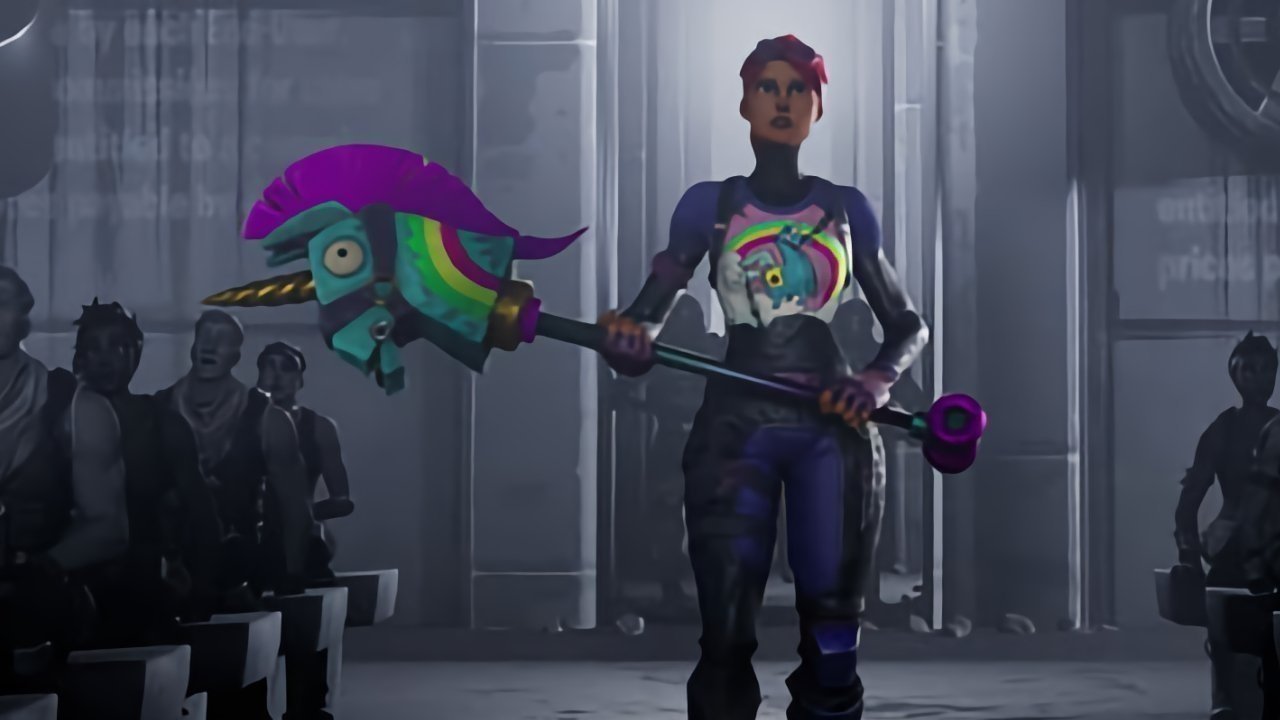
The amicus brief relates to the ongoing legal spat between Apple and Epic relating to App Store payment policies. Those policies saw Fortnite kicked out of the store in 2020.
The saga saw Apple found guilty of using "anti-steering" policies to block app developers from offering third-party payment methods. Judge Yvonne Gonzalez Rogers ruled that Apple's stance was in violation of California's Unfair Competition Law (UCL).
In April 2025, an evidentiary hearing was held in which Apple's decision to charge a 27% commission on non-App Store transactions was discussed. Ultimately, Apple's stance was found to be in defiance of the court's ruling.
The court upheld its injunction and modified it to prohibit Apple from interfering with the way developers communicate pricing with their customers. Apple was also prevented from charging a commission on sales made outside of the App Store.
Unsurprisingly, Apple appealed. Which brings us to the American Antitrust Institute's (AAI) amicus brief.
The AAI outlined multiple reasons why it believes that Apple's appeal should fail. Key is the argument that Apple's "replacement practices achieved the same anticompetitive ends as its original practices, using the same economic mechanism."
Essentially, the amicus brief argues that Apple tried to work around the court's decision while maintaining the status quo. The brief also addresses Apple's belief that it should be able to recoup its App Store development and maintenance expenses via a commission.
The AAI believes that Apple's justifications "must be specific to that conduct," adding that "ruinous competition" is not a sufficient defense.
Ultimately, whether Apple will be successful in its appeal is down to the court. But given the fact judge was aided by a previous AAI amicus brief when the original decision was made, it doesn't look likely at this point.
As for Fortnite, the game that arguably started all of this off, you can play it right now. The game returned to the App Store in May 2025.