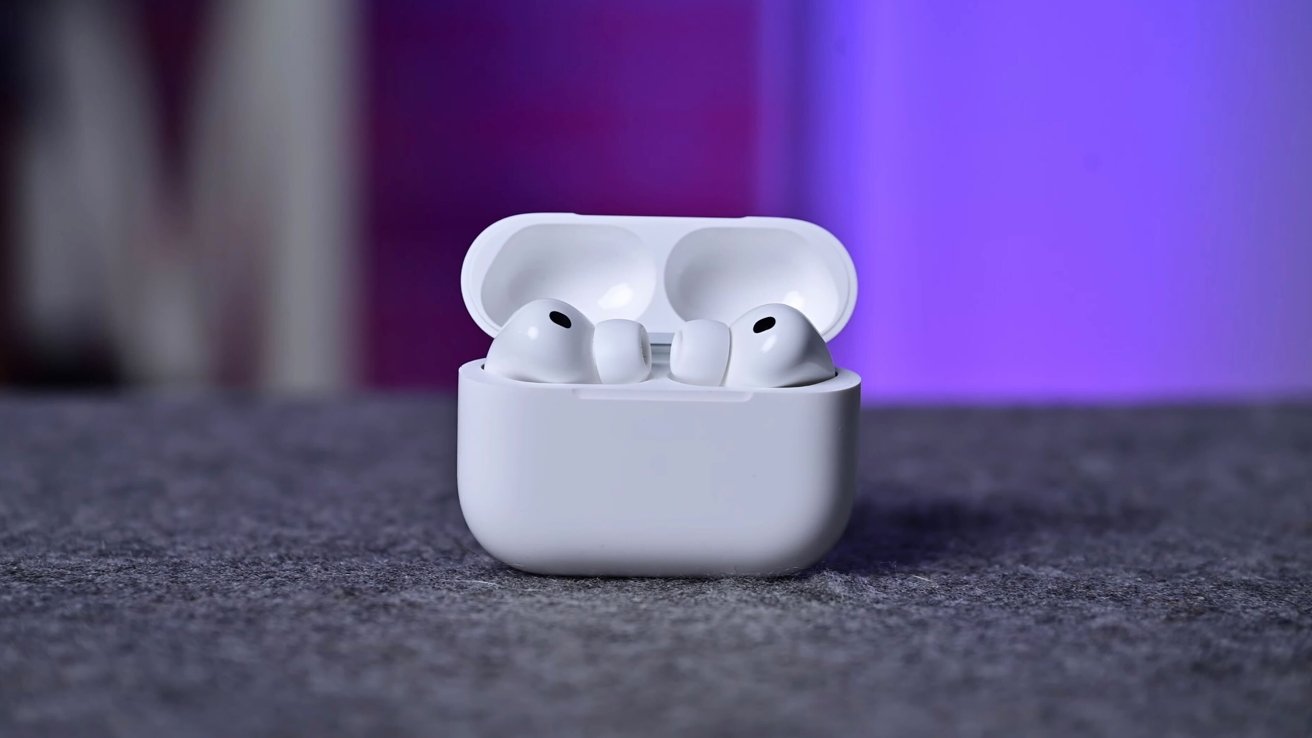
During WWDC, Apple gave some creators the chance to see how Apple has turned its audio labs into engineer playgrounds where they try to chase the illusion of perfect sound.
The company likes to make AirPods look effortless — they connect fast, sound clear, and disappear into your daily routine. That illusion comes from years of work in labs most people will never see.
Inside Cupertino buildings, Apple has set up a maze of test rooms and studios designed to make earbuds sound like professional gear. In September 2025, reporters from Engadget were given a rare tour.
Apple engineers showed off hearing booths, tuning studios, a room so quiet it feels alien, and a sphere of speakers called the Fantasia Lab. The tour made it clear that Apple takes sound more seriously than its marketing gloss suggests.
Apple's hearing booths
AirPods Pro 3 aren't just tuned for music. Apple also built a hearing test feature it calls "clinical grade." To back that up, the company replicated audiology clinics inside its labs.
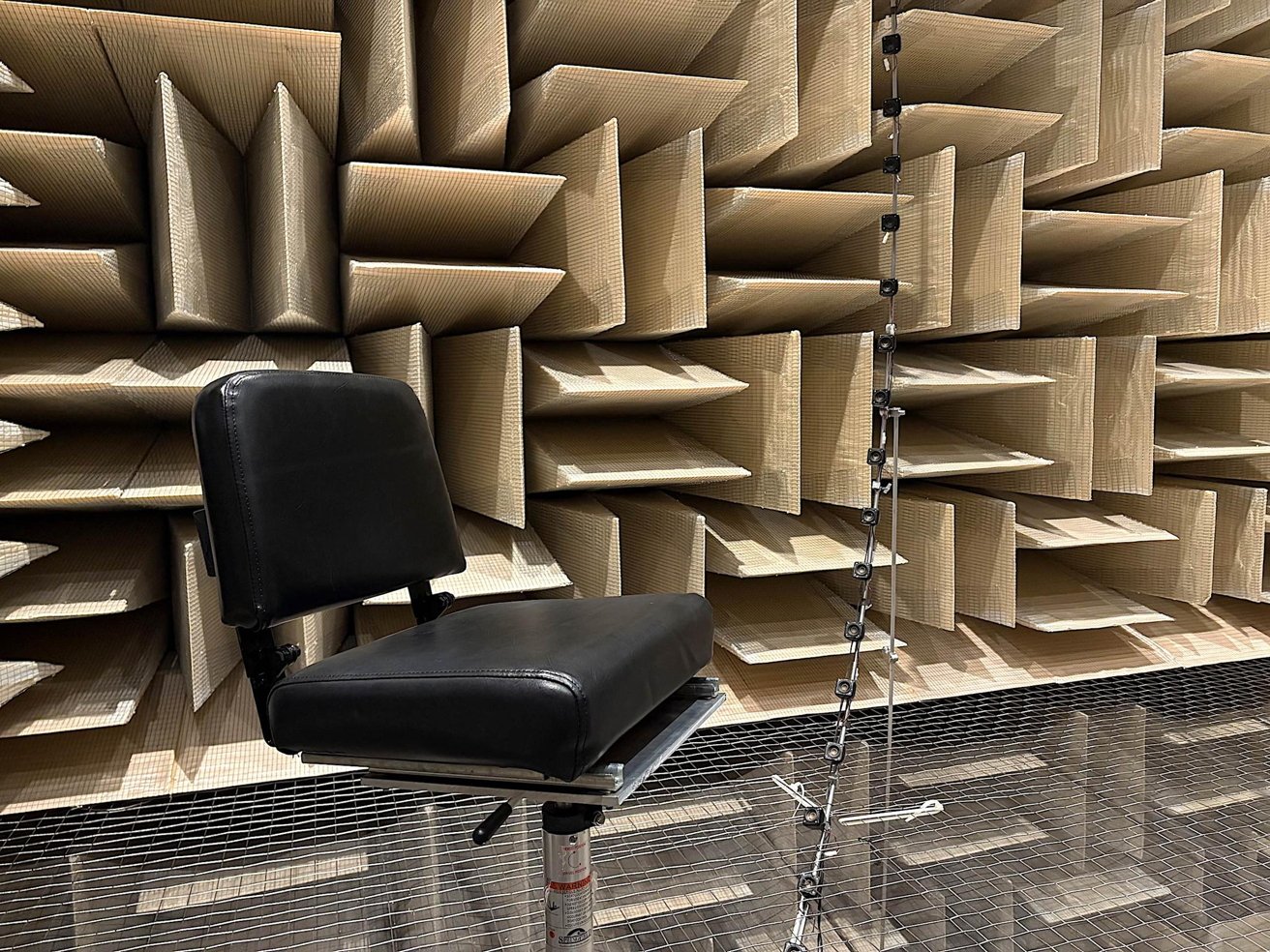
One of Apple's silent rooms. Image credit: Billy Steele for Engadget
Small, soundproof rooms are fitted with audiometers, the same machines you'd find at a doctor's office. Thousands of tests ran inside those booths. Apple wanted to make sure its screening tool was as accurate as professional equipment.
The feature lets users catch hearing issues without visiting a clinic. It also builds a personal sound profile, so the earbuds can tailor playback to your ears.
Hearing aids and tests are normally regulated and expensive. Apple says its method is reliable enough, though some audiologists remain cautious. If nothing else, it shows how far the company is willing to go to tie health features to its hardware.
The tuning studios
Another part of the lab looks less like a clinic and more like a recording studio. Apple's media tuning rooms are filled with instruments, vinyl records, and gear named after famous studios like Abbey Road.
The goal is to recreate what songs, movies, or podcasts sounded like when they were first produced. The engineers come from varied backgrounds, including Broadway sound design and live concert mixing.
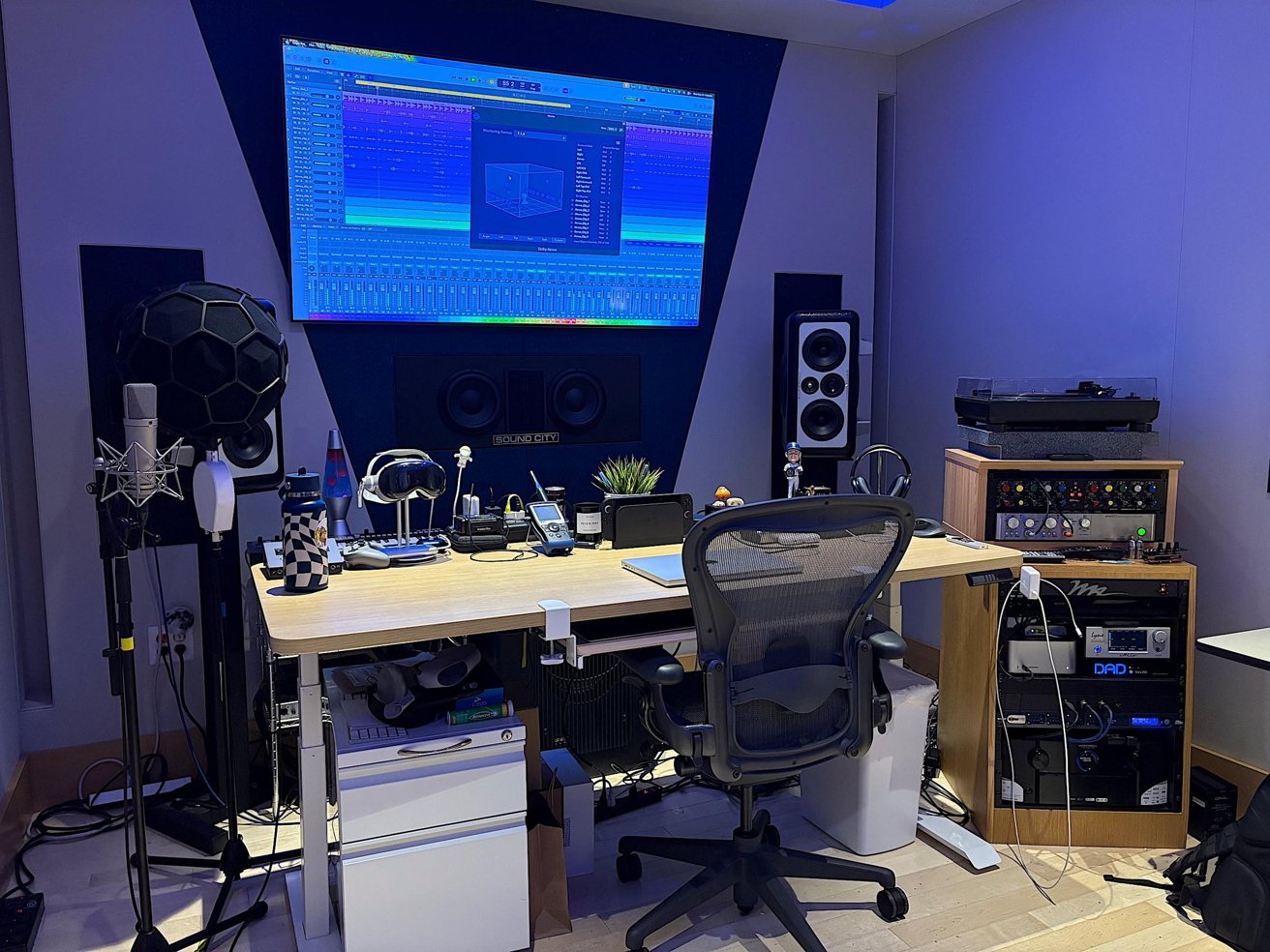
The media tuning lab. Image credit: Billy Steele for Engadget
They listen to hours of content in formats like mono, stereo, and Dolby Atmos, then adjust AirPods until playback feels consistent. Hardware gets swapped in and out, with countless tuning variations tested.
The silent chamber
The idea is simple — no matter your ear shape or tip size, your AirPods should sound the same as everyone else's. That consistency is key to Apple's reputation for quality.
Few rooms are stranger than the anechoic chamber. Foam wedges cover every surface, even under the suspended grid floor. No echoes, no reverb, only silence.
Apple uses it to check for unwanted sounds. Engineers listen for faint hums or vibrations that shouldn't be there.
They also study how sound bounces around the body and ear canal. Those tests helped create Personalized Spatial Audio, which uses iPhone scans of your head and ears to adjust playback .
It's unsettling to stand inside, but the silence is critical for designing features that rely on subtle sound cues. Apple wants AirPods to fool your brain into believing audio comes from a space outside the earbuds.
The Fantasia Lab
The tour ended in Apple's most theatrical space — the Fantasia Lab. Named after the first surround-sound film, it's a sphere of dozens of speakers. Engineers use it to test noise cancellation, transparency mode, and spatial audio.
For transparency mode, subjects sit inside while sounds play from different directions. Engineers check whether the earbuds reproduce outside noise naturally.
For active noise cancellation, they pump in traffic, chatter, and other sounds to see if the algorithms block them cleanly. Spatial audio gets tested by playing sounds from physical speakers, then comparing them to what AirPods simulate.
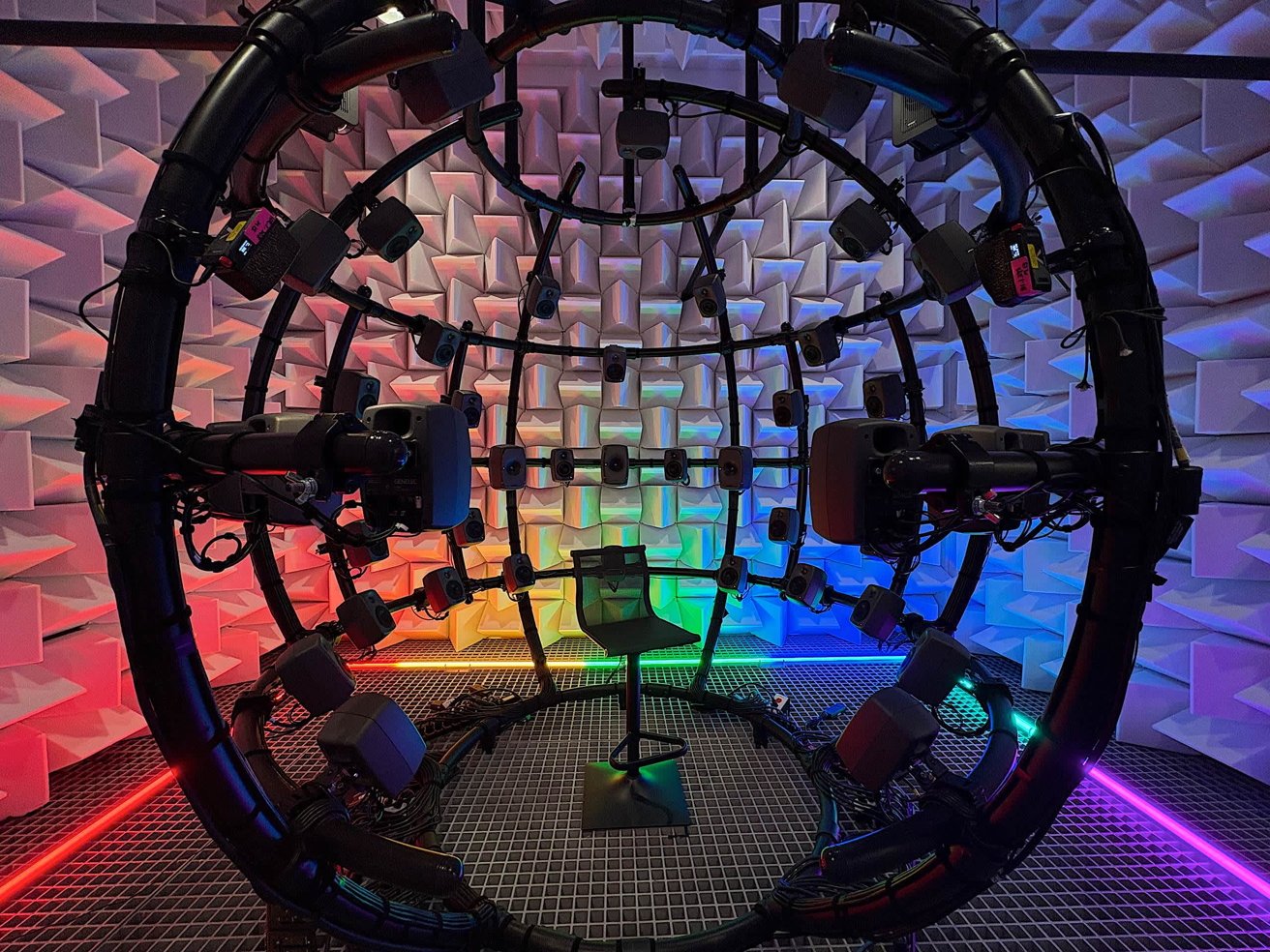
Apple's Fantasia Lab. Image credit: Billy Steele for Engadget
A reporter described closing their eyes as music and crowd noise surrounded them. It felt like a live Omar Apollo concert, until they opened their eyes and remembered they were in a Cupertino lab. That tension between illusion and reality is the entire point.
Why it matters
Apple sells tens of millions of AirPods each year. Market analysts at Counterpoint Research have pegged its share of the global wireless earbud market at over 30%.
That lead depends not just on convenience but on a sense that AirPods deliver better sound than rivals. Massive labs with eerie silence rooms and vintage stereos are part of Apple's strategy to maintain that edge.
The company doesn't invent entirely new categories anymore. Instead, it refines existing ones until consumers accept its version as the default.
If Apple claims AirPods offer studio-quality recording or clinical hearing tests, users and regulators will demand proof. The Cupertino audio labs reveal how Apple obsesses over details most people never think about.
From hearing booths to silent chambers, every corner is designed to make AirPods feel magical. Whether the magic always matches the hype is debatable, but the scale of Apple's investment is clear.
Sound isn't just a feature for the company. It's part of its identity, a way to turn a small pair of earbuds into a cultural standard.