Apple is set to announce a raft of new platform updates at WWDC on June 8, but there's only one thing I want, and it's got nothing to do with the Apple Intelligence or Siri upgrades that have been rumored for months.
Amid ongoing work to make Siri more personal and conversational, I'm left feeling less interested than ever before. Apple has had its chance to make Siri part of my life, and it's failed spectacularly.
Apple Intelligence is a marketing term for a variety of AI-powered features. But none of them have proven to be everyday must-haves. OK, maybe with the exception of the Clean Up feature in Photos.
With all of that in mind, seeing leaks that promise more of the same isn't enough to whet the appetite. Instead, I want something else entirely.
What I really want from WWDC 2026 is a proof of life. I want to see that the Apple Home and HomeKit people are still safe, and beavering away.
In short, I want the Home app and HomeKit in general to be what it was promised to be. A fast, reliable, secure smart home system.
So. How about it, Apple?
A Home app to believe in
The Home app is at the core of all homes running on HomeKit. It's available on the iPhone, iPad, Mac, Apple Vision Pro, and even the Apple Watch. It's the cornerstone of the HomeKit ecosystem.
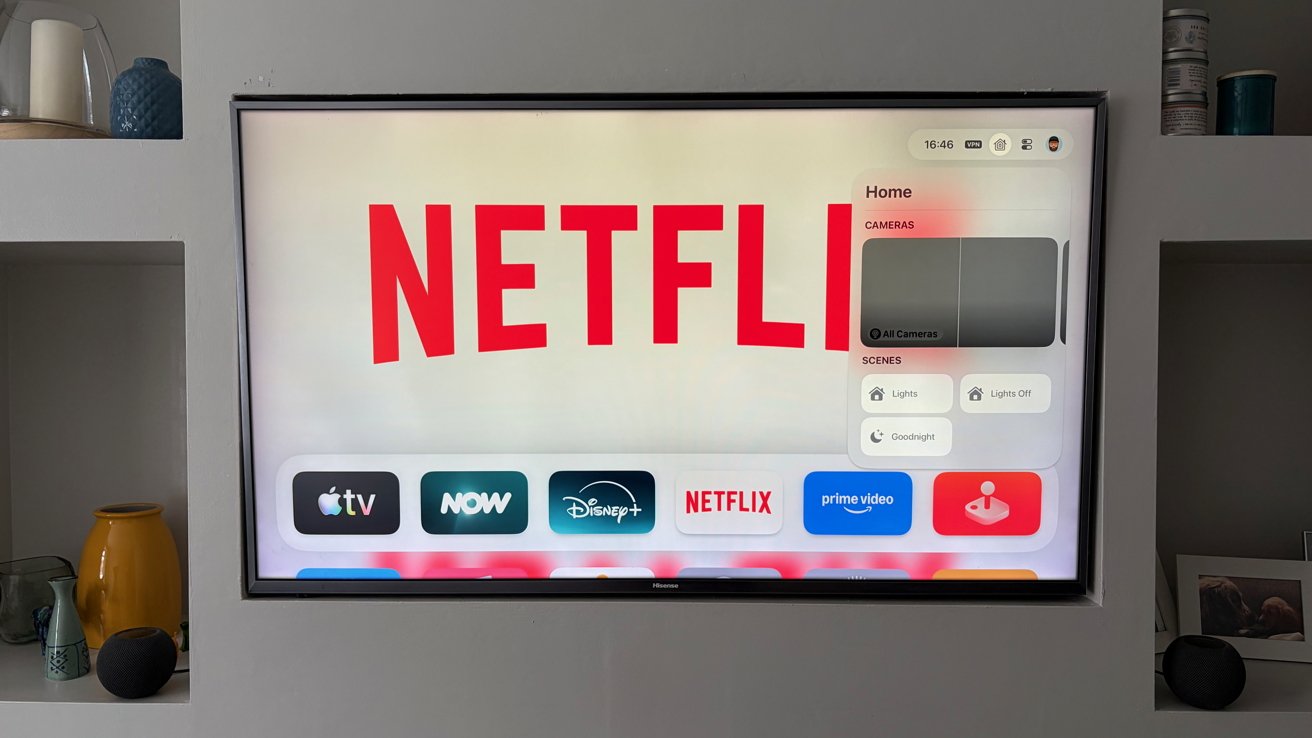
The Apple TV 4K's HomeKit support is lacking
That's a real shame when you remember how terrible it is to use. And it only gets worse the more smart home accessories that you add to the mix.
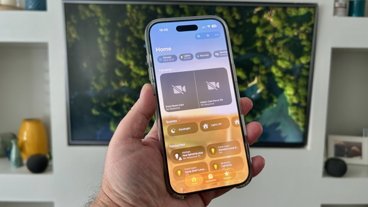
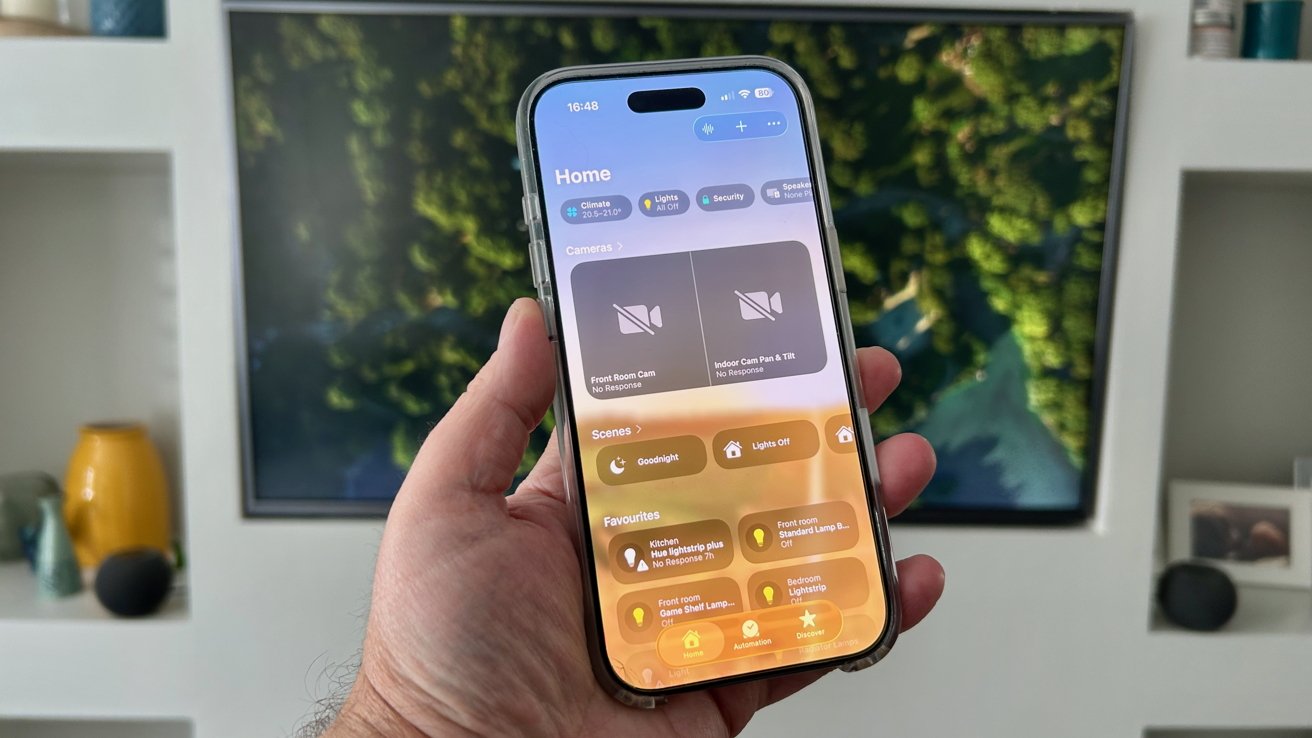
My Apple Home (Home? HomeKit Home?) is a relatively modest one, but the Home app still contrives to trip over itself far too often. I open the app on my iPhone, and then it's a lottery as to whether anything works.
Light bulbs time out, showing the familiar "No Response" error. Trying to use the Home app to interact with any of our HomePods, HomePod minis, or Apple TV 4K is an exercise in frustration.
Sometimes the Apple TV 4K remote on my iPhone works. Other times, it gaslights me into thinking I imagined the whole Apple TV 4K in the first place. Sure, that's more Continuity than HomeKit, but it's indicative of a flaky ecosystem.
It's just so infuriating to use. It's so unpredictable, which is arguably worse than it never working at all.
At this point, I think it's important to point out that I'm not complaining about Siri here. Siri is bad, to be sure, but I rarely use it to interact with our smart home.
What I'm complaining about is the Home app, in all its various guises. On my iPhone Air, on my MacBook Pro, everywhere. I have zero confidence in it doing what it's there to do.
But I'm left wondering whether my ire is ill-placed. Sure, the Home app is dull as dishwater, and the way features are hidden is crazy-making. But is it the root cause, or just another symptom?
Getting under the HomeKit hood
HomeKit debuted in 2014 and, as of a decade later, Wikipedia tells me that there were 1,000 devices compatible with it. That's compared to 10,000 for Google's smart home ecosystem and a massive 80,000 for Amazon's.
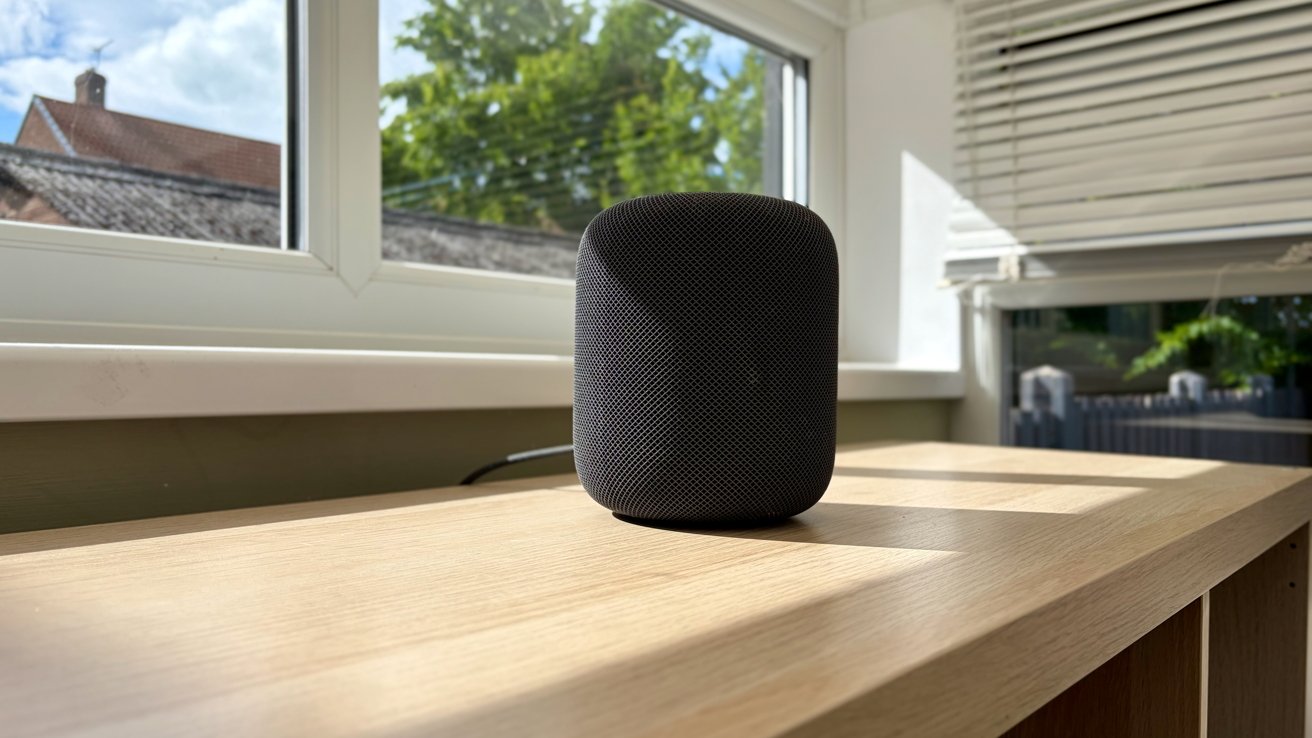
Our OG HomePod may be getting a little long in the tooth
There are a few reasons for the disparity. HomeKit required that accessory manufacturers include an encryption co-processor, which certainly didn't help.
As I write this mid-way through 2026, matters (pun preemptively intended) have improved somewhat. Apple Home, as it's now known, supports Matter and Thread, two technologies that help break down walls between competing smart home systems.
Matter and Thread mean that accessories previously limited to Amazon's Alexa system now work with Apple Home. Software updates immediately brought Home support to a ton of accessories.
But deep down, Apple Home still uses the HomeKit Accessory Protocol (HAP). It's this protocol that links your smart bulbs to the Home app, for example. Press a button, and a HAP message is dispatched to act on your behalf.
Actually, that's not strictly accurate. Because HAP messages are constantly flying around between Apple devices and the smart home accessories they control. If the state of an accessory is altered (like a light switch is turned off,) so are the messages going back and forth.
That's a lot of traffic. And all it takes is for a message or two to go missing for things to fall apart. It's these missing messages that cause the "No Response" error we're familiar with.
Unfortunately, it's all too easy for those messages to go AWOL. Even with a modern home network, the Home app and the underlying HomeKit technology, can be unreliable.
Apple had the potential to ease the pain when, in 2016, it allowed Apple TV boxes and HomePods to act as hubs. These hubs would function as HomeKit's brains, enabling out-of-home as well as new automation features.
In reality, that hasn't always been the case.
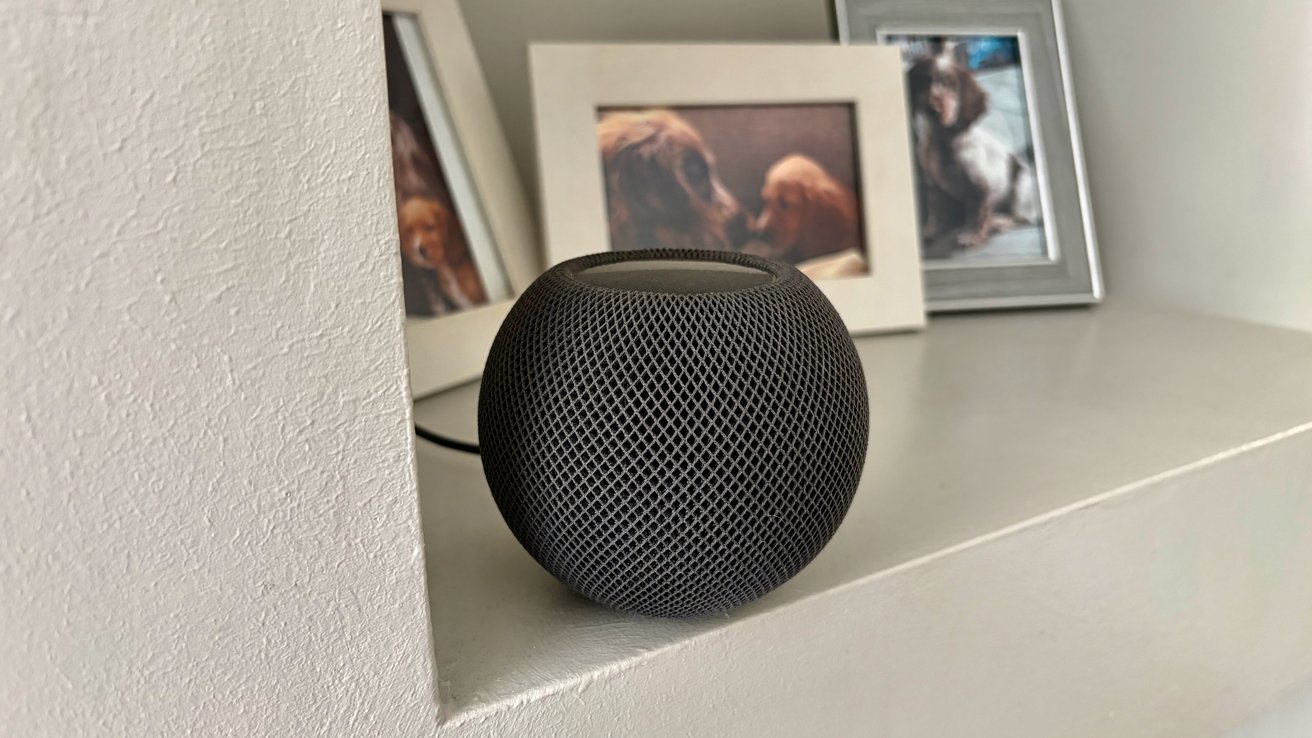
We've more HomePods than most in this house
Our home has an OG HomePod, two HomePod minis paired for stereo sound, and an Apple TV 4K. Left to its own devices, the Home app chooses any one of those as the hub. And it seemingly does it at random to boot.
The good news here is that you can force the Home app to use a specific device as a hub. I chose the Apple TV 4K because it's the only option that's wired into the network. I thought it would make everything more stable.
As this screed perhaps hints, it hasn't worked.
I'm on my knees, here, Apple
So I'm here, pre-WWDC 2026, begging for some sort of HomeKit/Apple Home overhaul. It's time to rip out all of the legacy technologies and go all-in on Matter and Thread. I'll even buy a dedicated hub if you tell me it'll make things work the first time, every time.
Smart homes have come a long way. But they still have the same problem they've always had. It's likely a problem you've encountered, too.
Setting up a smart home with cool automations is all well and good. But the first time a family member tries to turn a light on, and it doesn't work, it's game over.
In our Apple home, I'd be more surprised if it did work.