
Apple's secretive labs use sci-fi-like chambers to make sure your Apple Watch can stay connected anywhere on Earth — and even in space.
At a dedicated facility near Apple's headquarters, the company rigorously tests its flagship wearable. Inside custom-built chambers teeming with specialized equipment, every aspect of the Apple Watch's connectivity is analyzed and refined.
CNET's Vanessa Hand Orellana recently visited the site to learn the rigorous methods Apple employs during these tests. What she found was a trio of rooms dedicated to ensuring the Apple Watch works in nearly any scenario.
A quiet chamber with loud results
The first room is Apple's radio anechoic chamber, a small, bathroom-sized vault lined with blue foam spikes. No radio signals can penetrate its walls, making it an excellent place to test transmission.
Designers mount the Apple Watch on a mock arm at the center of the vault. A antenna ring encircling the room measures how it sends signals across various cellular and WiFi bands.
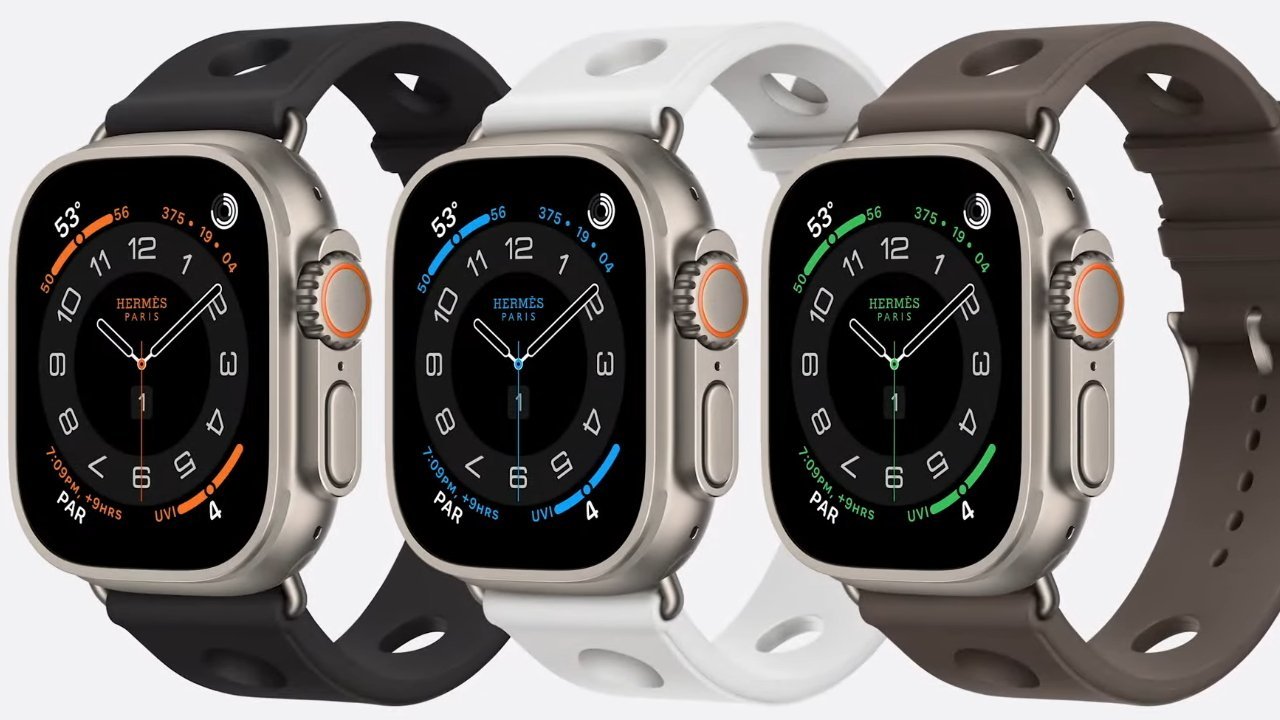
The new Apple Watch Ultra 3 | Image credit: Apple
This test was crucial for both the Apple Watch Series 11 and Apple Watch Ultra 3. A new antenna algorithm combines the two antennas to keep connectivity strong when signals are anything but.
Human interference
The second room, somewhat larger but still lined with spikes, is used to test how the human body impacts connectivity. To do this, an actual, human tester will need to sit on a rotating chair in the middle of the room.
As the chair rotates, engineers map what effects the human body has on the signal. Human bodies, as it turns out, are surprisingly good at absorbing transmissions.
As CNET notes, this is critical for the new Apple Watch Ultra 3. That model features a new directional antenna that connects to satellites "orbiting 800 miles above Earth at 15,000mph."
Simulating Denali, from Cupertino
The third chamber is notably larger, still spiky, and located underground. This is the Global Navigation Satellite System (GNSS) simulation room.
Engineers use antennas to trick the Apple Watch into thinking it's somewhere it isn't. During CNET's visit, Apple showed how it could make the Apple Watch think it was in Alaska's Denali National Park.
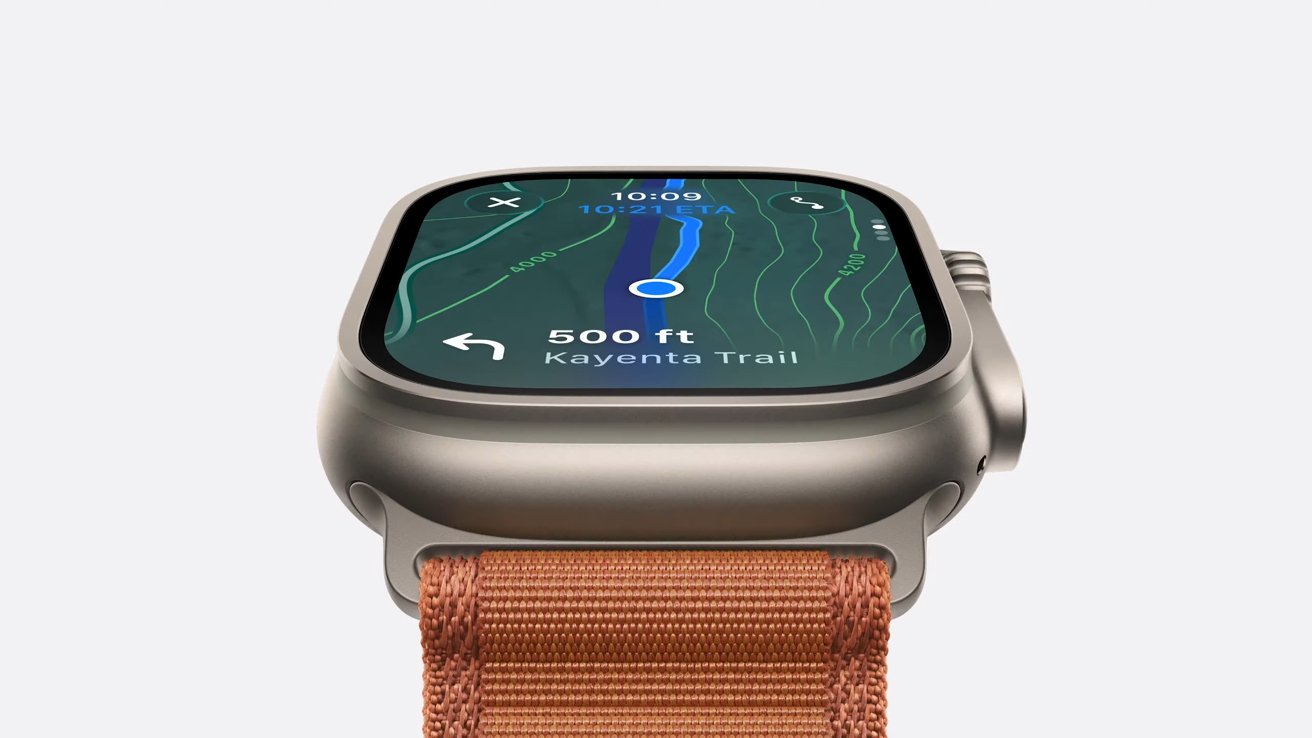
Accurate location detection is critical for a host of Apple Watch features | Image credit: Apple
In doing so, engineers can test for location accuracy. When you consider that the Apple Watch uses the satellite feature for many of its emergency features, it's easy to see why this is another critical testing point.
The endless cycle of build, break, repeat
Testing is rigorous and requires engineers to employ cyclical testing methods. First creating something, then figuring out how to break it, only to reiterate and start all over.
The testing, unsurprisingly, takes quite some time — up to a year. Apple does testing at every stage, from prototypes to production-ready models.
Every single bit of your Apple Watch has been scrutinized by designers, picked apart, and put back together. That meticulous testing is part of the reason the Apple Watch remains the most popular smartwatch in the United States and is beloved worldwide.