A memory shortage that isn't expected to ease before the end of 2027 will drive global PC shipments down 11.3% in 2026, even as Apple's MacBook Neo puts new pressure on PC rivals.
Market research firm IDC expects conditions to worsen through the year, with PC shipments projected to fall 20% year over year in the fourth quarter. Rising memory costs are limiting product availability and making it harder for manufacturers to maintain broad product lineups.
PC shipments still grew 3% during the first quarter of 2026, but that came from buyers accelerating purchases ahead of expected price increases and shortages. Much of that demand was pulled forward from later in the year, masking a market facing tighter supplies and a weaker outlook.
MacBook Neo dodges a weakening market
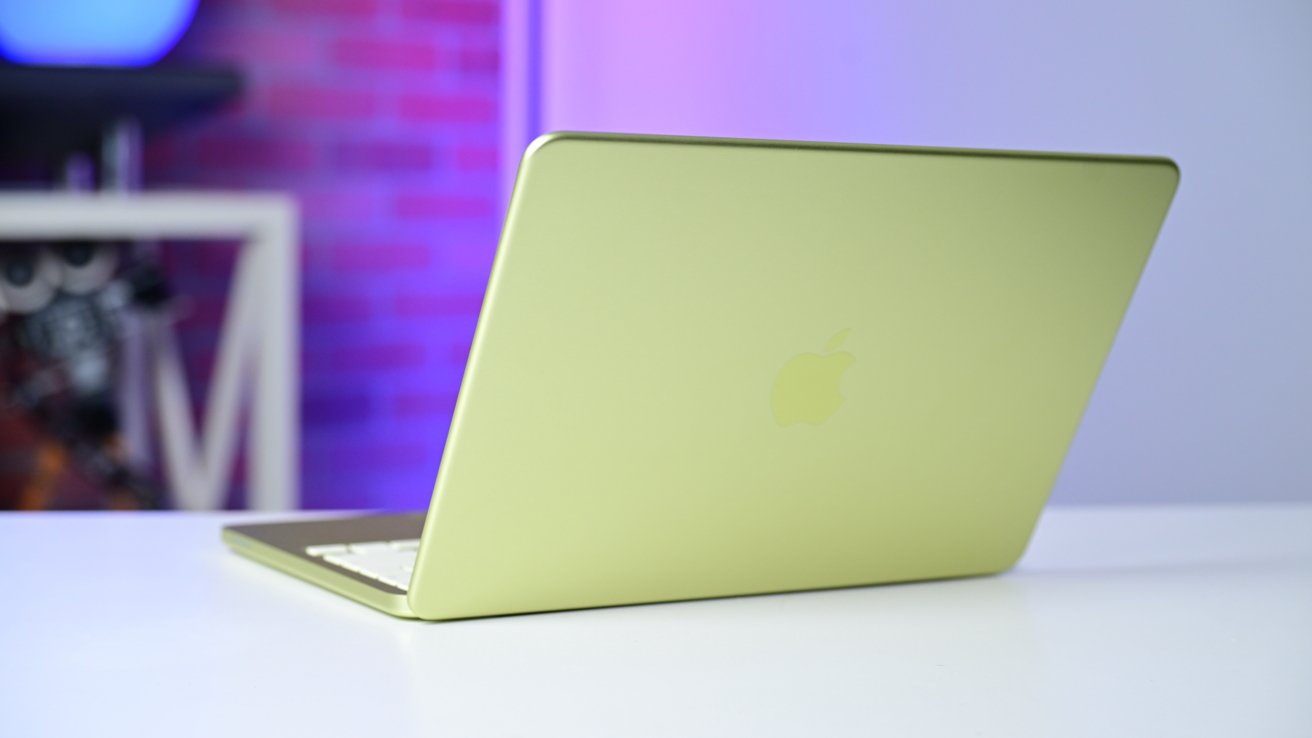
Apple's MacBook Neo is helping defy a bigger slowdown in the PC market. Stronger-than-expected demand for the lower-cost notebook led IDC to raise its notebook forecast.
The device is also increasing competitive pressure across the industry. Research manager Jitesh Ubrani said PC makers are likely to respond with new chips, operating system improvements, and more aggressive promotions.
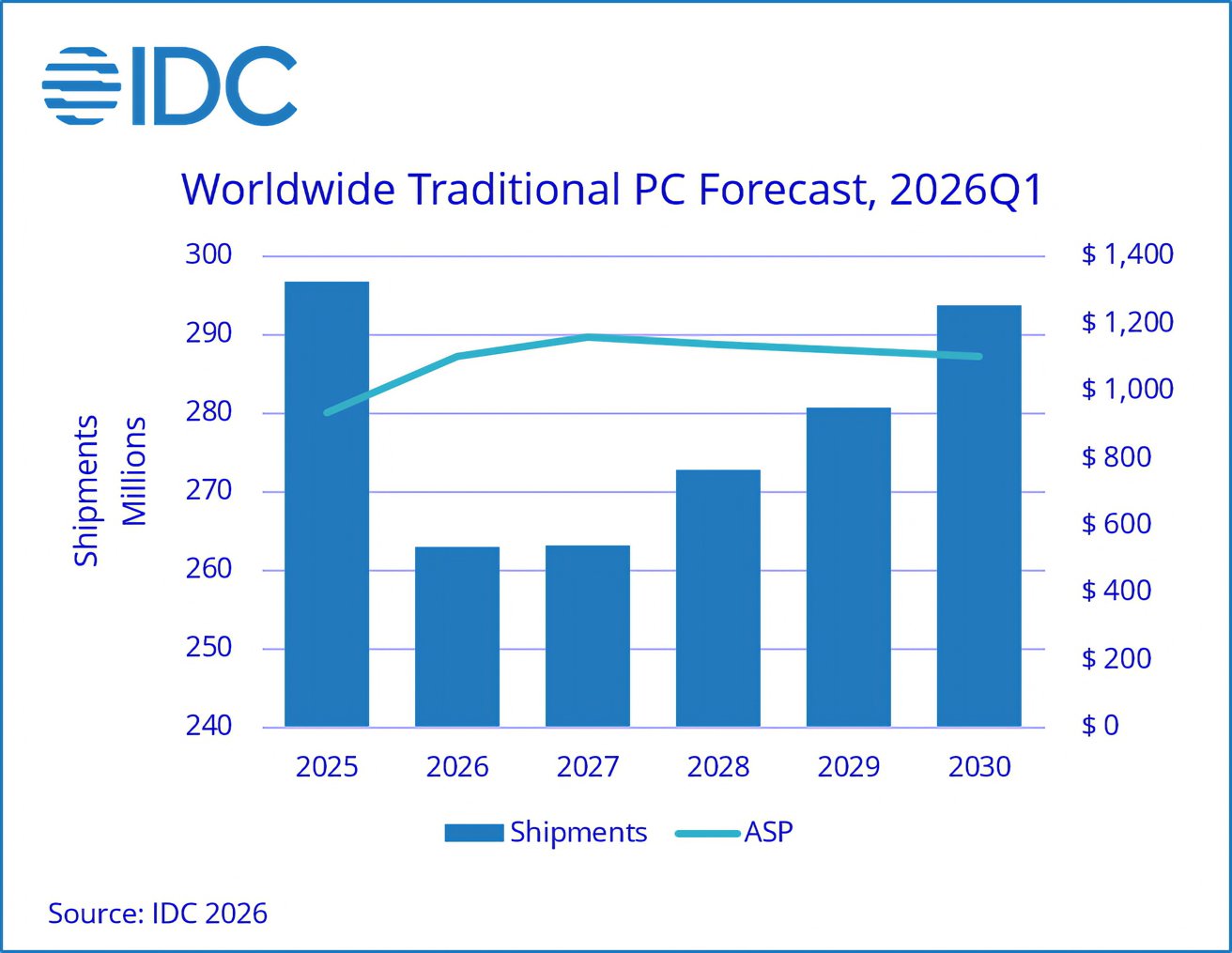 Strong demand for the MacBook Neo is helping support notebook sales. Image credit: IDC
Strong demand for the MacBook Neo is helping support notebook sales as higher costs and supply constraints weigh on the broader market. IDC also said the notebook is helping keep some lower-cost options available, easing part of the price pressure affecting the industry.
Higher PC prices are likely to persist
IDC expects average PC selling prices to climb 17% in 2026 as memory shortages continue to push costs higher. The firm also expects prices to remain above 2025 levels even after memory production expands over the next two years.
Buyers considering new hardware may face fewer opportunities to avoid those increases. PC makers are dealing with tighter component supplies, rising costs, and weaker demand across much of the market.
Those pressures are colliding with broader economic challenges and increased competition across the PC industry. Apple's MacBook Neo is generating enough demand to influence notebook forecasts and increase competitive pressure throughout the market.