
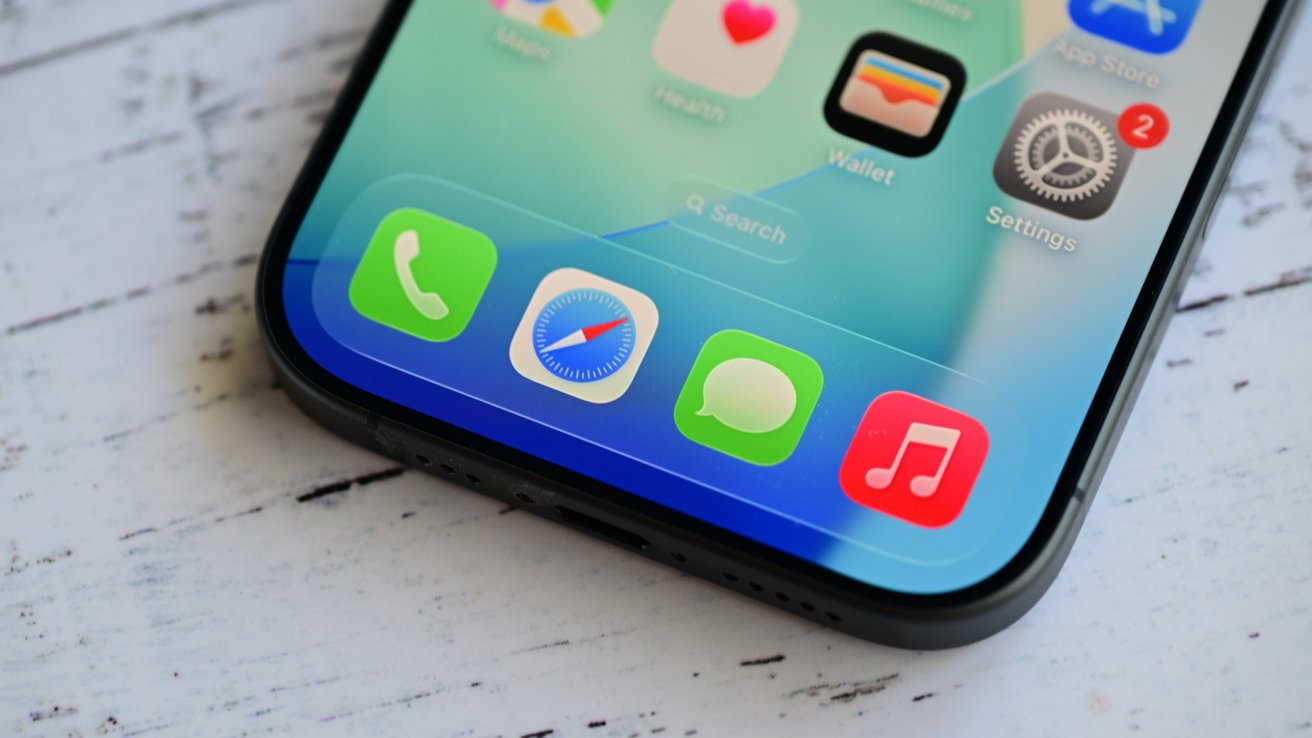
China's subsidy program is fueling iPhone 17 demand, giving Apple more momentum at the low end than it historically sees in September.
In September 2025, Apple reportedly told suppliers to raise output of the $799 iPhone 17 by up to 40% after pre-orders exceeded forecasts. That's significant because Apple's first two months of iPhone sales are usually driven by iPhone 17 Pro models.
The core iPhone 17 typically doesn't become the sales engine until after January.
The iPhone 17 Pro saw long backorders within 20 minutes of pre-orders opening, so it's clear that the normal pattern of high Pro phone sales early is continuing.
Apple's stalled growth adds pressure
From 2022 to 2024, Apple's revenue slipped, detailed in a report from The Information. It was weighed down by flat iPhone sales and weak AI momentum. That slump hurt its stock while rivals like Microsoft and Nvidia climbed 20% to 30%.
Apple launched the iPhone 17 lineup on September 19, 2025, hoping to restart growth. The standard iPhone 17 stayed at $799 with upgrades to its chip, display, storage, and camera.
The company also raised the iPhone 17 Pro price by $100 after removing the 128GB option. Dropping the titanium finish further narrowed the gap.
China, Apple's biggest overseas market, has reshaped sales. The iPhone Air hasn't launched there because regulators still require physical SIM slots, forcing buyers toward the iPhone 17.
A government subsidy covers 15% of electronics under $823 (6,000 yuan). Apple priced the iPhone 17 at $822 (5,999 yuan), making it eligible and more attractive.
Supplier stress & weekly forecasts
The surge highlights Apple's reliance on rapid supply chain shifts. It updates forecasts weekly and often asks partners to adjust quickly.
Luxshare and smaller suppliers were tapped to raise output, but demand may not hold. Apple has reversed orders before, leaving partners carrying the cost of extra capacity.
The success of the iPhone 17 may reflect a wider trend. Buyers keep phones longer and are wary of paying more than $1,000.
The iPhone 17 now carries features once reserved for iPhone 17 Pro tiers, from faster chips to better cameras. For many, the tradeoffs are minor, and the savings outweigh the extras.
Apple's upselling strategy faces limits. It can rely on iPhone 17 Pro buyers to maintain higher averages or accept that most prefer midrange value.