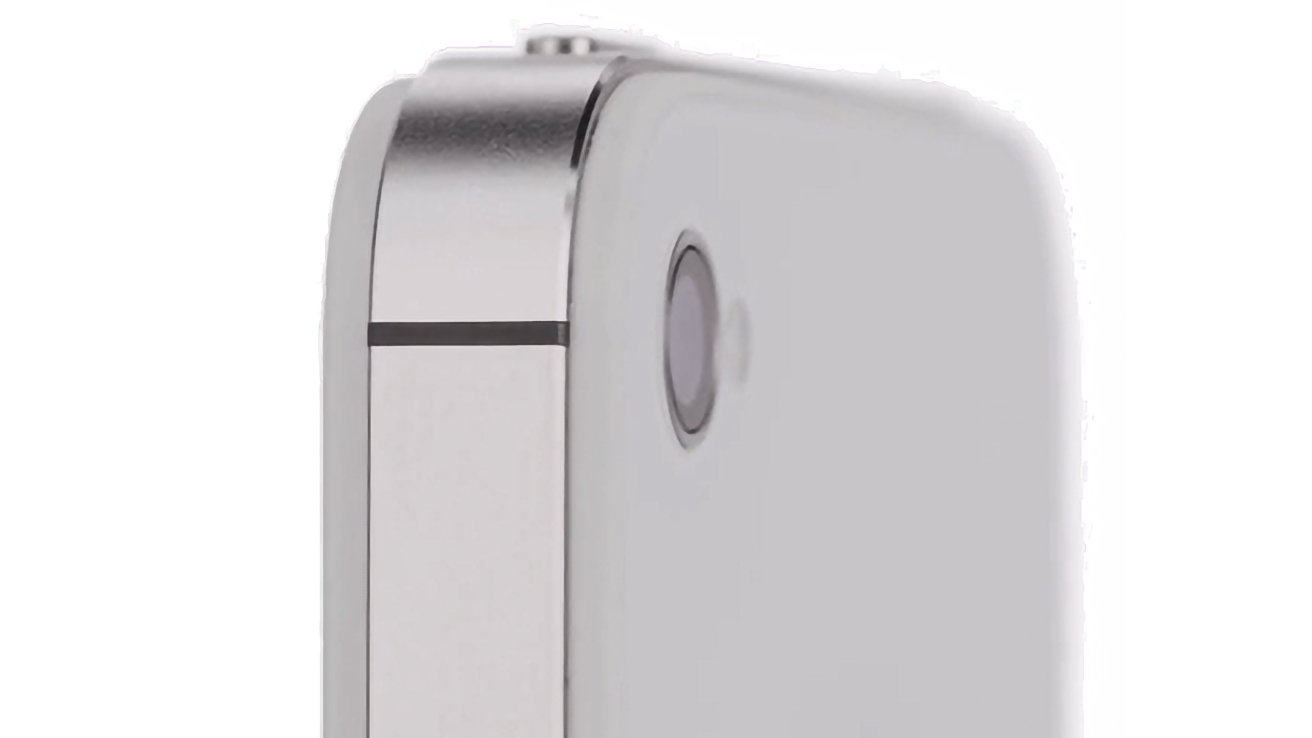
You weren't holding it wrong. Fifteen years after iPhone 4's ridiculously named "Antennagate," a coder has uncovered the mistake in 20 bytes of code that made the controversy as huge as it was.
Previously on Antennagate... In 2010, users of the iPhone 4 found that signal strength drastically dropped depending on how they held the phone. If you think "scratchgate" proves Apple is not the firm it was under Steve Jobs, note that Jobs told users to hold it right.
Now, 15 years later, coder Sam Henri Gold has demonstrated which of Apple's next reactions actually fixed the problem. It wasn't the free bumper case Apple gave away, and it wasn't the rambling lawsuits that ended with the company having to pay $15 to eligible buyers.
Instead, when Apple later claimed that it was all a software issue, they weren't kidding. Apple routinely claims that a software update will fix a hardware problem, but now we know the details.
The very brief details
This isn't up there with how NASA lost a Mars probe because it mixed up metric and imperial units, but it's close. Apple admitted that "we were stunned" by an error in its code governing the display of signal strength bars.
Now coder Gold says he has found the error, and the fix, by comparing code from the original iOS version of the time, and its immediate update.
hey wanna see something kinda interesting? this was the entire fix to the iPhone Antennagate in 2010. 20 bytes. pic.twitter.com/XSSBmg2rCr
— sam henri gold (@samhenrigold) October 7, 2025
"[Nobody] really looked into what the formula between 4.0 and the patch in 4.0.1," Gold continued. "I was a stupid eight-year-old at the time, but now I'm a stupid adult with access to a disassembler."
Examining two versions of iOS, he found the segment where the system checks the current cellular signal strength. He then saw how iPhones — then as now — turn that strength into a graphic showing between one and five bars.
"The actual calculation is dead simple," he says. "When converting signal strength to bars, CommCenter loads each threshold from memory and compares until it finds the right range. This code is not the problem."
The problem is the lookup table. It was too prone to saying there were five bars, it was too generous in what strengths it considered neared the maximum.
Gold describes this as the lookup table being "really optimistic."
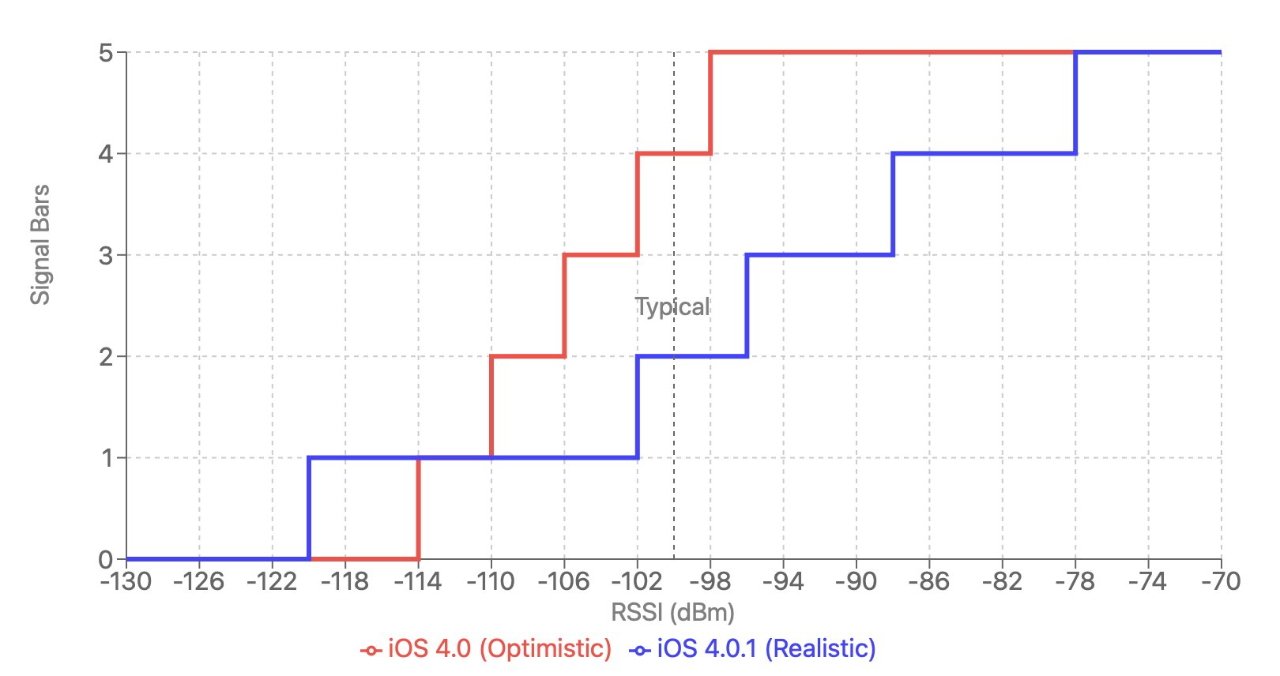
How the iPhone 4 calculated signal strength (left) vs how it should have done — image credit: Sam Henri Gold
But if the signal strength was less than the table's generous definition of five bars, it would slip down to fewer ones. It didn't take much to drop it from five bars down to two, and gripping the phone was enough to do that.
What Apple did next was alter which signal strength values corresponded to which bars. That ultimately is what resolved the complaints — people were no longer seeing dramatic drops.
How this cost Apple $175 million
There was talk of Apple issuing a recall — though it never did — and trivial lawsuits that rumbled on for years. Plus there was a song, which Steve Jobs danced to as he walked on stage to defend the phone.

Jonathan Mann wrote that song because he correctly felt the criticism of the iPhone 4 was overblown. And it is true that correcting the lookup table was the solution.
But overblown or not, the problem was real. Holding the iPhone 4 the wrong way actually did cause a signal drop.
Consequently, rivals really did claim they were better, and so Apple really did publish a so-there "death grip" page listing rival phones with the same problem
So even before Apple found that code problem, it was in a battle. It had to fight incoming public PR fire with a Jobsian PR counter-battery. Apple's return shot was the bumper case.
By the time of the iPhone 4, the old aerial-type antennas on most non-smartphones had been almost entirely hidden in the chassis of cellphones. The only parts that weren't hidden, were three very small bands on the edges, breaks in the chassis.
What a bumper case did was give the iPhone protection all around its edges — and keep fingers away from these breaks.
So Apple gave away these bumper cases for free. And later revealed that it had cost them $175 million.