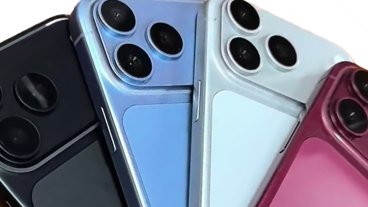
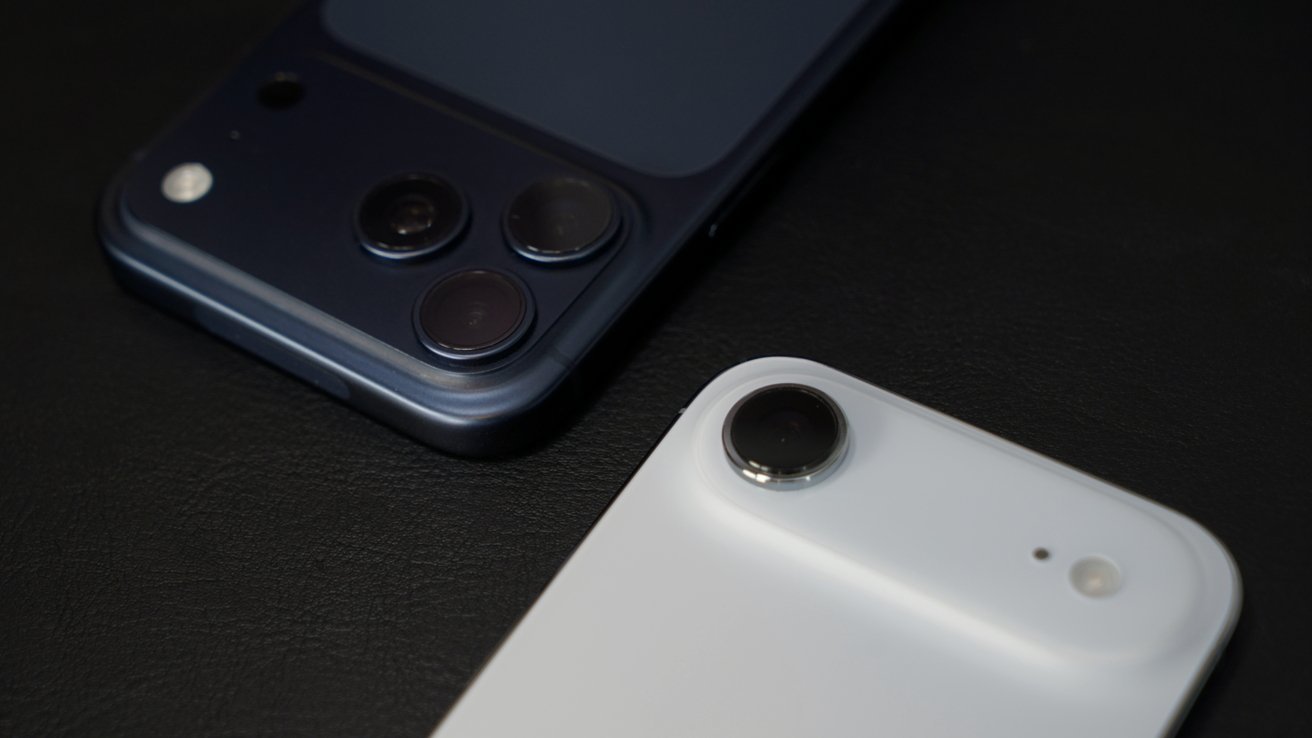
The cameras in the iPhone 18 Pro may be the first to gain a variable aperture camera, which could lead to even better image quality.
The rear cameras used in the iPhone use a fixed aperture size, but the 2026 releases may change that. A rumor claims that the iPhone 18 Pro and Pro Max will switch to using a camera system that has a variable aperture.
The latest claim stems from "industry sources" of ETNews on Wednesday. Apple has reportedly finalized its plan for the component, and that it is starting to arrange the manufacture of related parts.
There are three cameras on the back of the Pro models, but the variable aperture will only be used in the main camera. The Ultra Wide and Telephoto cameras will continue to have a fixed aperture for the moment.
Manufacturers for the new variable aperture camera are expected to be LG Innotek and Foxconn, with an actuator to drive the aperture movement supplied from Luxshare ICT and Sunny Optical.
A revived rumor
This is not a new story to the iPhone rumor mill. Variable aperture has previously cropped up in 2024, with a claim it would be introduced for the iPhone 17 family of smartphones.
However, while the July 2024 claim ultimately didn't bear fruit, the rumor persisted.
In November 2024, TF Securities analyst Ming-Chi Kuo said the wide-angle camera in the iPhone 18 Pro range will gain the variable aperture. He doubled down on the claim the following month in a discussion of multiple Apple rumors.
Variable aperture benefits
A variable aperture can have a profound effect on smartphone photography once implemented.
Typical smartphone cameras employ a fixed aperture, the actual hole that lets light through between the lenses and the sensor. A fixed sensor is generally used, since a variable aperture would require more physical space for the mechanism and motor.
A variable aperture can increase and decrease the size of the aperture, which changes how much light hits the sensor. This affects the exposure triangle, the principle that changes to the aperture, shutter speed, and sensitivity of the sensor can adjust how a shot is taken.

An example of computational photography blur or bokeh using an iPhone XR
Adjusting the aperture has the main effect of changing the visible depth of field of an image, with shutter speed and sensitivity adjusted appropriately to keep the shot balanced and correct.
A wider aperture equates to a shallower depth of field, namely keeping a subject in focus while blurring the background and foreground. A smaller aperture results in a much larger depth of field effect, with more elements in the picture being sharp and in focus instead of blurry.
Apple does currently work around the fixed aperture limitation by using multiple camera views and computational photography effects to create a blurry background, known as bokeh, for portraits. However, adjusting the aperture can result in creating a naturally focused image without any computational photography.
It can also have the byproduct of aiding computer vision systems. By changing the aperture and therefore the depth of field, a system could approximate distance by observing changes in blurriness of objects between two or more images.