We're not sure which took more bravery — GM not offering CarPlay in future vehicles in the face of consumer complaints about the first removal, or calling themselves "Jobsian" for doing so.
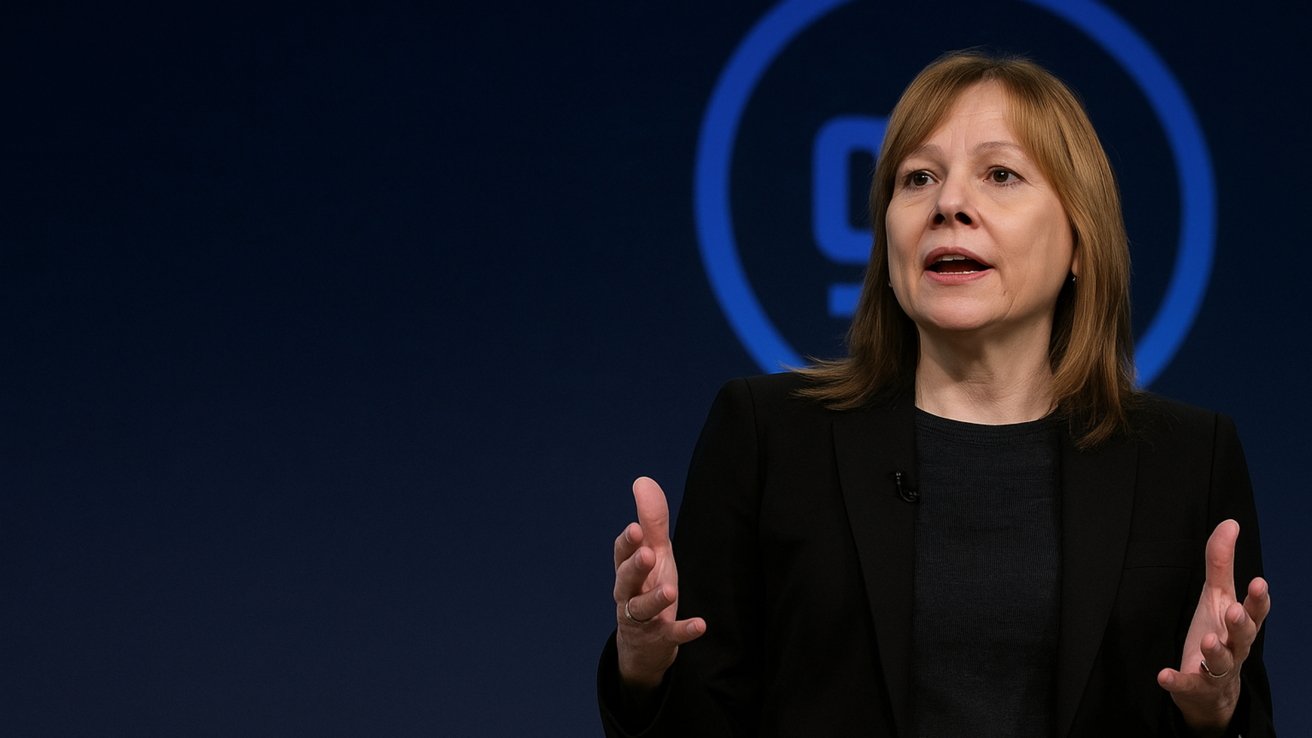
GM CEO Mary Barra told The Verge that the company will remove Apple CarPlay and Android Auto from all future vehicles, both gas and electric. The shift expands a 2023 policy that began with electric models into a company-wide strategy.
Barra said the rollout will follow each vehicle's refresh cycle and could take several years. GM aims to replace phone projection with its own infotainment platform that controls navigation, entertainment, and voice features.
GM says the transition won't happen overnight. Barra told Nilay Patel that the shift will follow each new vehicle's refresh cycle.
With more than 40 models across its lineup, the process could take several years. But once GM's next-generation computing platform arrives in 2028, the company expects its entire catalog to be free of Apple and Google's dashboard software.
That computing platform, GM says, will power a unified infotainment system that blends navigation, entertainment, and voice control. It's built on Android, but unlike Android Auto, it's a closed system designed and controlled by GM itself.
The automaker is also working with Google to integrate its new Gemini assistant for in-car voice commands. Ultimately, GM is making a move to own the digital relationship with its customers.
GM can attempt to manage software updates, data collection, and in-car purchases directly. The move allows it to keep control without sharing the ecosystem with Apple or Google.
More control, less convenience
That setup bypasses GM's software completely. Drivers could use Apple Maps, Spotify, or Messages without ever touching the built-in apps.
For years, that arrangement worked because it made everyone happy. Drivers got a familiar interface, and automakers could advertise smartphone compatibility.
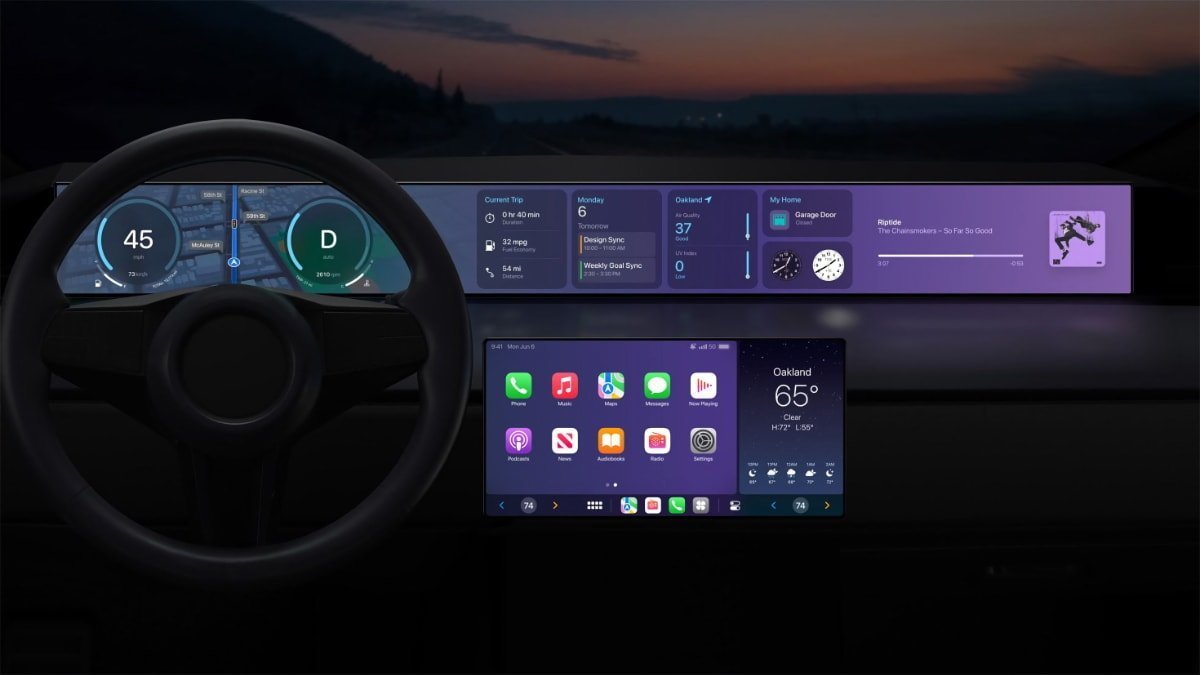
Apple's CarPlay Ultra system
Cars are turning into rolling computers, and that convenience has started to cut into automakers' plans. They want to sell connected services, subscriptions, and ads without losing drivers to phone-based systems.
GM's pivot makes financial sense, but it risks alienating customers who've grown used to their phones running the show. Apple's CarPlay, for instance, is available in roughly 80% of new vehicles sold in the U.S., according to data from S&P Global.
A terrible comparison to Steve Jobs
We had to read this a few times — GM execs compared their decision to a "Jobsian" moment — specifically, the removal of the floppy drive.
Jobs only cut features when he had something better to replace them with. In the floppy drive case, he specifically said that USB flash drives were adequate replacements on the low end, and Zip drives ubiquity with 50x the storage of a 3.5-inch floppy would fill the gap.
GM is removing CarPlay for a closed system that nobody asked for. They're removing it for a custom solution that's worse than what it's replacing, because they don't want Apple to have a toehold on the dashboard.
It's a gamble that GM is taking. It prioritizes long-term platform control over popularity and customer satisfaction.
Automakers are increasingly trying to build cars that are as much software platforms as they are vehicles. GM's latest move suggests it wants to follow this path, even if it means losing some Apple loyalists.
Barra's phrasing about the migration in the interview was careful and decisive.
"As we move forward with each new vehicle and major new vehicle launch," she said, "you're going to see us consistent on that."
Customer backlash and the EV precedent
GM faced backlash when it removed CarPlay and Android Auto from its 2024 electric models like the Chevrolet Blazer EV and Cadillac Lyriq. The move was anti-consumer and designed to trap drivers in a weaker — and more locked — software ecosystem made by GM.
Even longtime GM owners were unhappy about losing features they'd relied on for years. The company has stayed firm despite these complaints.
GM says its new infotainment system will include built-in apps for navigation, music, and messaging, and that it will support updates over the air. The company claims it can improve reliability, safety, and integration with its non-smartphone driver-assistance features.
That may be true, but the user experience remains unproven. If the software is slow, buggy, or missing key apps, customers after the first guinea pigs will take their frustrations out on sales.
Data is the new gas
Behind the technical language, the move is really about data. With CarPlay and Android Auto, Apple and Google control what information flows between the phone and the car.
GM's in-house system shifts the focus to data control. It lets the company collect analytics and sell its own digital services.
Industry analysts estimate connected car services could be worth tens of billions annually by 2030. Owning that pipeline is more valuable than simply selling hardware.
Barra's plan shows how automakers are thinking less like manufacturers and more like tech companies. The car isn't just a product anymore, but a platform.
History repeating
GM's timing is ironic. Automakers spent decades resisting smartphone integration because they wanted to keep control of their infotainment systems. CarPlay and Android Auto finally appeared in 2014 and 2015, and drivers embraced them for bypassing the clunky built-in software.
Now history seems to be repeating, but GM claims its approach is different this time. The company believes it can create a better integrated experience than any phone.
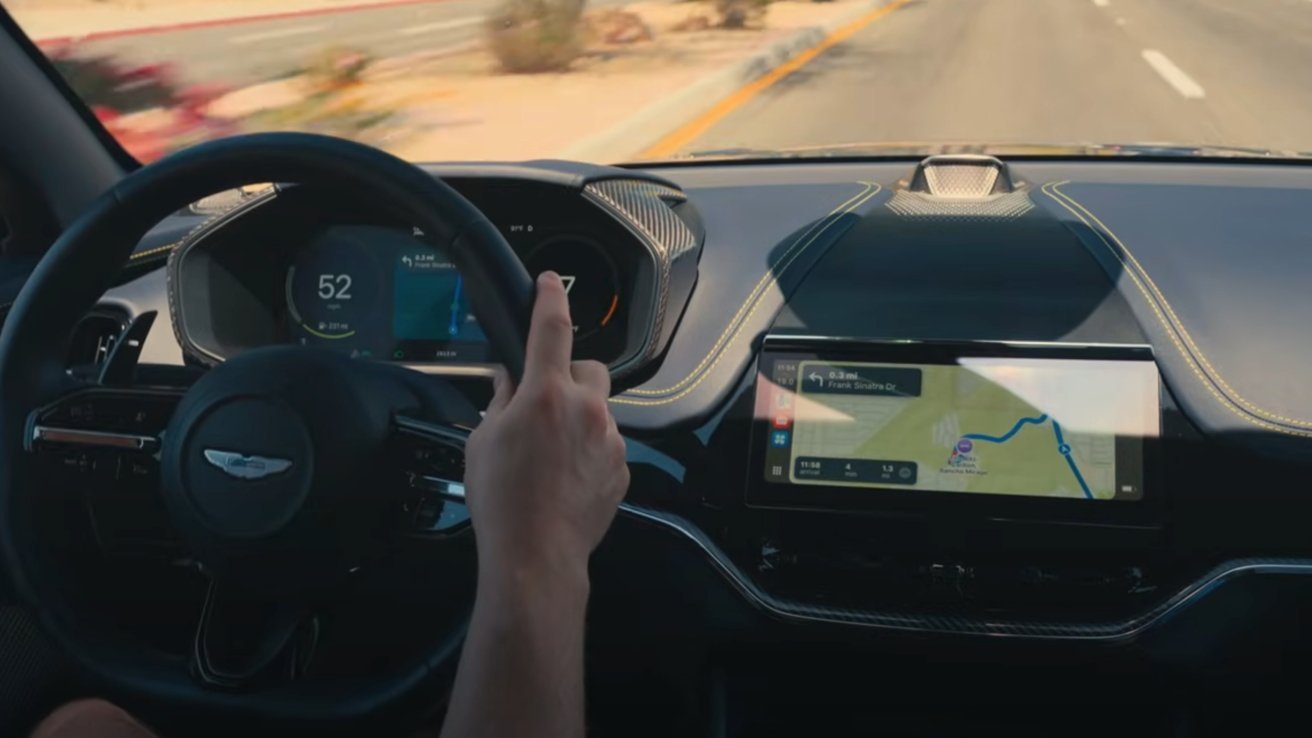
CarPlay Ultra in an Aston Martin - Image Credit: Top Gear/YouTube
Its system will feature a voice assistant that can handle tasks from navigation to climate control. Gemini integration from Google might help, but drivers will ultimately decide if giving up CarPlay is worth it.
The road ahead
GM plans to roll out a new centralized computing platform across electric and gas-powered vehicles, starting with the Cadillac Escalade IQ in 2028. The company will control every app, software update, and piece of data in its vehicles.
It believes this move is necessary to compete in a future where cars are as much about software as hardware. CarPlay and Android Auto are deeply integrated into how people drive, so removing them is risky.
GM faced backlash when it pulled smartphone projection from its recent electric models. The company promises builtin apps for navigation, music, and messaging, plus overtheair updates.
If the software is slow or missing key features, customers could get frustrated quickly. GM is betting that owning the entire digital experience will pay off in the long run.
In the end, GM's move is about rejecting Apple or Google and about redefining what a car company is in the connected age. It's a strategic gamble dressed as a software update.