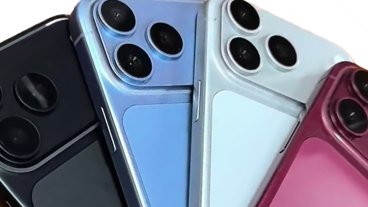
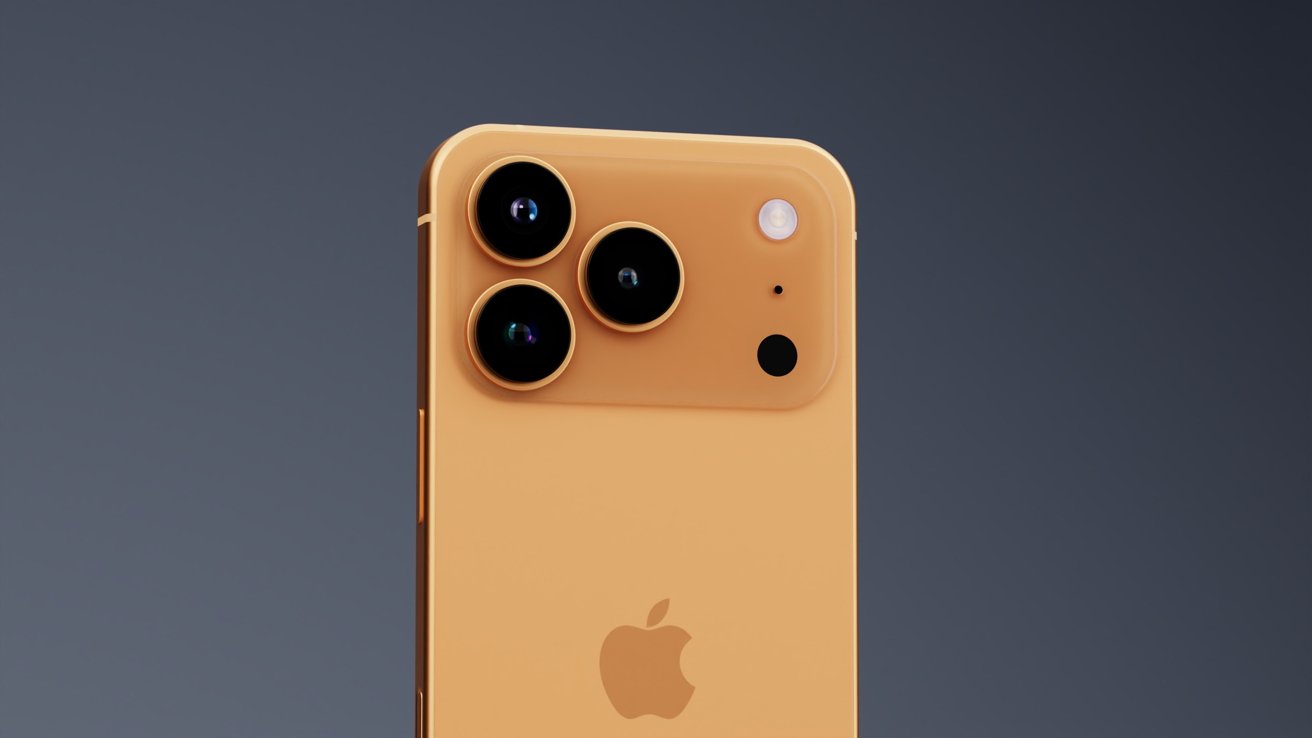
Apple's iPhone 20, rumored to debut for the 20th anniversary of the iPhone, is said to get even better image quality, thanks to a change in the tech used in camera sensors.
The 20th anniversary edition of the iPhone is expected to ship in 2027. As a special release, it should include many changes, including one that could dramatically improve picture quality.
According to sources of Naver leaker "Yeux1122" on Monday, Apple will be adding LOFIC technology to its cameras. The change will happen in 2027, coinciding with the 20th anniversary iPhone release.
Yeux1122 adds that Apple won't be alone in using LOFIC, as major Chinese smartphone makers such as Huawei and Xiaomi will be using it in their flagship models.
While Apple is thought to be using LOFIC with its own CMOS sensors, rival Samsung apparently doesn't have a set roadmap for its use. This could be a problem, as Samsung was said to be working on its own camera sensor to sell to Apple instead of the incumbent supplier Sony.
Apple has reportedly worked on its own camera sensor for a while, and allegedly created a prototype in August.
Sensor upgrade
LOFIC refers to a version of a CMOS sensor with Lateral Overflow Integration Capacitor technology. Specifically, it deals with the amount of light captured by each pixel, and does so in a much more efficient manner.
When a photodiode receives too much light, the overflow charge is stored in a capacitor within the same pixel. It effectively expands the range of light levels that can be recorded for a pixel.
In effect, it is much better at capturing details at both high light levels and low light levels, and maintaining details in each. This significantly improves the image quality of a photograph.
Typical HDR photography relies on exposing for low light and high light, then combining the results. Under LOFIC, this is done in the same shot, eliminating any artifacts caused by movements in multi-exposure shots.
The technology is applicable both to photography and videography. A LOFIC sensor could expand the dynamic range to 20 stops, the same level as a high-end cinema camera, versus the 13 stops of the current iPhone.